
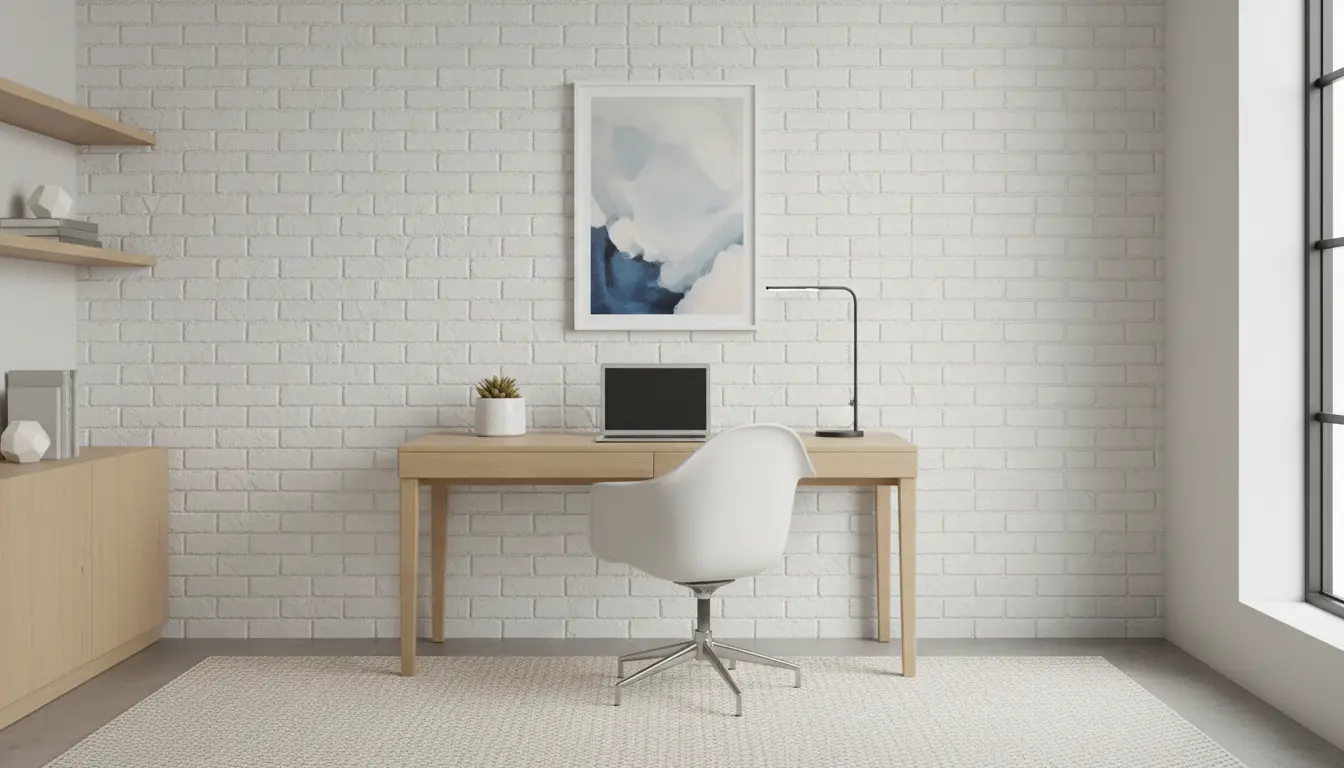
Setting up a focused home office requires attention to ergonomics, light, and workflow. This guide gives practical steps you can follow to create a reliable, comfortable workspace that supports daily productivity.
Home Office Setup Essentials
Before buying gear, define how you will use the space each day. Will you take video calls, do long stretches of focused work, or both?
Measure the room and pick a layout that keeps frequently used items within arm reach. A simple plan saves time and money when you shop for furniture and equipment.
Adjusting monitor height so the top of the screen is at eye level can reduce neck strain by up to 30 percent.
Ergonomic Desk and Chair in a Home Office Setup
Choose a desk height that allows your forearms to rest parallel to the floor when typing. If needed, use an adjustable desk or keyboard tray.
Invest in a chair with lumbar support and adjustable seat height. Proper posture reduces fatigue and helps you stay productive longer.
Monitor and Screen Placement for Better Focus
Place your monitor about an arm’s length away. The top of the screen should sit at or slightly below eye level to avoid tilting your head.
For dual monitors, angle them inward and set the primary display directly in front of you. This reduces constant head rotation and improves comfort.
Lighting, Sound, and Background
Good lighting reduces eye strain and makes video calls look professional. Use a mix of natural light and a task lamp with adjustable brightness.
Control background noise with soft materials like rugs and curtains. If noise is unavoidable, a quality noise cancelling headset can be a simple fix.
Video Call Background Tips
Keep the background uncluttered and well lit. Small plants or a simple bookshelf are suitable neutral backgrounds for most calls.
Organizing and Storage in Your Home Office Setup
Clutter interferes with focus. Adopt a storage system that separates daily essentials from reference materials you rarely use.
Use vertical storage to save floor space, and label boxes or binders for quick retrieval. A small filing cabinet or shelf can keep papers under control.
- Keep a single notepad for quick notes
- Use cable clips to prevent cord tangles
- Store backup chargers in a designated drawer
Tech and Connectivity for a Reliable Workspace
Fast, stable internet is the backbone of a modern home office setup. Position your router centrally or use a mesh system where signal is weak.
Back up work to cloud storage and use a UPS surge protector for essential hardware. Small investments protect time and data.
Essential Tech Checklist
- Reliable laptop or desktop with enough RAM for your tasks
- External monitor for multiwindow work
- Quality webcam and microphone for clear calls
- Fast internet with at least 25 Mbps upload for frequent video calls
Small Home Office Setup Case Study
Emma is a freelance designer who converted a spare closet into a compact home office. She prioritized a standing desk converter and an adjustable chair to manage long design sessions.
She added a monitor arm to free up desk space and installed LED task lighting. By using wall shelves and labeled boxes, she eliminated desktop clutter and cut time spent searching for materials.
Result: Emma reported a 20 percent increase in billable hours and fewer interruptions due to improved organization and better lighting.
Checklist: Quick Home Office Setup Steps
- Measure space and plan layout before buying furniture
- Choose an ergonomic chair and proper desk height
- Set monitor at eye level and 1 arm distance away
- Optimize lighting and reduce background noise
- Use vertical storage and label everything
- Ensure fast internet and reliable backups
Maintenance and Routine for Long Term Use
Schedule short breaks and a weekly tidy session. Small, regular habits keep the workspace functional and reduce the need for major overhauls.
Review your setup every three months. Replace worn items and tweak lighting or layout as your needs change.
Following these steps helps you build a home office setup that supports comfortable, efficient work. Start with the essentials, make incremental upgrades, and maintain a tidy, well lit environment for the best results.