
Why Home Composting Matters
Home composting reduces kitchen and yard waste while creating nutrient-rich material for soil. It lowers landfill volume and can improve garden health without buying fertilizer.
Starting a compost bin is a practical step that fits many living situations, from a small apartment to a backyard garden. This guide gives clear steps and troubleshooting tips so you can begin quickly.
Getting Started with Home Composting
Choose the right container for your space: a tumbler, a stationary bin, or a simple pile. Each option works; your choice depends on space, budget, and how much material you produce.
Location matters. Place the bin on soil or a shaded area with some airflow. Avoid direct sun if you want a slower, steadier process.
What You Need to Start a Home Compost Bin
- Compost bin or container (tumbler, plastic bin with holes, or a wooden pallet enclosure)
- Brown materials: dry leaves, shredded cardboard, straw
- Green materials: vegetable scraps, coffee grounds, fresh grass clippings
- Water source (to keep the pile moist)
- Pitchfork or turning tool
What to Compost: Home Composting Checklist
Balance is the key. Aim for a mix of carbon-rich browns and nitrogen-rich greens. A good starting ratio is roughly 3 parts brown to 1 part green by volume.
- Compostable greens: fruit and vegetable scraps, coffee grounds, tea bags (without staples)
- Compostable browns: dry leaves, shredded newspaper, cardboard, paper egg cartons
- Yard waste: grass clippings, small branches, plant trimmings
- Do not compost: meat, dairy, oils, diseased plants, pet feces
Step-by-Step: How to Build and Maintain Your Bin
Start with a base layer of coarse browns like small twigs for airflow. Add alternating layers of greens and browns. Keep layers thin to help microbes work efficiently.
Maintain moisture similar to a wrung-out sponge. If the pile is too dry, add water or greens. If it is too wet and smelly, add more browns and turn more often.
Turning and Aeration
Turn the pile every 1–2 weeks to introduce oxygen and speed up decomposition. A compost tumbler makes turning easier, but a fork works fine for stationary bins.
Aeration prevents anaerobic pockets that cause bad odors. If your compost smells rotten, it likely lacks oxygen or has too many greens.
Troubleshooting Common Problems in Home Composting
Problem: Bad smell. Solution: Add dry browns, turn the pile, reduce fresh food scraps temporarily.
Problem: Pests. Solution: Bury food scraps under browns, use a closed bin, avoid meat and greasy foods, secure lid.
Problem: Slow decomposition. Solution: Chop materials into smaller pieces, maintain moisture and heat, check balance of browns and greens.
Using Finished Compost
Compost is ready when it is dark, crumbly, and earthy-smelling. This can take 2 months to a year depending on method and conditions.
Use finished compost as a soil amendment, top dressing for lawns, or mixed into potting soil. It improves soil structure, moisture retention, and plant nutrition.
One household can divert hundreds of pounds of organic waste from landfills each year by composting kitchen scraps and yard waste.
Small Real-World Example: Case Study
Case: Sarah lives in a small city apartment with a balcony. She started a 10-gallon compost bin and used a mix of coffee grounds, vegetable peels, shredded paper, and dry leaves collected from a nearby park.
After six months of regular turning and moisture checks, Sarah produced several buckets of crumbly compost. She used it to pot herbs and noticed healthier growth and fewer watering needs.
Quick Tips for Successful Home Composting
- Chop or shred larger items to speed decomposition.
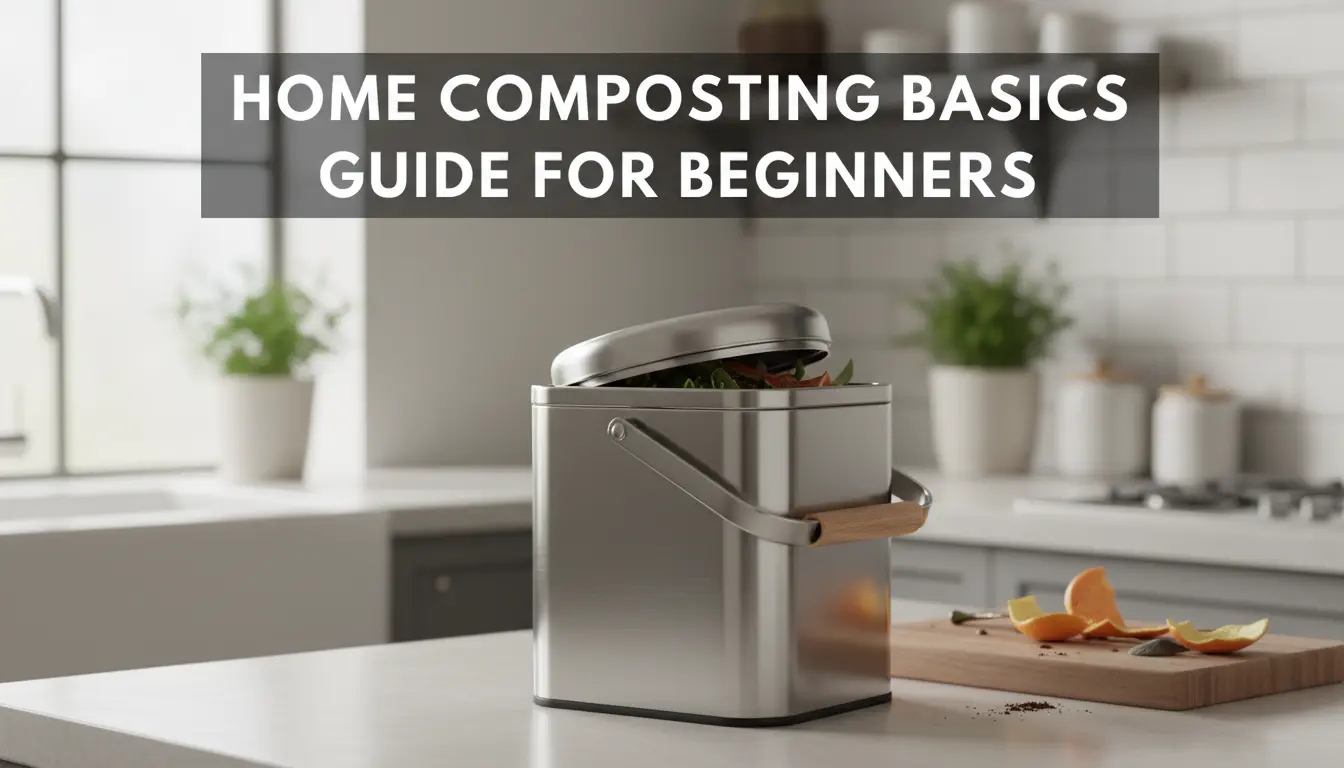
- Keep a small countertop pail with a tight lid to collect scraps and reduce flying insects.
- Monitor temperature: a hot center (120–150°F or 49–66°C) indicates active decomposition in larger piles.
- Use worm composting (vermicompost) indoors for apartments or small spaces.
Common Questions About Home Composting
How often should I add scraps? Add regularly but cover with browns after each addition to control smell and pests.
Can I compost citrus or onions? Small amounts are fine, but overuse can slow decomposition and attract pests. Mix them well with browns.
Final Checklist to Start Home Composting Today
- Choose a bin and place it in a shaded, accessible spot.
- Gather initial brown materials and a small amount of green materials.
- Layer materials, keep moisture balanced, and turn regularly.
- Watch for odors and pests and adjust the balance as needed.
With simple steps and regular attention, home composting becomes an easy routine that benefits your garden and the environment. Start small, learn by doing, and scale your system as you gain confidence.