
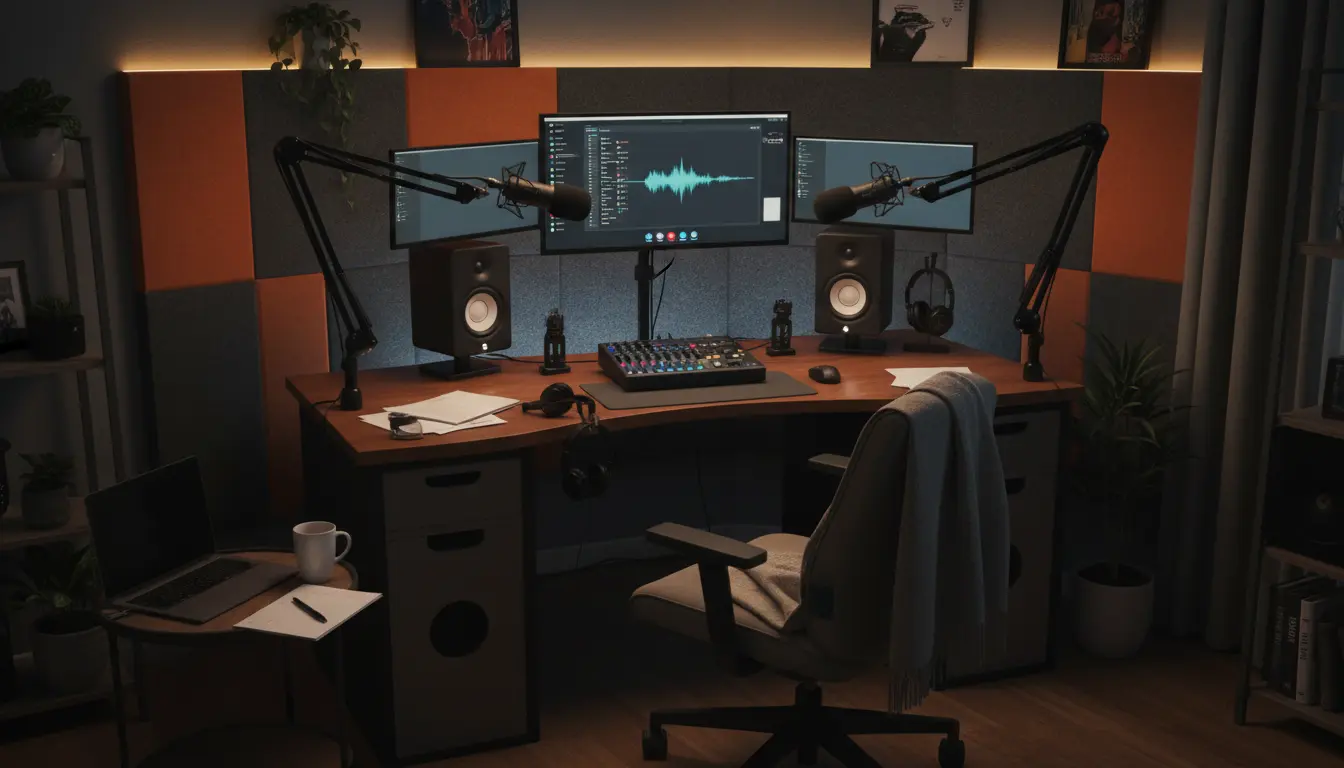
Starting a podcast can feel overwhelming, but a clear process makes it manageable. This guide walks you through planning, recording, editing, hosting, and promoting so you can start a podcast with confidence.
Why start a podcast and set clear goals
Before investing time or money, define why you want to start a podcast. Common goals include building authority, growing an audience, educating listeners, or supporting a business.
Clear goals shape your format, episode length, and promotion plan. Write one primary goal and two measurable outcomes to track progress.
Plan your show to start a podcast with focus
Planning reduces stress during production. Decide your niche, target audience, episode frequency, and format before recording the first episode.
Key planning items:
- Show name and short description that uses your main keyword.
- Episode length and frequency (e.g., 20–30 minutes weekly).
- Format: solo, co-hosted, interview, or narrative.
- Episode structure: intro, main content, segment transitions, and outro.
Choose a niche that grows your audience
Select a topic specific enough to stand out but broad enough to cover many episodes. Use simple keywords listeners might search for.
Example niches: local history interviews, beginner personal finance, or productivity for remote workers.
Equipment and software to start a podcast affordably
You do not need expensive gear to begin. A clear recording and simple editing workflow matter more than high-end equipment on day one.
Basic setup checklist:
- USB microphone (e.g., dynamic mic like the Audio-Technica ATR2100x) or a good condenser if recording in a treated room.
- Headphones to monitor audio while recording.
- Recording software: free options include Audacity or GarageBand; paid DAWs like Adobe Audition for advanced editing.
- Quiet room and a simple pop filter or foam cover to reduce plosives.
Recording tips for clear audio
Sit close to the mic, speak toward the capsule, and maintain a steady distance. Record a short clip and listen back to check levels and room noise.
Use a test recording to set input gain so the loudest parts stay below clipping. If recording remotely, consider a dedicated recording app like SquadCast or Zencastr.
Editing and post-production to start a podcast professionally
Editing makes your podcast easier to listen to. Focus on removing long pauses, obvious mistakes, and balancing audio levels across hosts and guests.
Simple editing workflow:
- Trim intro/outro and remove mistakes.
- Apply noise reduction if needed.
- Normalize and compress lightly for consistent volume.
- Export to MP3 at 128–192 kbps for spoken word.
Intro, outro, and music licensing
Create a short intro (10–20 seconds) that states the show name and value for listeners. Use royalty-free music or purchase a license to avoid copyright issues.
Keep your outro actionable: invite reviews, link to a website, and call to subscribe.
Choose hosting and submit to directories
Podcast hosts store your audio files and provide an RSS feed that directories read. Choose a host based on storage, bandwidth, analytics, and pricing.
Popular hosts include Libsyn, Podbean, Buzzsprout, and Anchor (free). After uploading your first episode, submit your RSS feed to Apple Podcasts, Spotify, Google Podcasts, and other directories.
Episode metadata and SEO
Use descriptive episode titles and show notes including keywords and timestamps. This helps discoverability and gives listeners context before they press play.
Include links to resources, guest names, and a brief summary in every episode description.
Promote your podcast to get the first listeners
Promotion increases initial traction. Start with your personal network and expand via social media, guest swaps, and repurposed clips.
Low-cost promotion ideas:
- Share short audio or video clips on social networks.
- Transcribe episodes for blog posts and SEO.
- Collaborate with related podcasters for guest swaps.
- Ask early listeners for ratings and reviews to help ranking.
Measure success with simple metrics
Track downloads per episode, listener retention, and where listeners find your show. Sales or leads are useful metrics if your podcast supports a business.
Set a 90-day growth goal like 500 downloads per episode or 50 email signups.
Real-world example: Local teacher launched a niche show
A middle school teacher launched a weekly 25-minute show about classroom tech. They used a USB mic and free editing software to keep costs low.
In six months they published 24 episodes, repurposed transcripts into blog posts, and reached 3,200 downloads. Local parents and educators began sharing the show, leading to speaking invitations and a small sponsorship.
Common mistakes when you start a podcast and how to avoid them
- Publishing irregularly — set a realistic schedule and batch-produce episodes when possible.
- Over-polishing early episodes — aim for improvement, but launch with usable quality to gather feedback.
- Ignoring show notes — detailed notes improve SEO and listener experience.
Starting a podcast is a step-by-step project. With clear goals, affordable gear, a simple publishing routine, and basic promotion, you can produce a show listeners enjoy. Focus on consistency and gradual improvement rather than perfection.