
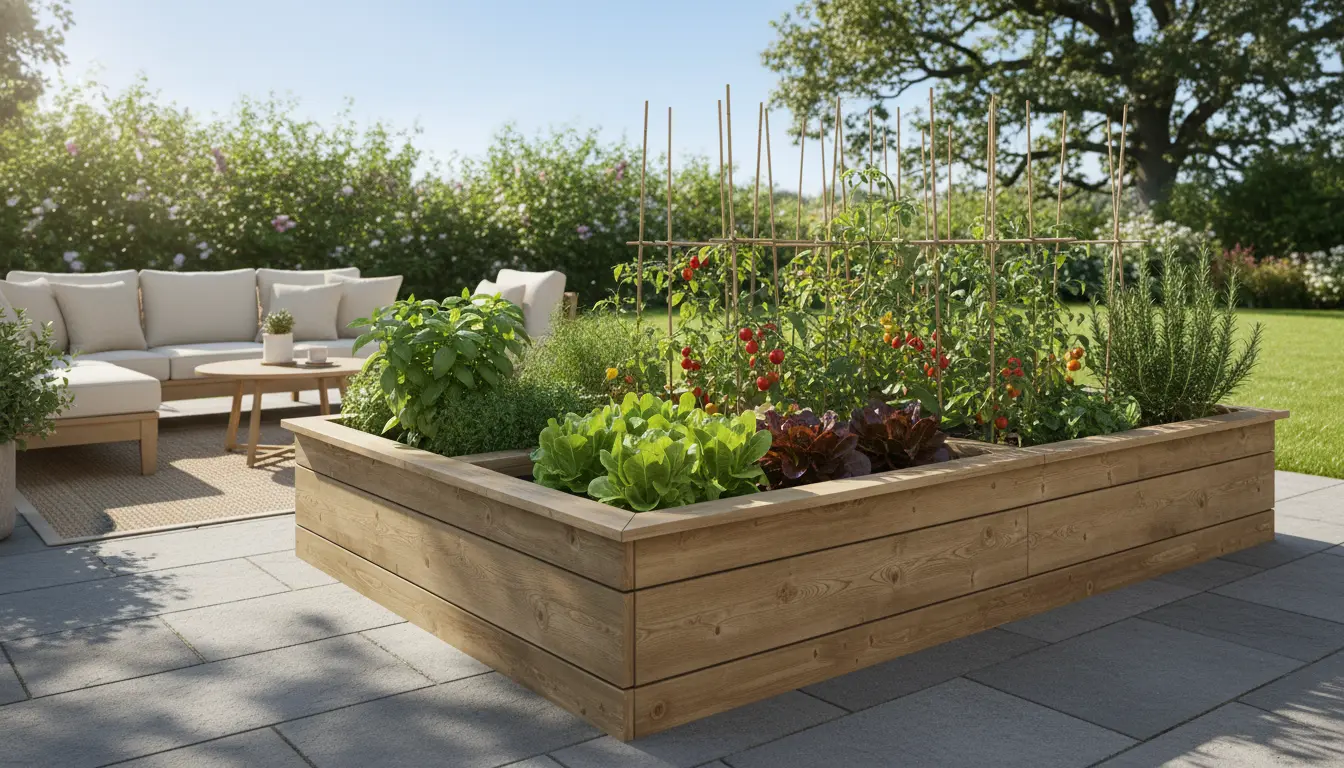
Why start a small vegetable garden
Growing vegetables in a small space is a practical way to eat fresher food and reduce grocery costs. A small vegetable garden fits balconies, patios, or a few square meters of yard and suits beginners well.
This guide focuses on simple, repeatable steps to plan, plant, and maintain a successful small vegetable garden. Follow these instructions to get results without heavy tools or prior experience.
Planning your small vegetable garden
Good planning saves time and prevents common mistakes. Begin by assessing light, space, and water access where you want to place your garden.
List what you want to grow and choose varieties that match your climate and space. Prioritize fast, productive, and low-maintenance crops for your first season.
Choose the right location for a small vegetable garden
Most vegetables need 6 to 8 hours of direct sunlight. Choose a spot that gets morning sun and stays relatively sheltered from strong winds.
Ensure easy access to water and avoid locations where runoff collects or frost pockets form. If ground soil is poor, raised beds or containers are excellent alternatives.
Select vegetables for beginners
Start with vegetables that are forgiving and productive in small spaces. Good options include lettuce, spinach, radishes, bush beans, cherry tomatoes, and herbs.
- Lettuce and spinach: quick harvests, great for containers.
- Radishes: fastest crop, ready in 3–4 weeks.
- Bush beans: compact plants with steady yields.
- Cherry tomatoes: space-efficient and high-producing.
- Herbs (basil, parsley): useful and low-maintenance.
Step-by-step setup for a small vegetable garden
Set up your garden with these clear steps. Each step keeps the project manageable and scalable.
- Measure the space: Note width, length, and sunlight hours.
- Decide container or bed: Use a raised bed, large pots, or plastic troughs for tight areas.
- Prepare soil mix: Use a blend of topsoil, compost, and a light bagged potting mix to ensure drainage and nutrients.
- Plan plant layout: Sow quick crops between slower-growing plants to maximize yield per square foot.
- Install irrigation: A simple watering can or drip irrigation line keeps moisture consistent without overwatering.
Spacing and depth differ by crop: read seed packet instructions and use compact or patio varieties where available.
Care and maintenance for your small vegetable garden
Regular, short maintenance sessions are better than infrequent long ones. Aim for three to five minutes daily inspection and a longer weekly session.
Watering and soil health
Water in the morning to reduce leaf disease and evaporation. Check soil moisture by sticking a finger 2 inches into the soil; water when it feels dry at that depth.
Add 1–2 inches of mulch around plants to retain moisture and suppress weeds. Feed with balanced organic fertilizer or compost every 3–4 weeks during the growing season.
Pest control and disease
Use physical barriers like row cover or mesh for small gardens. Handpick pests when practical and encourage beneficial insects by planting flowers and herbs nearby.
Rotate crops each season if using the ground to lower disease build-up. Remove diseased leaves promptly and avoid overhead watering to reduce fungal problems.
Harvesting and succession planting in a small vegetable garden
Harvest frequently to encourage more production, especially for lettuce, beans, and herbs. Pick tomatoes when they are fully colored and slightly soft to the touch.
Practice succession planting: after a quick crop like radishes, sow another round of seeds to keep harvests steady throughout the season.
Small vegetable garden example
Case study: A small urban balcony (2 x 3 meters) hosted a raised wooden bed and three large pots. The gardener planted cherry tomatoes, basil, lettuce, and radishes.
With morning sun and weekly compost feeding, the balcony produced salad greens every week and 15–20 cherry tomatoes weekly during peak summer. Pests were controlled by handpicking and adding a small insect net for early-season protection.
Practical tips and checklist for a small vegetable garden
Keep a simple checklist to stay organized. Small, consistent efforts lead to steady success.
- Check sunlight and water access before planting.
- Choose compact or determinate varieties for limited space.
- Use good-quality soil and add compost regularly.
- Set a routine: water in mornings and inspect plants daily.
- Harvest often and plan succession plantings.
Final steps to get started
Begin with one or two containers to learn basic care, then expand as confidence grows. Small successes build valuable experience for larger projects later.
With clear planning, suitable plant choices, and short daily care, a small vegetable garden will reward you with fresh produce and useful gardening skills.