
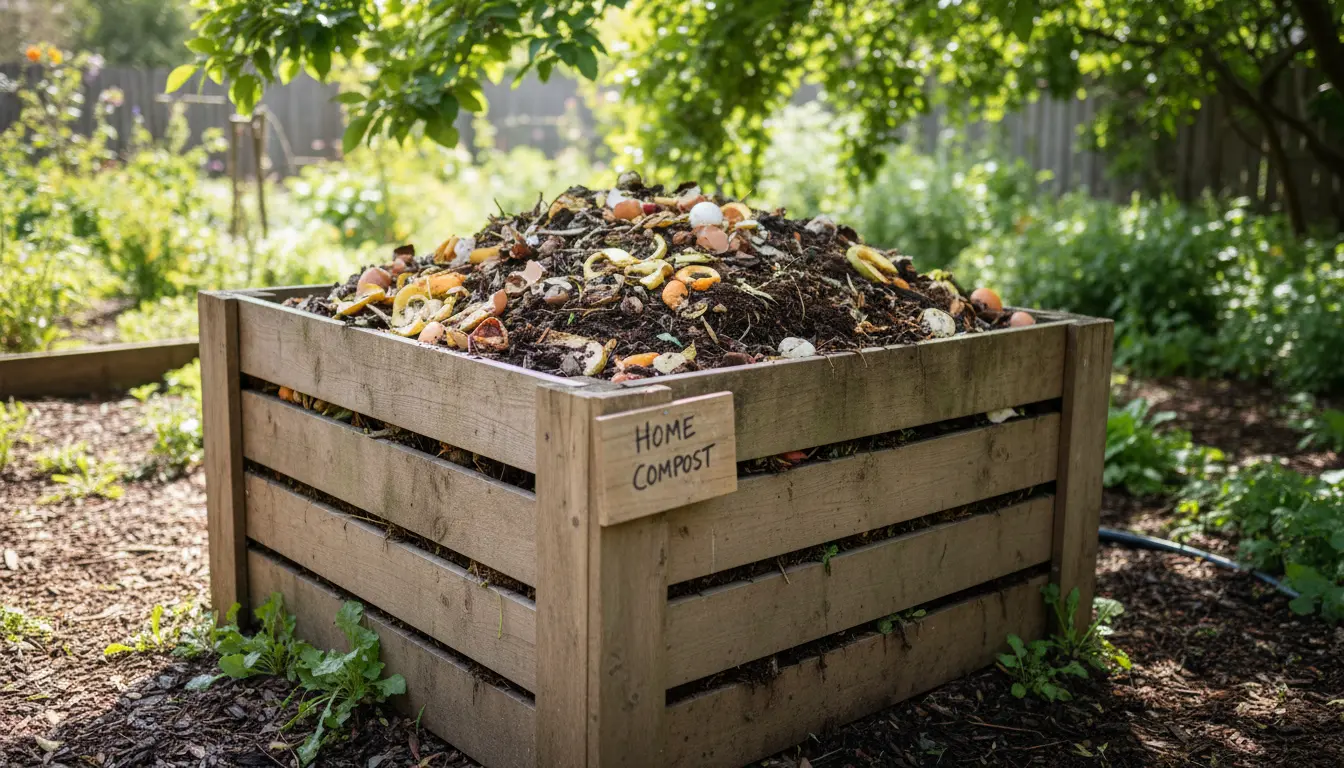
Home Composting for Beginners Practical Guide
Home composting is a simple way to turn kitchen scraps and yard waste into rich soil. This guide gives step-by-step, practical advice for beginners who want reliable results without complicated equipment.
Why Choose Home Composting for Beginners
Composting reduces waste, lowers trash costs, and improves garden soil. For first-timers, the process can be low-effort and effective if you follow a few basic rules.
Getting Started With Home Composting for Beginners
Start by choosing a method that fits your space and lifestyle. Common options include a backyard bin, a tumbler, or a simple heap. Indoor bokashi or worm bins work well for apartments.
Choose the Right Location
Pick a spot that is convenient to access and has partial shade. A level area with good drainage prevents waterlogging and odors.
Choose the Right Container
Containers vary by size, airflow, and turning needs. For most beginners, a basic 3-bin system or a secure tumbler is ideal. Worm bins are best for small, indoor kitchens.
Basic Principles Every Home Composting Beginner Should Know
Composting breaks down organic matter through microbes and worms. The two most important variables are carbon to nitrogen balance and moisture.
- Carbon-rich materials (browns): dry leaves, straw, cardboard, paper.
- Nitrogen-rich materials (greens): kitchen scraps, fresh grass clippings, coffee grounds.
- Ideal ratio: about 25–30 parts carbon to 1 part nitrogen by weight; aim for a visible mix of browns and greens.
How to Layer Materials
Start with coarse browns at the bottom for airflow. Add a 2–3 inch layer of greens, then cover with browns. Repeat layers rather than dumping one type at a time.
Step-by-Step Composting Process
Follow these steps to build an active compost pile that heats and decomposes faster.
- Lay a base of coarse browns for drainage and airflow.
- Add a balanced mix of greens and browns in layers.
- Aim for a pile size of at least 3 feet wide by 3 feet high for good heat retention.
- Keep the pile moist like a wrung-out sponge; water lightly if dry.
- Turn the pile every 1–2 weeks to add oxygen and speed decomposition.
Temperature and Timing
Active compost can reach 120–160°F (50–70°C) when properly balanced. At these temperatures, pathogens and seeds break down. Cooler piles still compost but take longer—often 3–12 months.
Common Problems and Solutions for Home Composting Beginners
New composters often face odors, pests, or slow decomposition. Most issues are solvable with simple fixes.
- Bad smell: Add more browns and turn the pile. Ensure proper drainage and airflow.
- Pests: Avoid adding meat, dairy, oily foods, and large chunks of food. Use a closed bin or bury scraps deeper.
- Slow breakdown: Chop materials into smaller pieces and maintain moisture and turning schedule.
What Not to Compost
Do not add meat, bones, dairy, diseased plants, or pet waste from carnivores. These items attract pests or can introduce pathogens.
A typical household can divert 20–30% of its trash by composting food scraps and yard waste. That can significantly reduce landfill waste and cut your garbage bills.
Using Finished Compost
Finished compost is dark, crumbly, and smells earthy. Screen it if desired, then mix it into garden beds, use as a potting mix amendment, or top-dress lawns and houseplants.
Application Rates
For garden beds, mix 1–3 inches of compost into the top 6–8 inches of soil. For containers, blend up to 25% compost with potting mix.
Small Real-World Case Study
Case: Sarah, a small urban gardener, started composting in a 20-gallon tumbling bin. She added kitchen scraps and shredded newspaper in a 1:2 (greens:browns) volume ratio. By turning the tumbler twice a week and keeping the bin moist, she produced usable compost in about four months.
Results: Sarah reduced her trash volume by half and used the compost to improve two raised beds, increasing vegetable yields the following season.
Quick Checklist for Home Composting Beginners
- Choose a container that fits space and lifestyle.
- Balance greens and browns; shred or chop large pieces.
- Keep the pile moist but not soggy.
- Turn regularly for faster results.
- Avoid meat, dairy, and pet waste.
Final Tips for Home Composting for Beginners
Start small and refine your method. Composting is forgiving—small adjustments quickly solve issues. Track what you add and how the pile responds to learn what works best for your climate and materials.
With consistent, simple care, beginners can produce valuable compost and reduce household waste within a few months.