
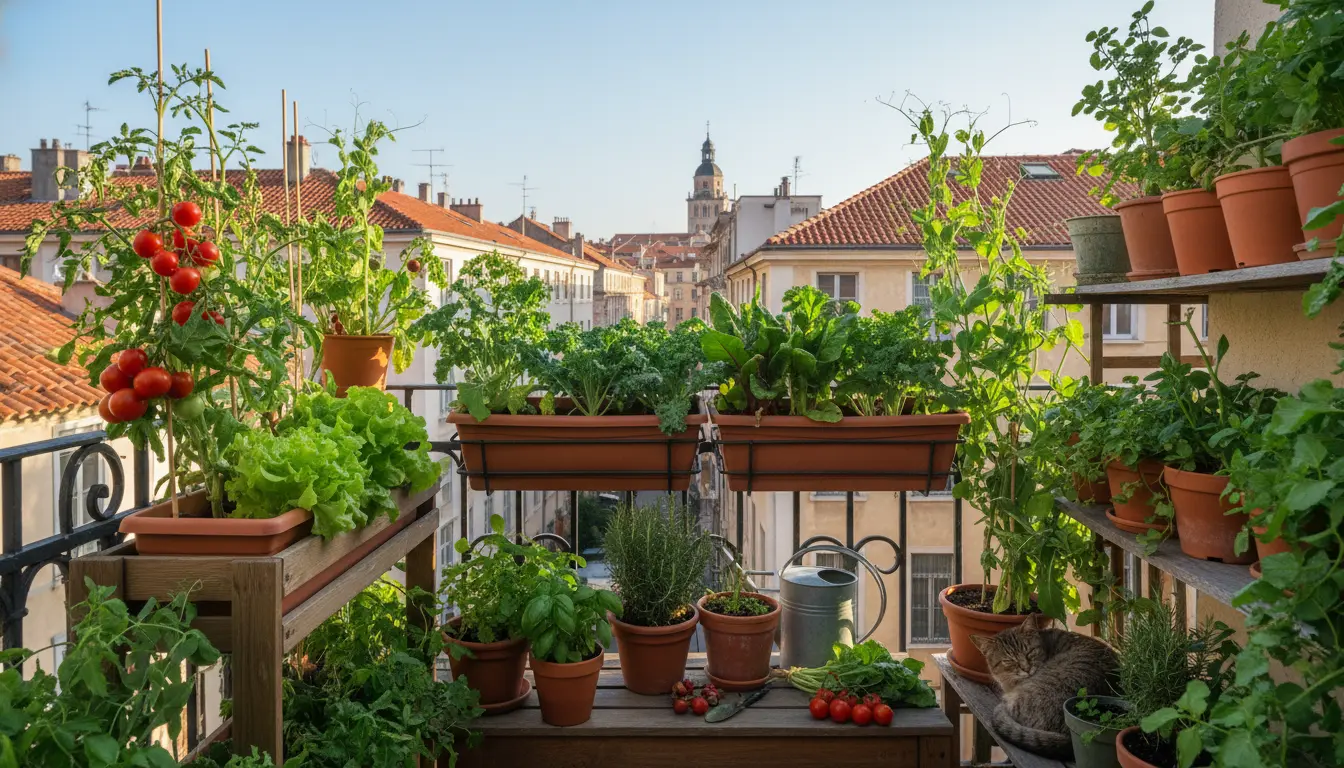
Why start a small vegetable garden
Starting a small vegetable garden gives you fresh produce, saves money, and connects you to seasonal rhythms. You do not need a large yard to get started; thoughtful planning and the right containers or a small raised bed are enough.
How to start a small vegetable garden: Plan your space
Measure available sunlight and space before choosing plants. Most vegetables need 6 or more hours of direct sun, so map areas that meet this requirement.
Decide between in-ground, raised beds, or containers based on soil quality and mobility needs. Containers are ideal for balconies and patios, while raised beds work well for small yards.
Choose what to grow when you start a small vegetable garden
Pick a few easy, high-reward crops to begin: lettuce, radishes, herbs, cherry tomatoes, and bush beans are forgiving choices. Focus on plants you and your household will eat to keep motivation high.
Consider succession planting to keep harvests steady: sow salad greens every 2–3 weeks for continuous picking. This approach maximizes a small space and reduces waste.
How to start a small vegetable garden: Prepare soil and containers
Healthy soil is the foundation. Use a mix of high-quality compost and well-draining potting soil for containers, or amend existing soil with compost and organic matter for beds.
Choose containers with drainage holes and at least 12 inches depth for most vegetables. Larger containers retain moisture better and support bigger root systems.
Soil mix example for containers
- 40% premium potting soil
- 40% compost
- 20% perlite or coarse sand for drainage
This blend balances nutrients, water retention, and aeration for small garden systems.
How to start a small vegetable garden: Planting and timing
Follow local frost dates to schedule planting. Start seeds indoors for warm-season crops or sow directly for cool-season vegetables like radishes and spinach.
Label rows or containers and keep a simple planting calendar. Note planting dates, variety names, and expected harvest windows to plan replacements and succession crops.
Example planting schedule
- Early spring: peas, spinach, radishes
- Late spring: tomatoes, basil, peppers (after last frost)
- Late summer: sow quick crops like lettuce for fall harvest
How to start a small vegetable garden: Watering and feeding
Water consistently rather than sporadically; small containers dry out quickly. Aim to keep soil evenly moist but not waterlogged.
Use a balanced organic fertilizer at planting and side-dress with compost mid-season. Slow-release granular fertilizers or weekly liquid feeds work well for containers.
Practical watering tips
- Water in the morning to reduce disease risk.
- Use drip irrigation or a soaker hose for beds to save water.
- Mulch containers and beds to retain moisture and suppress weeds.
How to start a small vegetable garden: Pest and disease basics
Prevent problems with good hygiene: remove old foliage, rotate crops, and avoid overcrowding. Healthy plants resist pests and disease more effectively.
Use physical barriers like row covers for seedlings and hand-pick larger pests where possible. Introduce beneficial insects and use soap sprays or organic controls as needed.
How to start a small vegetable garden: Harvesting and storage
Harvest early in the morning when produce is cool to maximize flavor and shelf life. Pick crops at peak maturity to encourage further production, especially with leafy greens and beans.
Store root crops in a cool, dark place and refrigerate tender greens promptly. Preserve excess harvest by freezing, pickling, or drying to extend benefits beyond the season.
Small real-world example
Case study: Maria, a city balcony gardener, used four 12-inch containers and two 18-inch planters to grow cherry tomatoes, basil, lettuce, and radishes. She followed a simple soil mix, watered daily in summer mornings, and used compost tea monthly.
By the end of the season she harvested weekly salads and 15 pounds of cherry tomatoes, reducing her grocery spending on produce and sharing extras with neighbors.
Quick checklist to start a small vegetable garden
- Assess sun exposure and pick a sunny site.
- Decide containers vs raised bed and prepare soil blend.
- Choose 4–6 beginner-friendly crops suited to your climate.
- Plant according to frost dates and stagger sowings.
- Water consistently, mulch, and feed with compost or organic fertilizer.
- Monitor pests and harvest regularly for best yields.
Final tips for success when you start a small vegetable garden
Keep records and adjust year to year; small gardens benefit from incremental improvements. Start small, learn one season at a time, and scale up as experience and confidence grow.
With simple planning and regular care you can reliably grow meaningful amounts of fresh vegetables, even in limited space.