
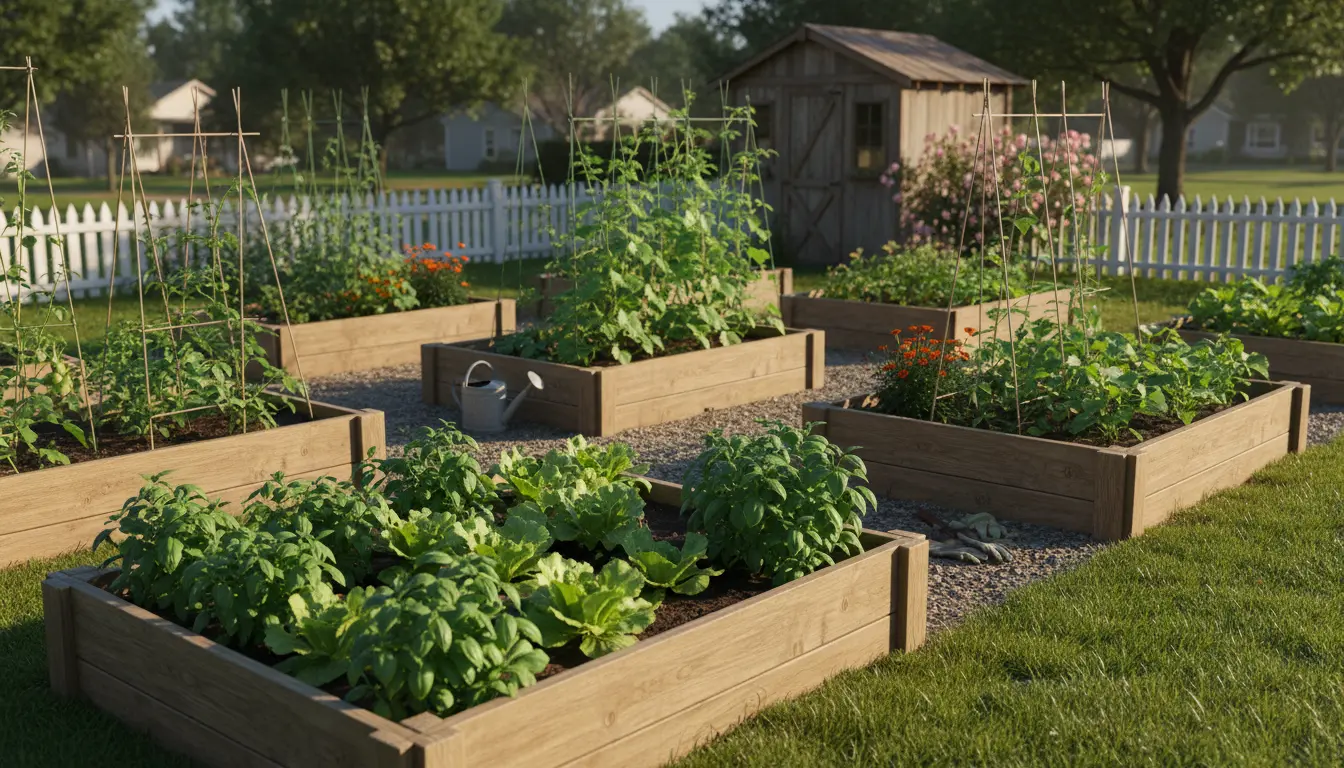
Why Start a Vegetable Garden
Growing your own vegetables saves money and improves eating quality. A small garden can supply fresh produce through the season with manageable effort.
This guide explains how to start a vegetable garden with practical steps you can follow today.
Plan Your Vegetable Garden
Planning is the first step to success. Choose a location, decide garden type, and select vegetables that match your climate and taste.
Consider sunlight, water access, and space. Most vegetables need at least six hours of direct sun each day.
Choose the Right Location for Your Vegetable Garden
Pick a flat, open area with good drainage. Avoid low spots where water pools after rain.
If yard space is limited, use raised beds or containers on a balcony or patio.
Decide What to Grow in Your Vegetable Garden
Start with easy crops like lettuce, radishes, tomatoes, and herbs. These provide quick rewards and teach basic care.
- Leafy greens: lettuce, spinach, kale
- Root vegetables: carrots, radishes, beets
- Fruit-bearing: tomatoes, peppers, cucumbers
- Herbs: basil, parsley, chives
Prepare Soil for Your Vegetable Garden
Good soil is the foundation of a productive vegetable garden. Test, amend, and loosen soil before planting.
Perform a simple soil test for pH and basic nutrients using a store kit or local extension service.
Improve Soil Quality
Add organic matter like compost or well-rotted manure to improve structure and fertility. Mix it into the top 6 to 8 inches of soil.
For heavy clay soil, add compost and coarse sand for better drainage. For sandy soil, add compost and organic mulches to increase water retention.
Raised Beds and Containers
Raised beds warm earlier and drain well. Use a mix of topsoil and compost for beds. Containers should have quality potting mix and drainage holes.
- Raised beds: good for poor native soil
- Containers: ideal for patios and balconies
- Cold frames: extend the season in cooler climates
Planting and Care for Your Vegetable Garden
Plant at the right time and provide consistent care. Follow spacing and depth instructions on seed packets or plant tags.
Water regularly, especially during germination and fruiting stages.
Watering and Mulching
Water deeply and less often to develop strong roots. Early morning watering reduces evaporation and disease risk.
Mulch with straw, wood chips, or shredded leaves to retain moisture and suppress weeds.
Pest and Disease Management in Your Vegetable Garden
Inspect plants weekly for pests and signs of disease. Use physical controls first, such as handpicking, row covers, and barrier traps.
Introduce beneficial insects and rotate crops each year to reduce pest buildup.
Maintenance Tasks for a Healthy Vegetable Garden
Routine tasks keep the garden productive: weeding, pruning, staking, and feeding plants as needed.
Keep a simple garden calendar with planting dates, fertilization, and harvest windows for each crop.
- Weed regularly to reduce competition for nutrients
- Stake tall plants like tomatoes and peas early
- Feed with balanced organic fertilizer during the growing season
Did You Know? A single tomato plant can yield 10 to 30 pounds of fruit over a season when well cared for. Healthy soil microbes improve nutrient availability and plant resilience.
Harvesting and Storage from Your Vegetable Garden
Harvest vegetables at peak ripeness for best flavor and nutrition. Frequent harvesting of lettuces and herbs encourages more growth.
Store produce properly: cool root crops, refrigerate leafy greens, and dry or can excess harvests for long-term use.
Simple Preservation Methods
Blanch and freeze vegetables, make pickles, or dehydrate herbs to extend the harvest. These methods require minimal equipment.
Small Real-World Case Study
Case Study: Anna, a busy teacher, created a 4×8 raised bed and started with lettuce, tomatoes, and basil. She used compost from her town’s recycling program and planted seedlings in early spring.
By following a simple watering schedule and mulching, Anna harvested fresh salad greens within six weeks and had a steady tomato crop by mid-summer. Her garden cut grocery bills and provided a learning hobby for her kids.
Quick Checklist to Start a Vegetable Garden
- Choose location with 6+ hours sun
- Select beginner-friendly vegetables
- Test and improve soil with compost
- Plant at correct depth and spacing
- Water deeply, mulch, and monitor pests
Final Tips for New Vegetable Gardeners
Start small and expand as you gain confidence. Keep notes on what works in your microclimate and adjust next season.
Learning by doing is the best approach. With simple planning and steady care, you can grow reliable, delicious vegetables at home.