
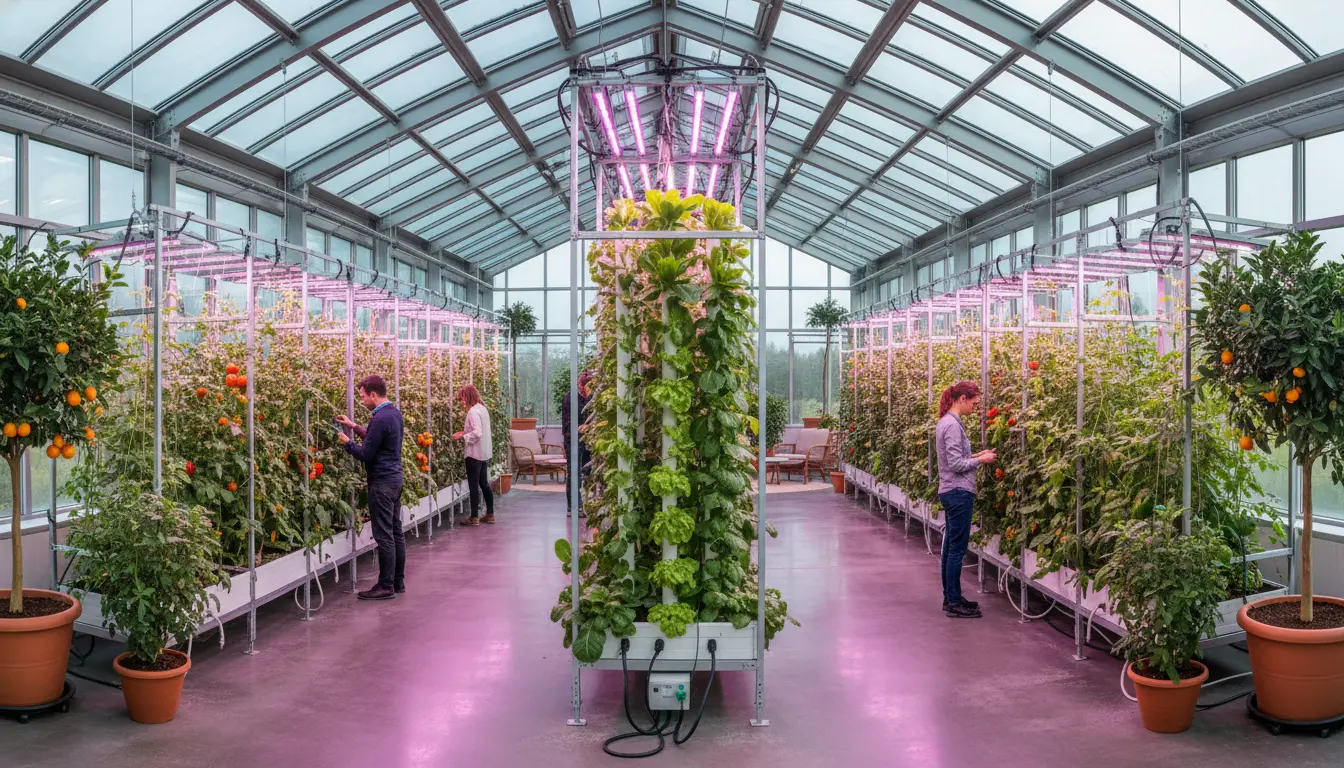
Why indoor vegetable gardening for small spaces works
Indoor vegetable gardening for small spaces is a practical way to grow fresh food in apartments, balconies, and tiny homes. It saves money, reduces food waste, and gives reliable access to herbs and salad greens year-round.
With the right planning, most people can harvest useful yields from a few pots or a narrow windowsill. This guide focuses on low-cost, repeatable steps you can follow today.
Planning your indoor vegetable garden for small spaces
Start by evaluating light, space, and goals. Light is the main limiting factor for indoor plants, so measure available hours and direction of sunlight. South- or west-facing windows give the best natural light.
Decide whether you want continuous harvest (herbs, salad greens) or occasional larger crops (dwarf tomatoes, peppers). That choice affects container size and care requirements.
Best vegetables for small spaces
- Leafy greens: lettuce, spinach, arugula — fast and reliable.
- Herbs: basil, parsley, chives — compact and productive.
- Compact fruiting plants: dwarf tomatoes, small pepper varieties, baby cucumbers.
- Root crops: radishes and baby carrots — need shallow deep pots respectively.
Choose containers and soil
Use containers with good drainage to prevent root rot. Options include plastic pots, fabric grow bags, or recycled buckets with drainage holes. Size matters: deeper pots for roots, wider pots for spreading plants.
Use a light, well-draining potting mix formulated for vegetables. Avoid garden soil, which compacts in containers and reduces oxygen to roots.
Light and artificial lighting for indoor vegetable gardening
If natural light is limited, supplement with LED grow lights. Full-spectrum LEDs are energy-efficient and suitable for both seedlings and mature plants.
Position lights 6–12 inches above the canopy for seedlings and 12–18 inches for larger plants. Use a timer to provide 12–16 hours of light daily for most vegetables.
Watering and feeding
Containers dry out faster than garden beds, so check moisture daily. Stick a finger 1–2 inches into the soil; water when the top layer is dry but the soil below feels slightly moist.
Feed with a balanced liquid fertilizer every 2–4 weeks or use slow-release granules following the label. Overfeeding causes leggy growth or salt buildup, so follow recommended dosages.
Pest control and maintenance in small spaces
Indoor gardens have fewer pests, but aphids, whiteflies, and fungus gnats can appear. Inspect plants weekly and remove damaged leaves promptly.
- Use sticky traps for flying pests.
- Rinse leaves with water or apply insecticidal soap for small infestations.
- Improve air circulation with a small fan to deter fungal problems.
Crop rotation and succession planting
Plan for succession planting to maintain a steady harvest. Sow quick crops like salad greens every 2–3 weeks. Replace tired plants with new seedlings to maximize small-space productivity.
Microgreens can be harvested in 7–14 days and provide a high yield per square foot, making them ideal for indoor vegetable gardening for small spaces.
Practical setup checklist for indoor vegetable gardening
Follow this checklist to set up quickly and reduce mistakes. Keep your shopping focused and start small to learn the process.
- Measure light hours and window orientation.
- Choose 2–4 container sizes depending on crops.
- Buy quality potting mix and slow-release fertilizer.
- Consider one LED grow light if natural light is insufficient.
- Set a watering and feeding schedule.
Small real-world example: Balcony basil and lettuce case study
A tenant in a city apartment turned a 3-foot balcony into a continuous salad station. They used two 12-inch pots for basil and a shallow tray for lettuce and microgreens. With 6 hours of afternoon sun and a 24W LED light during winter, they harvested fresh basil weekly and lettuce every 3–4 weeks.
They saved time by using self-watering inserts and switched to seedlings in spring to avoid the slow germination period. Yield was enough for 2 people to have fresh salads 3–4 times a week.
Common mistakes and how to avoid them
Beginners often overwater, choose the wrong container size, or ignore light needs. Prevent these by following the checklist and observing plants daily.
- Avoid garden soil in pots; use potting mix.
- Don’t crowd plants — give each crop its recommended spacing.
- Adjust light height as plants grow to avoid burning leaves.
Conclusion: Keep indoor vegetable gardening for small spaces simple
Start with easy crops, use proper containers and soil, and monitor light and water. Small, consistent steps lead to reliable harvests without a big time commitment.
With minimal investment, you can enjoy fresh, homegrown vegetables even in the smallest living spaces.