
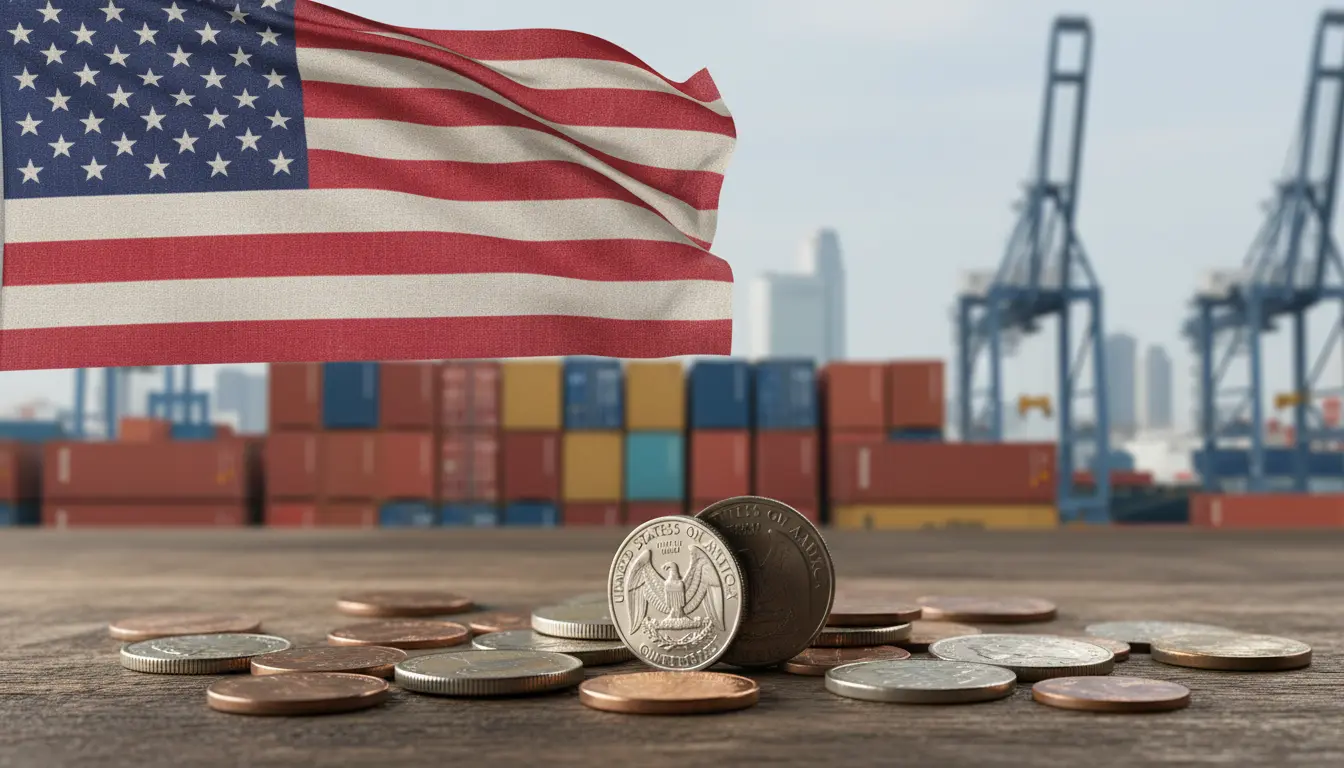
Debate around a possible 2000 stimulus payment in 2026 has resurfaced alongside proposals for new tariffs in former President Trump’s economic agenda. This article explains how the tariff plan could be linked to a one-time payment, the realistic fiscal effects, and practical steps households can take to prepare.
Overview of the 2000 Stimulus in 2026 and Trump’s Tariff Plan
The core idea some lawmakers discuss is to use tariff revenue as a funding source for a one-time stimulus payment of 2000 to eligible Americans in 2026. Advocates argue tariffs on specific imports can raise revenue quickly. Critics warn tariffs can raise consumer prices and trigger trade retaliation.
What Trump’s tariff plan proposes
The tariff proposals discussed publicly include higher duties on selected imports, particularly from countries with large trade surpluses. Proposals vary by product and country, and rates discussed in public forums range from modest increases to substantial duties on certain categories.
- Targeted tariffs on specific goods (e.g., steel, electronics) rather than blanket tariffs.
- Revenue earmarked for domestic priorities in some proposals.
- Potential for trade negotiations that could change tariff levels over time.
How tariffs could fund a 2000 stimulus payment
Tariffs generate government revenue by taxing imports. In theory, increased tariff receipts could be allocated to a stimulus fund for one-time payments. Important practical points include:
- Revenue volatility: Tariff revenue fluctuates with import volumes and prices.
- Timing: Collections may arrive before or after payments, complicating cash flow.
- Net effect: Higher consumer prices can offset parts of the stimulus benefit.
Who might qualify for the 2000 stimulus in 2026
Eligibility would depend on the final bill. Common eligibility approaches used for past stimulus payments include income thresholds, tax filing status, and dependent rules.
- Income phaseouts: Many proposals set limits based on adjusted gross income (AGI).
- Dependents: Some plans include additional amounts per qualifying dependent.
- Non-filers: Systems for non-filers or SSI recipients are often needed to reach all households.
Possible eligibility examples
Examples lawmakers might consider include:
- Full payment for individuals under a specified AGI, partial payment for middle incomes.
- Additional credit for families with children or disabled dependents.
- Direct deposit via IRS records, or mailed checks for people without bank info.
Tariff revenue made up less than 1% of federal receipts in many recent years. Using tariffs alone to fund large stimulus programs is often impractical without either very high rates or broad application.
Economic effects of combining a 2000 stimulus and tariffs
Pairing a stimulus payment with higher tariffs creates both gains and trade-offs. Understanding these helps households and small businesses plan.
- Short-term boost: One-time payments raise household liquidity and spending temporarily.
- Price effects: Tariffs tend to raise the cost of imported goods, which can reduce purchasing power.
- Trade retaliation: Other countries might impose counter-tariffs that hurt exporters and certain industries.
- Inflationary risk: If tariffs are broad, they can add upward pressure to prices already affected by supply issues.
Who could gain and who could lose
Gains and losses are not evenly distributed. Consumers of imported goods may pay more, while some domestic producers competing with imports may benefit. Exporters can lose if trading partners retaliate.
Practical steps for households ahead of a possible 2000 stimulus in 2026
You can take practical actions now to prepare for both a stimulus payment and potential price changes from tariffs.
- Confirm IRS direct deposit info. Accurate bank details speed payments to recipients.
- Build a short-term budget: Plan where a one-time 2000 could best reduce debt or cover essentials.
- Compare prices: If tariffs target specific goods, shop around for alternatives or domestic options.
- Stay informed: Watch congressional hearings and credible news sources for bill text and timelines.
Checklist
- Update tax filing and bank info with the IRS.
- Track local programs that can complement a one-time payment (rental assistance, food aid).
- Consider saving at least part of the payment to offset potential near-term price increases.
Real-world example: Case study of net impact
Consider a small household in Ohio that receives a 2000 stimulus payment. They spend 1500 on rent and groceries and save 500. If tariffs increase the price of imported electronics and some groceries by 4%, their monthly grocery bill might rise by 15 to 25 dollars.
Basic math:
- Stimulus received: 2000
- Extra annual cost from tariffs (estimate): 200 to 300
- Net one-time benefit: 1700 to 1800 after accounting for higher prices in the first year.
This small case shows that while the stimulus can help immediate needs, sustained price increases reduce purchasing power over time.
Timeline and how to follow the 2000 stimulus in 2026 and Trump’s tariff plan
Any stimulus tied to tariffs requires congressional approval of tariff changes and appropriations or statutory language that directs revenue. That process can take months and is subject to court challenges and international responses.
To stay updated:
- Monitor official congressional calendars and bill trackers.
- Check CBO and Treasury analyses for estimated revenue impacts.
- Follow reliable news outlets and official agency statements rather than social media rumors.
Summary: A 2000 stimulus in 2026 funded by tariffs is possible in concept but faces practical, legal, and economic constraints. Households should prepare by updating payment information, deciding how to use a potential one-time payment, and tracking price trends where tariffs would have the biggest effect.