
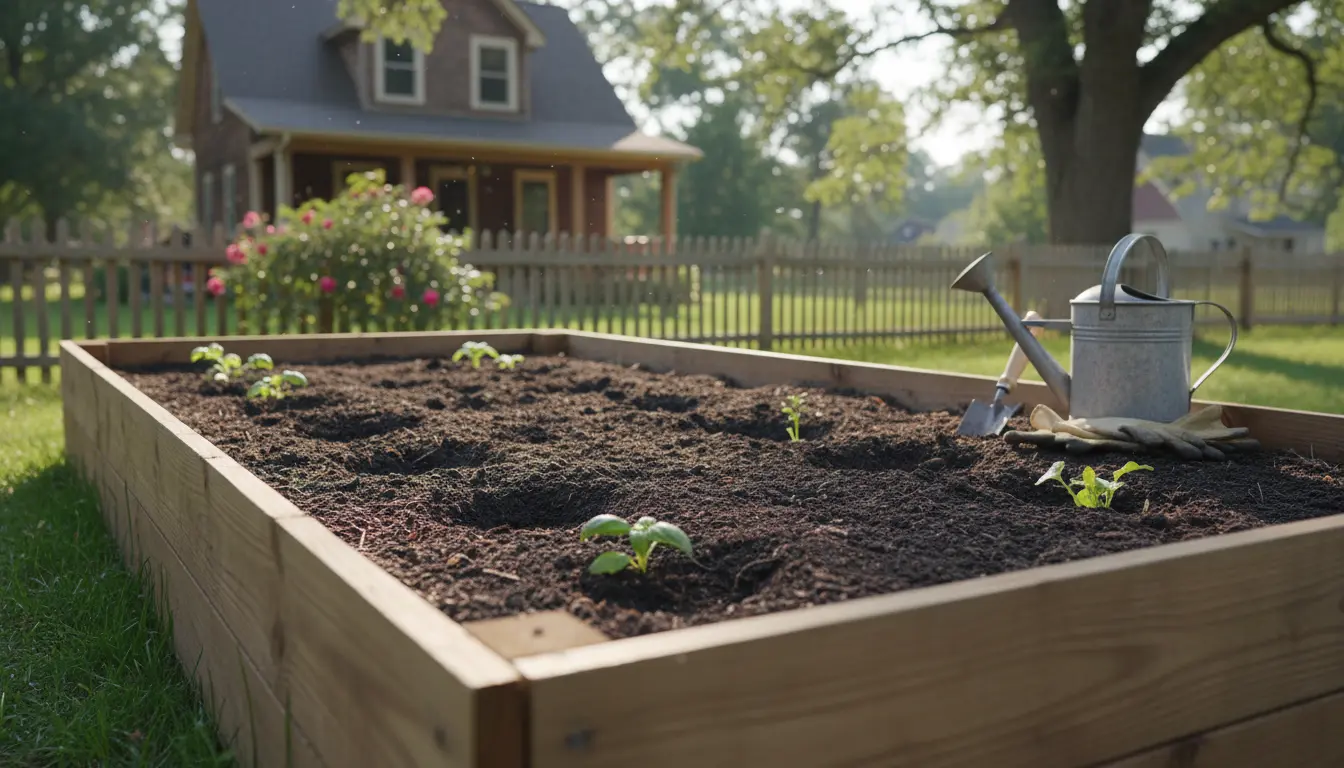
Start Small with Home Vegetable Gardening
Home vegetable gardening is a skill you can develop step by step. Begin with a small, manageable area to learn the basics before scaling up.
Choosing the right spot, preparing soil, and selecting easy crops will improve your chances of early success. This guide gives practical, instructional steps for beginners.
Plan Your Garden Layout
Good planning saves time and reduces waste. Sketch a simple layout and note sunlight, shade, and access to water.
Orient rows or beds to get the most sun and allow 2 to 3 feet between paths for easy access. Use containers or raised beds if space is limited.
Choosing Crops for Home Vegetable Gardening
Start with reliable, fast-growing vegetables that tolerate beginner mistakes. Examples include lettuce, radishes, cherry tomatoes, and bush beans.
Avoid high-maintenance crops at first, such as melons or large trees. Mix complementary plants to improve yield and reduce pests.
Prepare Soil and Compost
Healthy soil is the foundation of productive home vegetable gardening. Test soil pH if possible and aim for a slightly acidic to neutral range (6.0 to 7.0).
Amend soil with compost and organic matter to improve texture and nutrients. For raised beds, use a blend of topsoil, compost, and a balanced garden mix.
Simple Soil Improvement Steps
- Clear weeds and debris from the area.
- Loosen compacted soil to a depth of 8 to 12 inches.
- Work in 2 to 3 inches of compost or well-rotted manure.
- Spread a 2 to 3 inch layer of mulch after planting to conserve moisture.
Planting Techniques for Beginners
Follow seed packet instructions for spacing and depth. Plant seeds at the recommended depth and thin seedlings so they have room to grow.
Transplant seedlings on a cool, cloudy day to reduce transplant shock. Water well after planting and monitor for pests daily in the first two weeks.
Timing and Succession Planting
Use a planting calendar based on your local last frost date. Start cool-season crops before the last frost and warm-season crops after it.
Practice succession planting every 2 to 3 weeks for crops like lettuce and radishes to ensure a steady harvest through the season.
Watering and Maintenance
Consistent watering is critical for even growth and flavor. Most vegetables need about 1 inch of water per week, delivered deeply instead of frequently.
Use drip irrigation or soaker hoses to reduce leaf wetness and limit disease. Mulch conserves moisture and suppresses weeds, reducing maintenance time.
Pest and Disease Management
Inspect plants regularly for pests and early signs of disease. Remove affected leaves promptly and use physical barriers like row covers when needed.
Favor cultural controls: crop rotation, clean tools, and healthy soil. Use organic sprays as a last resort and follow label directions carefully.
Harvesting and Storage
Harvest vegetables at peak ripeness for the best flavor and nutrition. Pick frequently to encourage more production on many plants.
Store harvest properly: cool, dry storage for root vegetables and refrigeration for leafy greens and delicate items. Preserve excess with freezing or canning.
Case Study: Small Raised Bed Success
Maria had a sunny 4×4 foot patio and wanted fresh salad greens. She built one raised bed, filled it with a 50/50 mix of topsoil and compost, and planted lettuce, radishes, and basil.
By using succession planting and a soaker hose on a timer, she harvested weekly for three months. Her early wins led her to add two more beds the next season.
Practical Tips to Keep Going
- Start with 3 to 6 types of vegetables to keep care simple.
- Keep a garden journal to track planting dates, successes, and problems.
- Use local extension services or gardening groups for regional advice.
- Rotate crops each year to minimize soil-borne diseases.
Quick Checklist for First Season
- Choose a sunny spot and sketch a layout.
- Improve soil with compost and check drainage.
- Select easy crops and follow spacing rules.
- Water deeply and mulch to conserve moisture.
- Harvest early and often; record what works.
Home vegetable gardening is manageable when you plan, start small, and focus on soil and consistent care. Use these practical steps to build confidence and increase production season by season.