
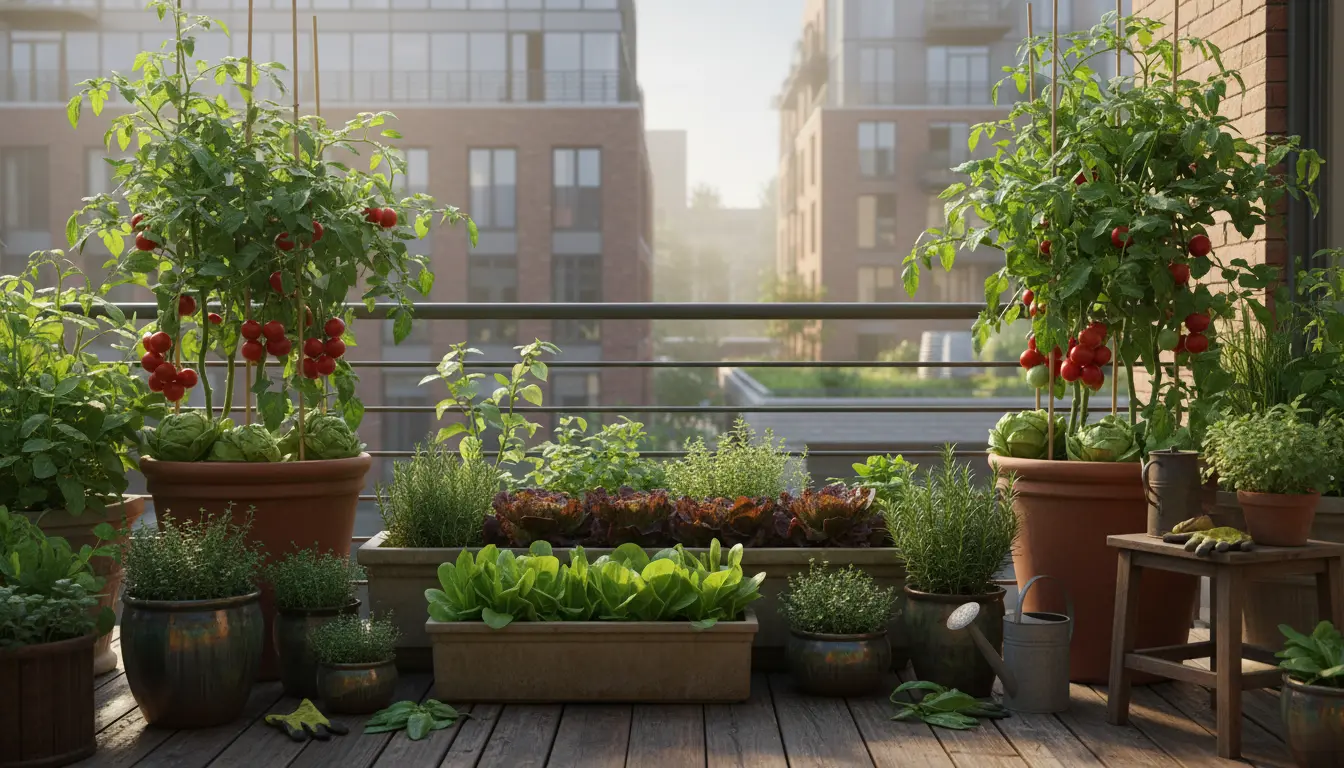
Why a Container Vegetable Garden Works
Container vegetable gardening lets you grow fresh produce in small spaces like balconies, patios, or windowsills. It is practical for beginners and busy people because containers are portable and easier to manage than ground beds.
With the right container, soil, and watering routine you can harvest tomatoes, herbs, lettuce, peppers, and more without a yard. This guide explains every step to start a container vegetable garden and maintain steady production.
Choose the Right Containers for Your Garden
Containers determine root space, drainage, and how often you must water. Select containers with drainage holes and sturdy material like plastic, ceramic, or fabric grow bags.
- Small pots (1–3 gallons): best for herbs and small lettuces.
- Medium pots (5–10 gallons): good for peppers and bush tomatoes.
- Large pots (15+ gallons): ideal for indeterminate tomatoes, squash, and large root vegetables.
Container Placement and Sunlight
Most vegetables need 6–8 hours of sun. Place containers where plants get morning and midday sun. If shade is unavoidable, choose leafy greens and herbs that tolerate partial shade.
Consider wind exposure; balconies can be windy and dry out soil faster. Use heavier containers or secure lightweight pots to prevent tipping.
Pick Soil and Fertilizer for Success
Use a high-quality potting mix designed for containers. Avoid garden soil that compacts and limits drainage. A good mix contains peat or coco coir, perlite or vermiculite, and compost.
Fertilize container plants regularly because nutrients wash out with watering. Use a balanced water-soluble fertilizer every 2–4 weeks or a slow-release granular formula at planting.
Simple Soil Mix Recipe
- 40% coco coir or peat moss
- 30% compost
- 20% perlite or pumice for drainage
- 10% worm castings for slow nutrients
Choose Vegetables for Containers
Select varieties bred for containers or small spaces. Look for words like “patio”, “bush”, or “compact” on seed packets and plant tags.
- Tomatoes: bush/determinate or patio varieties
- Lettuce and greens: loose-leaf types
- Peppers: compact bell or chili types
- Herbs: basil, parsley, chives, cilantro
- Root crops: radishes and small carrots in deep pots
Planting Tips
Plant seeds or transplants at the depth indicated on the packet. For tomatoes, bury part of the stem to encourage stronger roots. Space plants according to container size to avoid crowding and disease.
Watering and Maintenance Routine
Container plants need consistent moisture. Check soil daily in hot weather. Water when the top 1–2 inches of soil feel dry.
Water deeply until liquid drains from the pot’s bottom. This encourages deeper roots and reduces frequent shallow watering.
Pruning, Support, and Pest Control
Provide stakes, cages, or trellises for vining or tall plants. Prune excess foliage on tomatoes to improve air flow and reduce disease risk.
Inspect plants weekly for pests like aphids or caterpillars. Remove pests by hand or use insecticidal soap. Good sanitation and spacing prevent many problems.
Seasonal Care and Crop Rotation in Containers
Rotate crops even in containers: avoid planting the same family in the same pot consecutively. This reduces disease and nutrient depletion.
In colder zones, move containers indoors or use cold frames for a longer harvest. In hot climates, provide afternoon shade for heat-sensitive crops.
Harvesting and Maximizing Yields
Harvest vegetables promptly when ripe to encourage more production. For leafy greens, snip outer leaves and let the center keep growing.
Keep a simple schedule: check plants every 2–3 days during peak season and harvest regularly to prevent overripening.
Small Real-World Case Study: Balcony Success
Maria, an apartment resident, started a container vegetable garden on a 6-foot balcony. She used three 10-gallon pots and four 3-gallon pots to grow bush tomatoes, peppers, basil, and lettuce.
In her first season she harvested 12 pounds of tomatoes and several weeks of mixed salad greens. Her investment was under $120 and she saved on grocery herbs during the summer months.
Key changes she made: moved pots to follow sunlight, switched to a water-retaining potting mix, and fertilized every three weeks.
Quick Checklist to Start Your Container Vegetable Garden
- Choose containers with good drainage and appropriate volume.
- Use quality potting mix and add compost or worm castings.
- Select compact or patio vegetable varieties.
- Place containers where they get 6+ hours of sun if possible.
- Water deeply and check soil moisture daily in heat.
- Fertilize on a regular schedule and rotate crops year to year.
Final Tips for Long-Term Success
Start small and expand as you gain experience. Keep notes on what varieties performed well and the harvest dates. Simple adjustments to watering, soil, or placement usually yield big improvements.
With a plan and basic care, your container vegetable garden can provide fresh produce, reduce food costs, and add green space to any home.