
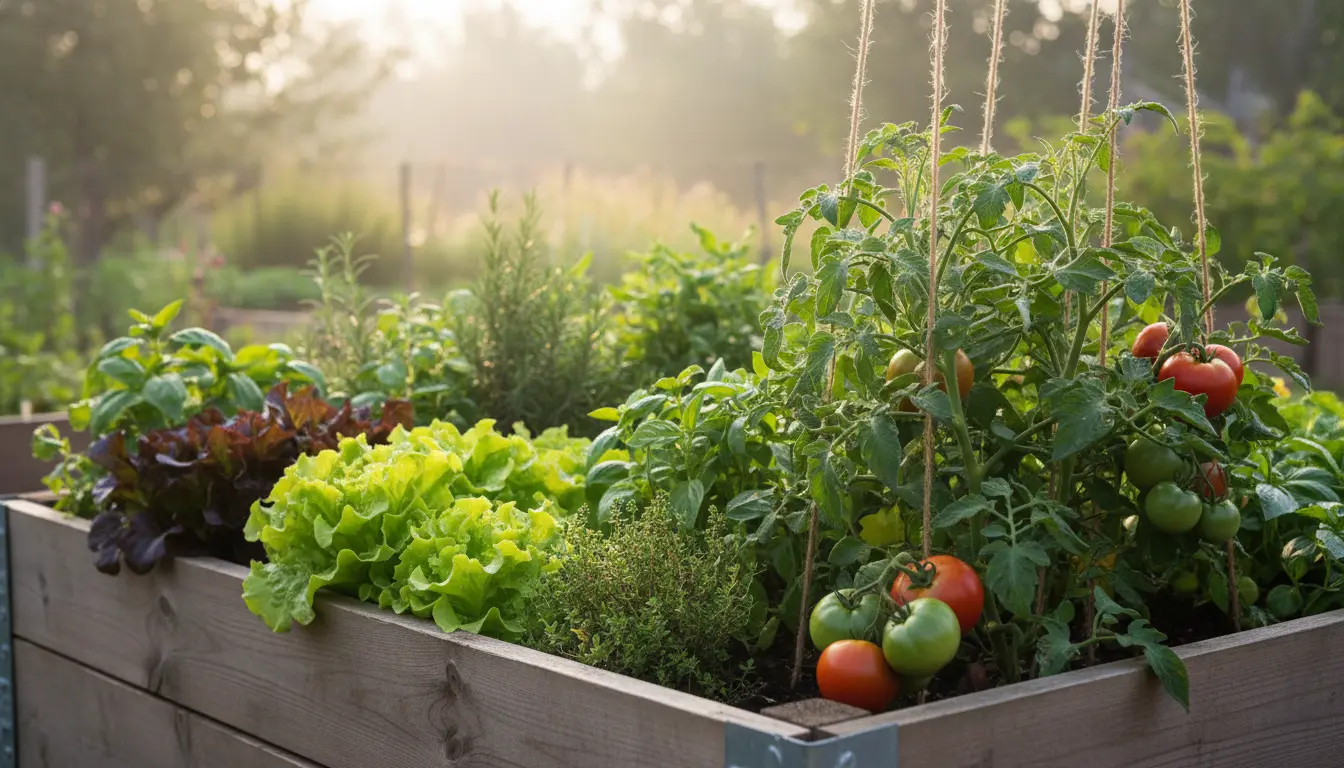
Starting a vegetable garden is a practical way to grow fresh produce, save money, and enjoy time outdoors. This guide walks you through clear steps so you can begin with confidence.
How to Start a Vegetable Garden: Plan Your Garden
Begin by deciding the garden type you want: in-ground beds, raised beds, containers, or a balcony setup. Match the choice to your space, budget, and physical ability.
Sketch a simple layout showing sun exposure and access to water. Planning reduces wasted effort later and helps you choose appropriate crops.
Choose the Right Location
Pick a spot with at least six hours of direct sunlight for most vegetables. If sunlight is limited, select leafy greens and herbs that tolerate partial shade.
Consider proximity to your door, a hose, and protection from strong winds. Good access increases the chances you will maintain the garden regularly.
How to Start a Vegetable Garden: Test and Improve Soil
Healthy soil is the foundation of a productive vegetable garden. Test pH and nutrient levels with a home kit or local extension service.
Most vegetables prefer slightly acidic to neutral soil (pH 6.0–7.0). Amend heavy clay with compost and sand; add compost to sandy soil to improve water retention.
Soil Preparation Steps
- Remove weeds and debris from the planting area.
- Loosen soil to a depth of 8–12 inches for roots to establish.
- Incorporate 2–4 inches of well-rotted compost and mix thoroughly.
- Consider a soil test result to add lime, sulfur, or balanced fertilizer as needed.
How to Start a Vegetable Garden: Choose Vegetables
Start with easy, reliable crops to build experience and confidence. Tomatoes, lettuce, radishes, green beans, zucchini, and herbs are good beginner choices.
Pick varieties labeled as disease-resistant and suited to your climate zone. Local nurseries or extension services can recommend the best cultivars.
Seed vs Seedlings
Seeds are economical and give a wider variety but take longer to harvest. Seedlings (transplants) offer a head start and simplify the first season.
For fast results, buy sturdy seedlings for tomatoes, peppers, and basil, and sow seeds directly for carrots, beans, and radishes.
How to Start a Vegetable Garden: Watering and Mulching
Consistent watering encourages steady growth and reduces disease risk. Water deeply at the base of plants, aiming for 1–1.5 inches per week depending on weather.
Use drip irrigation or soaker hoses for efficiency. Water in the morning to reduce evaporation and fungal problems.
Mulch and Weed Control
Apply 2–3 inches of organic mulch such as straw, shredded leaves, or wood chips around plants. Mulch conserves moisture and suppresses weeds.
Pull weeds when small to prevent root competition. Mulch reduces the frequency of weeding and keeps soil temperature stable.
How to Start a Vegetable Garden: Pest and Disease Basics
Monitor plants weekly for pests and disease signs. Early detection keeps problems manageable and reduces the need for strong interventions.
Use integrated pest management: cultural controls, beneficial insects, row covers, and hand removal before resorting to pesticides.
Simple Organic Controls
- Encourage pollinators and predators by planting flowers like marigolds and nasturtiums.
- Handpick slugs and caterpillars or use traps for localized control.
- Rotate crops yearly to reduce buildup of soil-borne diseases.
Many common vegetables like radishes and lettuce can be harvested within 30 days from sowing, making them ideal for quick success and new gardeners.
How to Start a Vegetable Garden: Maintenance and Harvest
Spend short regular sessions in the garden for watering, weeding, and inspection. Consistent small tasks are more effective than occasional long sessions.
Harvest frequently to encourage production—pick tomatoes, beans, and zucchini when they are young and tender for better flavor and yield.
Season Extension Tips
Use row covers, cold frames, or cloches to extend the growing season in spring and fall. Choose cold-tolerant crops like kale and spinach for late-season harvests.
Start seeds indoors in early spring if you want an earlier harvest for warm-season crops like tomatoes and peppers.
Small Real-World Example
Case Study: Sarah, a city apartment dweller, started a container vegetable garden on her balcony. She used four 10-gallon containers with potting mix and grew cherry tomatoes, basil, lettuce, and peppers.
By placing containers along the railing where they received five hours of morning sun, installing a drip-style watering wand, and adding compost monthly, Sarah harvested fresh salads all summer. She reported minimal pests and a 60% savings on herbs compared to store prices.
Final Checklist: How to Start a Vegetable Garden
- Choose a sunny location and plan layout.
- Test and amend soil; add compost.
- Select beginner-friendly vegetables and decide seed vs seedling.
- Install watering and apply mulch.
- Monitor for pests and harvest regularly.
Starting a vegetable garden is a step-by-step process that rewards planning and consistent care. Begin small, learn from each season, and expand as you gain confidence.