
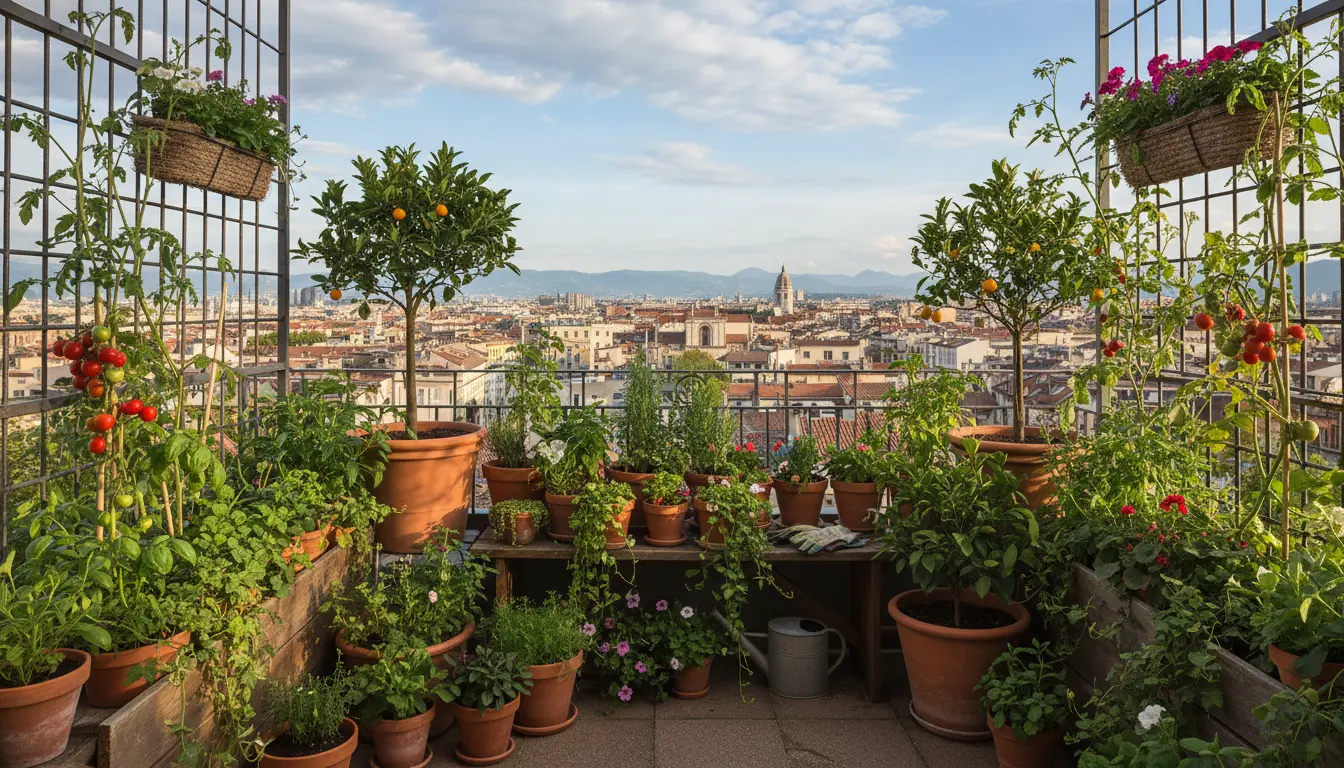
Why try container gardening as a beginner
Container gardening is a low-cost, low-risk way to grow vegetables on patios, balconies, or small yards. It lets beginners control soil, water, and placement without needing a full garden bed.
This guide shows practical steps to start container gardening, pick the right containers and soil, choose suitable plants, and solve common problems for steady success.
What is container gardening
Container gardening means growing plants in pots, bags, or other containers rather than in the ground. It suits renters, apartment dwellers, and people with limited space.
The technique allows for mobility, simpler pest control, and customizing soil for specific vegetables. Many common vegetables do well in containers with the right care.
Choosing containers and soil for container gardening
Choosing the right container and soil is critical to container gardening success. Containers must provide drainage and enough root space for the chosen plant.
Best container types for vegetables
- Plastic pots: lightweight and retain moisture well.
- Ceramic or clay pots: breathable but dry out faster.
- Fabric grow bags: affordable and promote healthy root systems.
- Raised planters: good for larger crops like peppers or small squash.
Soil mix recipe for container gardening
Use a loose, fertile container mix rather than garden soil. A simple starter mix: one part compost, one part peat moss or coconut coir, and one part perlite or coarse sand.
Examples: add a slow-release balanced fertilizer at planting, or plan for weekly liquid feedings during the growing season.
Selecting plants for beginner container gardening
Pick plants that suit container conditions and your climate. Start with easier vegetables that tolerate restricted root space and variable watering.
- Leafy greens: lettuce, spinach, and Swiss chard.
- Herbs: basil, parsley, chives, and cilantro.
- Compact fruiting plants: cherry tomatoes, dwarf peppers, and patio cucumbers.
- Root crops: radishes and small varieties of carrots in deeper pots.
Check the plant label for recommended pot size and sun requirements before buying.
Placement and light for container gardening
Most vegetables need 6 to 8 hours of direct sun. Observe your balcony or patio through the day to identify sunniest spots.
If you have limited sun, focus on greens and herbs that tolerate partial shade. Rotate containers periodically to promote even growth.
Watering and feeding schedule for container gardening
Containers dry out faster than garden beds, so consistent watering is essential. Water when the top inch of soil feels dry, and water until it drains from the bottom.
Fertilize because nutrients wash out during regular watering. A typical approach: a balanced liquid fertilizer every 1–2 weeks or a slow-release granule at planting and mid-season top-up.
Common problems and quick solutions
Beginners often face a few repeated issues. Recognizing them early keeps small problems from becoming crop failures.
- Overwatering: reduce frequency and ensure good drainage holes.
- Underwatering: move pots to a cooler spot or add mulch on top of the soil.
- Pests: use hand removal, soapy water sprays, or insecticidal soap for small infestations.
- Yellow leaves: check watering, nutrient levels, and root space.
Simple maintenance checklist for container gardening
- Check soil moisture daily during heat waves.
- Deadhead or harvest regularly to encourage continuous production.
- Support vining plants with stakes or cages.
- Replace soil every season for annual crops or refresh with compost.
Using a water-retaining polymer or adding a layer of mulch on containers can reduce watering frequency by up to 30 percent during hot months.
Small real-world case study
Case: A city apartment gardener used three 12-inch fabric pots on a south-facing balcony to grow cherry tomatoes and basil. They started seedlings in April and put pots outside after frost risk passed.
Results: By July they harvested 15 to 20 cherry tomatoes per week and had enough basil for regular cooking. Key success steps were consistent watering, weekly liquid feedings, and morning sun exposure.
This simple setup cost under a hundred dollars and produced fresh vegetables through the season, showing how container gardening delivers real food in small spaces.
Quick start plan for your first container garden
- Choose 2–3 containers and a sunny spot.
- Fill with a loose container mix and plant 2–3 seedlings per pot depending on size.
- Place containers where they get morning sun, water thoroughly, and add a balanced fertilizer.
- Monitor weekly and harvest consistently to encourage more growth.
Final tips for beginner container gardening
Start small and learn from each season. Track what works for your microclimate and adjust container size, plant choices, and watering practices accordingly.
Container gardening is adaptable. With modest effort and the right basics, beginners can enjoy fresh vegetables even with limited space.