
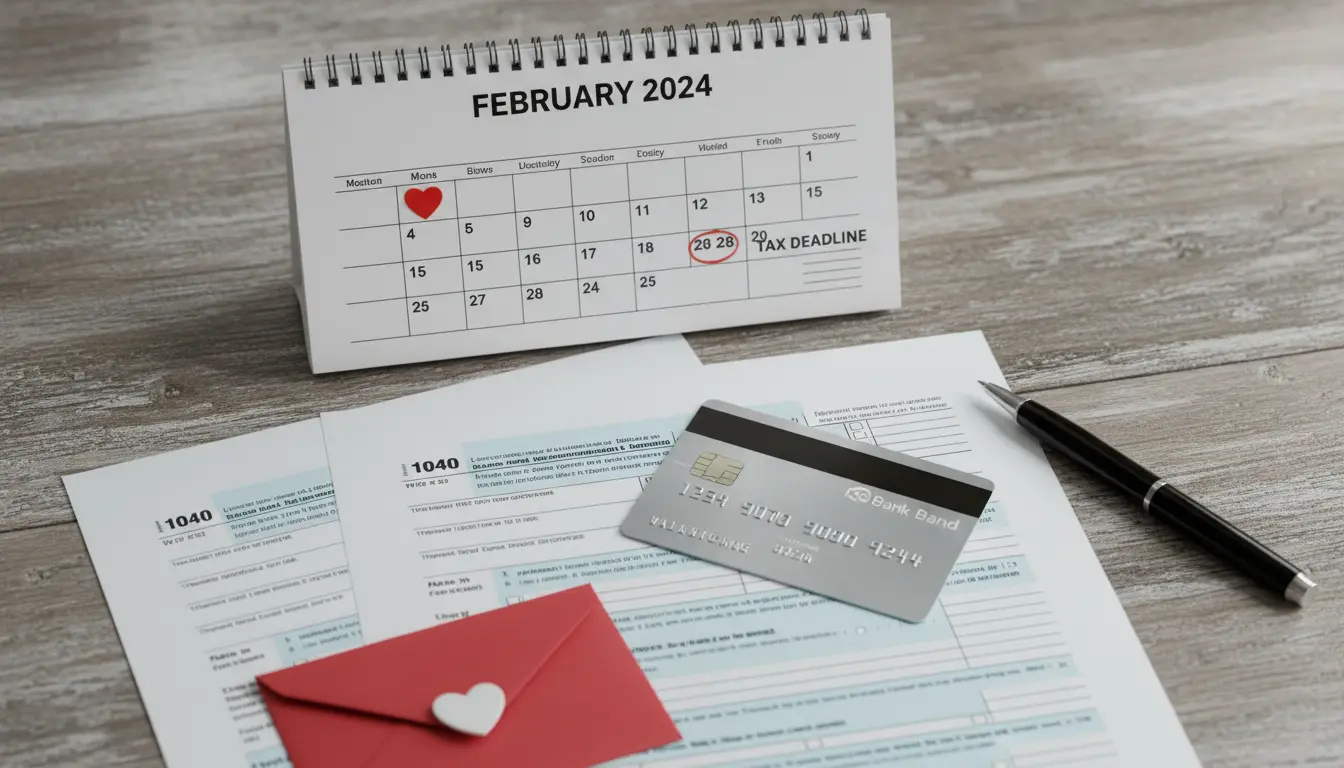
Overview of IRS Confirms $2000 February 2026 Deposits
The IRS has confirmed it will issue $2,000 deposits in February 2026 to eligible taxpayers. These payments are part of an advance credit distribution the agency will manage through its payment channels.
This article explains the rules, the expected schedule, how to check payment status, and what to do if a deposit is missing or adjusted.
Who qualifies for the $2000 February 2026 deposits
Eligibility depends on criteria set by the Treasury and the IRS for the specific advance or reconciliation program. Generally, eligibility is based on recent tax filings, household income limits, and dependent status.
Key eligibility factors include:
- Filing status and recent tax return or account data on file with the IRS.
- Income limits set by the program; higher incomes may phase out the payment.
- Citizenship or resident alien status and a valid Social Security number.
Examples of ineligible situations
- No recent tax return or missing IRS account information.
- Income above the program phase-out thresholds.
- Outstanding offsets, such as certain federal debts, that reduce or eliminate the payment.
How the IRS will schedule deposits
The IRS will use direct deposit for taxpayers who have banking information on file. Paper checks and debit cards will be mailed where direct deposit is not available.
Expected schedule points:
- Direct deposits begin early in February 2026, spaced over several business days.
- Mailed payments follow after direct deposits, and delivery can take one to three weeks from the mail date.
- The IRS posts batch dates rather than individual arrival times, so banks may show funds on different days.
Bank timing and processing
Your bank may credit a payment on the same day the IRS sends it, or it may take one to two business days for the funds to appear. Weekend and holiday schedules will affect posting times.
Payments sent by the IRS can be offset by federal or state debts. If a payment is offset, the IRS will send a notice explaining the reason and the offset amount.
How to check your payment status
Use the IRS online tools to check whether a payment is scheduled or sent. The IRS typically updates its payment status tool daily.
Steps to check:
- Sign in to your IRS online account or use the payment status page.
- Enter identity verification details as requested.
- Look for the payment amount, payment date, and method (direct deposit, check, or card).
If your banking details changed
Update your direct deposit information before the payment posts if the IRS tool allows it. If you cannot update in time, the IRS will mail a check to the address on file.
What to do if you don’t receive the deposit
If a deposit is missing after the IRS indicates it was sent, follow these steps promptly.
- Confirm the IRS payment status and the send date in your account.
- Check with your bank using the send date and amount to trace the transfer.
- If the bank confirms no deposit, contact the IRS help line and be ready to provide verification details.
If the payment was offset, you will receive a notice explaining the offset reason and amount. Offsets commonly occur for back taxes, past-due child support, or certain federal non-tax debts.
Tax treatment and reconciliation
Most advance payments are not taxable income, but they may need to be reconciled on your 2026 tax return. If you received too much or were underpaid, reconciliation will adjust final credit amounts on your return.
Keep payment notices and IRS letters; you may need them when preparing the 2026 tax return.
Case study: Real-world example
Maria, a single filer, qualified for the $2,000 deposit based on her 2024 tax return. She had direct deposit on file and saw the funds in her account two days after the IRS posted the payment.
Her neighbor, James, had moved and not updated his address. The IRS mailed a check that was delayed in the mail. James used the IRS online account to confirm the mailing and then requested a reissue after the check was lost.
Lessons from these cases:
- Direct deposit is fastest when account details are current.
- Keep your IRS address and bank info updated to avoid delays.
- If a check is lost, request a trace or reissue through IRS support.
Practical tips to prepare
- Confirm your most recent tax return is on file with the IRS.
- Check that your direct deposit and mailing address are current.
- Monitor the IRS payment status tool and your bank account in early February.
- Save any IRS notices related to the payment for tax filing and dispute purposes.
Final checklist before February
Complete this brief checklist to reduce problems:
- Verify IRS online account access and contact information.
- Confirm bank routing and account numbers for direct deposit.
- Prepare documentation (tax return, Social Security numbers) in case you need to contact the IRS.
Following these steps will help you receive the $2,000 deposit smoothly or resolve issues quickly if a payment is missed or offset.