
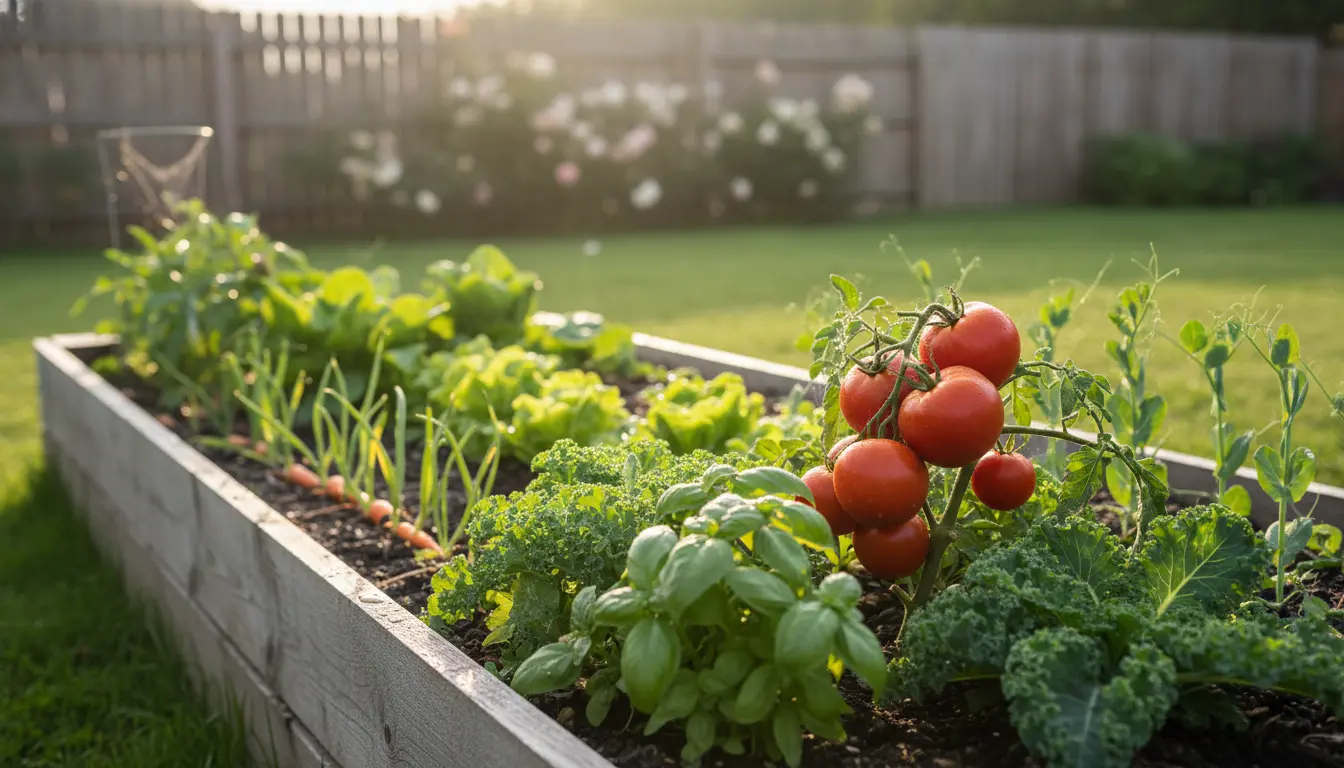
Starting a vegetable garden is a practical way to grow fresh food, save money, and learn new skills. This guide explains how to start a vegetable garden with clear steps you can apply whether you have a small balcony or a backyard.
Why start a vegetable garden
Home-grown vegetables taste better and often have more nutrients because you harvest at peak ripeness. A garden also reduces grocery trips and can lower your food bill over time.
Gardening gives regular outdoor activity and can improve mental well-being. It’s a deliberate, seasonal hobby with measurable results.
How to start a vegetable garden: Step-by-step
Follow these steps to set up a productive vegetable garden. Each step includes simple actions you can take the same day.
Choose a location to start a vegetable garden
Pick a spot with at least 6 hours of direct sun for most vegetables. Check for easy access to water and good drainage to avoid waterlogging.
Consider convenience: a garden near the kitchen increases the chance you’ll harvest regularly.
Plan what to grow when you start a vegetable garden
Start with 4–8 types of vegetables you enjoy and that match your climate. Easy choices include lettuce, radishes, tomatoes, beans, and herbs.
- Choose fast-maturing crops if you want quick results (radishes, lettuce).
- Add one or two long-season crops like tomatoes or peppers.
- Shop local seed packets for planting dates suited to your area.
Prepare soil and beds to start a vegetable garden
Good soil is the foundation. Test soil pH with a simple kit; most vegetables prefer pH 6.0–7.0. Improve heavy clay or sandy soil with organic matter.
Options for beds:
- In-ground beds: loosen top 12 inches and add compost.
- Raised beds: fill with a mix of topsoil and compost for better control.
- Containers: use high-quality potting mix for balconies or patios.
Planting and spacing when you start a vegetable garden
Follow seed packet or plant tag spacing and depth instructions. Crowded plants compete for light and nutrients, reducing yields.
Use row spacing or companion planting to make the most of small areas.
Watering and mulching for a new vegetable garden
Water deeply and less often to encourage strong roots. Aim for consistent moisture, especially during germination and fruit set.
- Install a drip line or soaker hose for even watering.
- Apply 2–3 inches of organic mulch to retain moisture and suppress weeds.
Pest control and maintenance in your vegetable garden
Start with prevention: keep the area clean, rotate crops yearly, and remove diseased plants promptly. Encourage beneficial insects like ladybugs and lacewings.
Use these low-impact methods:
- Hand-pick larger pests such as slugs and beetles.
- Use row covers to protect young plants from insects and birds.
- Apply organic sprays (neem oil, insecticidal soap) only when needed.
Seasonal care after you start a vegetable garden
Adjust tasks by season: plant cool-season crops in early spring, warm-season crops after frost, and follow up with fall planting if your climate allows.
Regular tasks include weeding, staking tall plants, checking soil moisture, and harvesting at peak ripeness to encourage continued production.
Small real-world example: A beginner backyard start
Case study: Sarah, a renter with a 10 x 12 ft backyard, started a raised bed garden. She prepared two 4 x 8 ft beds with equal parts topsoil and compost.
Year one choices: tomatoes along a south fence, bush beans, leaf lettuce, and basil. She used drip irrigation and 2 inches of straw mulch.
Results: Sarah harvested weekly lettuce and basil within five weeks. By midsummer she had a steady supply of tomatoes and beans, reducing her grocery produce bill by about 20% the season.
Square-foot gardening can produce up to four times more vegetables per square foot than traditional row planting by using intensive spacing and companion planting.
Troubleshooting tips when you start a vegetable garden
If seedlings fail to emerge, check soil moisture and planting depth. Too deep or too dry are common causes.
If plants yellow, test soil for nutrients and pH. A balanced organic fertilizer or compost top-dressing often corrects deficiencies.
Final checklist to start a vegetable garden
- Select a sunny, accessible location.
- Choose a few easy crops suited to your climate.
- Prepare soil with compost and correct pH.
- Plant with proper spacing and water deeply.
- Mulch, monitor pests, and harvest regularly.
Starting a vegetable garden is a manageable project with clear steps and visible rewards. Begin small, learn each season, and expand as you gain confidence.