
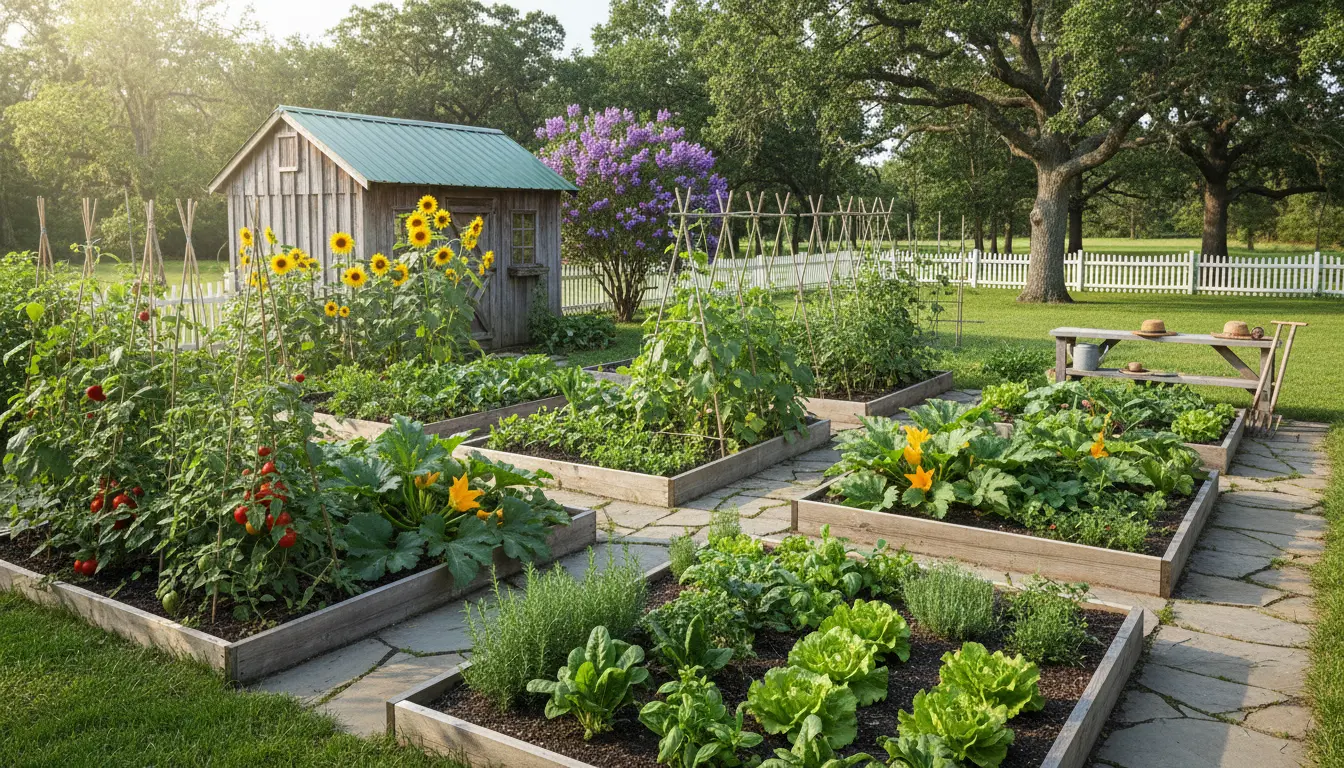
Overview: How to Start a Vegetable Garden
Starting a vegetable garden is a manageable project for beginners and experienced gardeners alike. This guide focuses on practical steps you can follow to plan, prepare, plant, and maintain a productive plot.
How to Start a Vegetable Garden: Planning
Good planning reduces mistakes and increases yields. Begin by deciding what vegetables you want to grow and how much space you can commit.
Consider sunlight, water access, and soil type when choosing a location. Most vegetables need six to eight hours of direct sun daily.
Choosing Location to Start a Vegetable Garden
Look for a flat or gently sloped area with full sun. Avoid low spots that collect cold air or standing water.
Proximity to your kitchen or water source increases the likelihood you will tend the garden regularly.
How to Start a Vegetable Garden: Preparing Soil and Beds
Healthy soil is the foundation of a successful garden. Test soil pH and fertility with a simple kit and amend as needed.
Raised beds or in-ground rows both work. Raised beds warm faster in spring and drain well, while in-ground beds may require less initial material.
Soil Preparation Steps
- Clear weeds and grass from the chosen spot.
- Loosen soil to a depth of 8–12 inches with a fork or tiller.
- Work in organic matter: compost, well-rotted manure, or leaf mold (2–4 inches).
- Adjust pH if needed: lime raises pH, sulfur lowers pH.
How to Start a Vegetable Garden: Planting
Timing is important. Use local frost dates to determine when to plant seeds or transplant seedlings. Cold-hardy crops can go in earlier; warm-season crops need frost-free conditions.
Follow spacing guidelines on seed packets or plant tags. Overcrowding leads to disease and lower yields.
Planting Tips
- Sow fast-growing crops like radishes and lettuce in succession every two to three weeks for continuous harvest.
- Group plants with similar water and sunlight needs together to simplify care.
- Use mulch to retain moisture and reduce weeds — straw, shredded leaves, or compost works well.
How to Start a Vegetable Garden: Watering and Care
Consistent watering is crucial. Most vegetables need about 1–1.5 inches of water per week, including rainfall.
Water at the base of plants early in the morning to reduce evaporation and lower disease risk.
Routine Care Checklist
- Weed regularly — do small sessions often rather than long sessions rarely.
- Check for pests and disease. Handpick pests when possible and use organic controls if needed.
- Fertilize lightly during the growing season with a balanced organic fertilizer or compost tea.
How to Start a Vegetable Garden: Maintenance and Harvesting
Track harvest windows for each crop. Harvesting promptly encourages more production, especially for vegetables like beans and zucchini.
Rotate crops year to year to reduce disease pressure and nutrient depletion. Avoid planting the same family in the same spot consecutively.
Seasonal Tasks
- Early spring: soil prep, sow cool-season crops, set up supports.
- Late spring to summer: regular watering, harvest, pest control.
- Fall: remove spent plants, add compost, plan winter cover crops.
Companion planting, such as growing basil near tomatoes, can improve flavor and help deter pests. Simple combos can boost yields without chemicals.
Tools and Materials to Start a Vegetable Garden
You don’t need expensive gear to begin. Basic tools and supplies will cover most tasks in a small garden.
- Spade or shovel, garden fork, and hand trowel
- Watering can or hose with a gentle nozzle
- Compost or quality garden soil
- Mulch, stakes, trellises, and plant labels
Case Study: Small Backyard Garden That Grew Lettuce and Tomatoes
A homeowner converted a 6×8 foot sunny patch to a raised bed. They tested soil, added compost, and planted lettuce in succession and three tomato plants.
During the season they mulched, watered twice a week (more in heat), and harvested lettuce leaves weekly. Tomatoes were staked and pruned once for airflow.
Result: continuous salad greens from May to October and a steady supply of tomatoes mid-summer. Total time investment averaged 2–3 hours per week.
Common Mistakes When You Start a Vegetable Garden
- Planting too much at once — start small and scale up.
- Ignoring soil health — poor soil limits plant growth despite good weather.
- Overwatering or underwatering — check soil moisture rather than following a strict schedule.
Final Checklist Before You Start a Vegetable Garden
- Choose a sunny location and measure available space.
- Test and amend soil, or build raised beds with quality mix.
- Select easy crops for your climate and plant in stages.
- Set up basic tools and watering routine.
Starting a vegetable garden is a cycle of small steps and adjustments. With a little planning and regular care, you can grow fresh produce reliably and learn each season what works best for your site.