
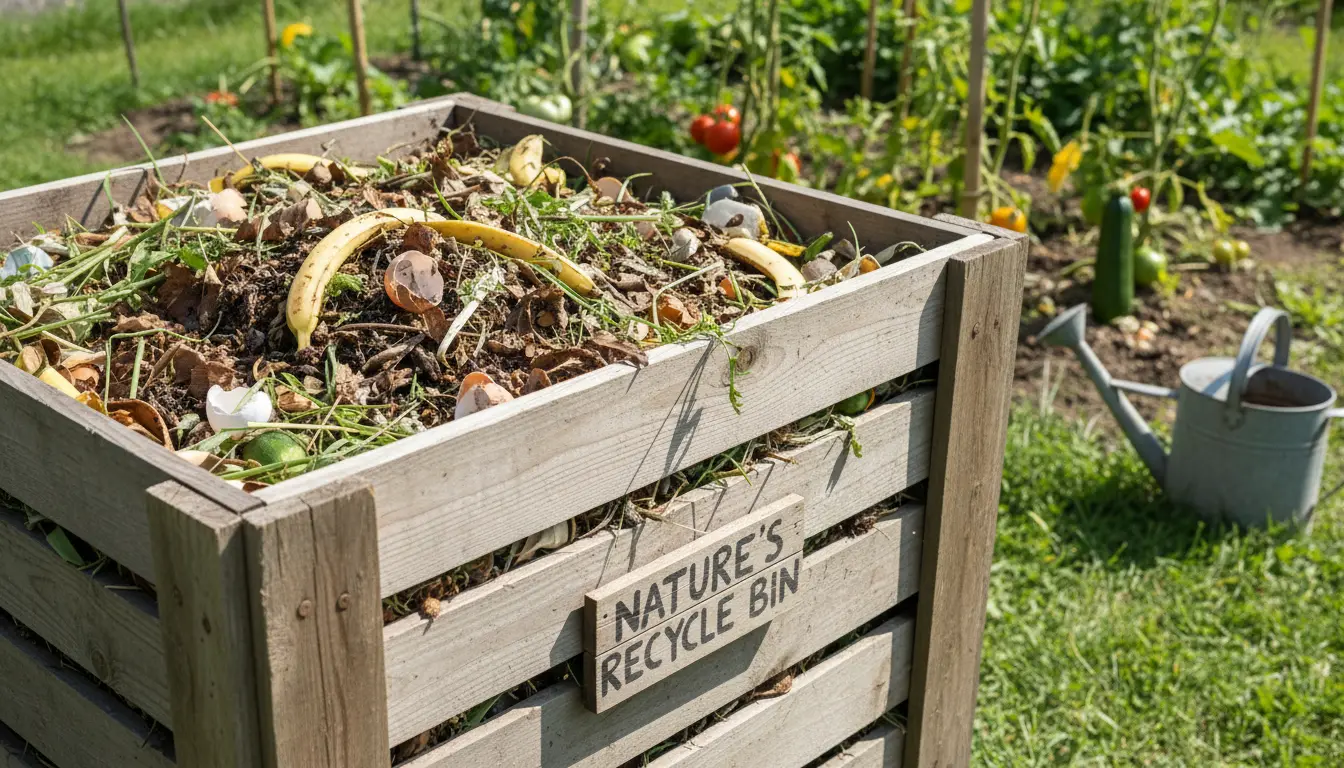
Start Home Composting With Simple Steps
Composting at home turns kitchen scraps and yard waste into nutrient-rich soil. It reduces household waste and improves garden health with minimal cost and effort.
How Home Composting Works
Composting is a controlled decomposition process where microorganisms break down organic material. Providing the right mix of materials, moisture, and air keeps this process active and odor-free.
Key Elements of Home Composting
There are three main things to control: carbon (browns), nitrogen (greens), and oxygen. A balanced mix and occasional turning create heat and speed decomposition.
What to Compost
Knowing what to add helps avoid pests and smells. Use a mix of carbon-rich and nitrogen-rich items to maintain a healthy pile.
- Browns (carbon): dry leaves, straw, shredded paper, cardboard.
- Greens (nitrogen): fruit and vegetable scraps, coffee grounds, fresh grass clippings.
- Avoid: meat, dairy, oils, diseased plants, pet feces and weeds with seeds.
Choosing a Home Composting Method
Pick a method that matches your space and routine. Each method has trade-offs in speed, maintenance, and space required.
Backyard Pile or Bin
Classic option for homes with a yard. Bins keep the pile tidy and retain heat. A pile without a bin works but needs more attention to shape and protection from animals.
Tumbler Composters
Tumblers make turning easy and speed up decomposition. They are ideal for small to medium amounts of waste but can be pricier than DIY bins.
Bokashi and Worm Bins for Apartments
Bokashi fermentation handles all food waste, including meat, though it requires a follow-up composting step. Vermicomposting (worms) creates usable castings quickly and works well indoors with small spaces.
Step-by-Step Home Composting Routine
Following a simple routine keeps your compost healthy and productive. These tasks take only a few minutes per week.
- Add materials in layers: alternate browns and greens to maintain balance.
- Keep it moist: the pile should feel like a wrung-out sponge, not drenched.
- Turn or aerate every 1–2 weeks to add oxygen and mix materials.
- Monitor temperature: a hot pile (120–150°F/50–65°C) indicates active decomposition.
Troubleshooting Common Issues
Problems are usually easy to fix if you identify the cause. Use these quick checks to restore balance.
- Smelly compost: Add more browns and turn to introduce air.
- Slow decomposition: Chop materials smaller and increase green materials or moisture.
- Pests: Avoid adding meat and bury food scraps in the center or use a closed bin.
Using Finished Compost
Finished compost is dark, crumbly, and has an earthy smell. It can be mixed into garden beds, used as potting soil amendment, or spread as mulch.
Apply a 1–2 inch layer to vegetable beds or mix 10–20% compost into potting mixes for seed starting and container gardening.
Composting can reduce household waste volume by up to 50 percent and return essential nutrients to the soil, cutting the need for chemical fertilizers.
Small Real-World Example
Case Study: A family of four started a 3×3 ft backyard bin and a kitchen scrap bucket. They balanced layers of food scraps and shredded leaves, turned the bin weekly, and kept moisture steady.
After six months they produced about 1.5 cubic feet of compost. The family used it to top-dress their vegetable beds and reported stronger plant growth and reduced water needs during summer.
Practical Tips to Start Today
Begin with a simple setup and scale up if needed. You don’t need perfect balance; small adjustments will improve results quickly.
- Keep a small counter bucket with a lid for kitchen scraps to reduce trips outside.
- Collect fallen leaves in autumn to build a reserve of browns.
- Chop or shred large items to speed decomposition.
- Record weekly observations: temperature, moisture, and any odors to learn faster.
Final Notes on Home Composting
Home composting is accessible to most households and provides tangible benefits for gardens and waste reduction. Start small, follow the basic balance and maintenance steps, and learn by doing.
With a little attention, you can turn everyday organic waste into a valuable resource for healthier soil and plants.