
Working from home can increase flexibility but also bring new distractions. This guide gives clear, practical steps you can apply immediately to improve focus, manage time, and get more done each day.
Create a Dedicated Space for Working From Home Productivity
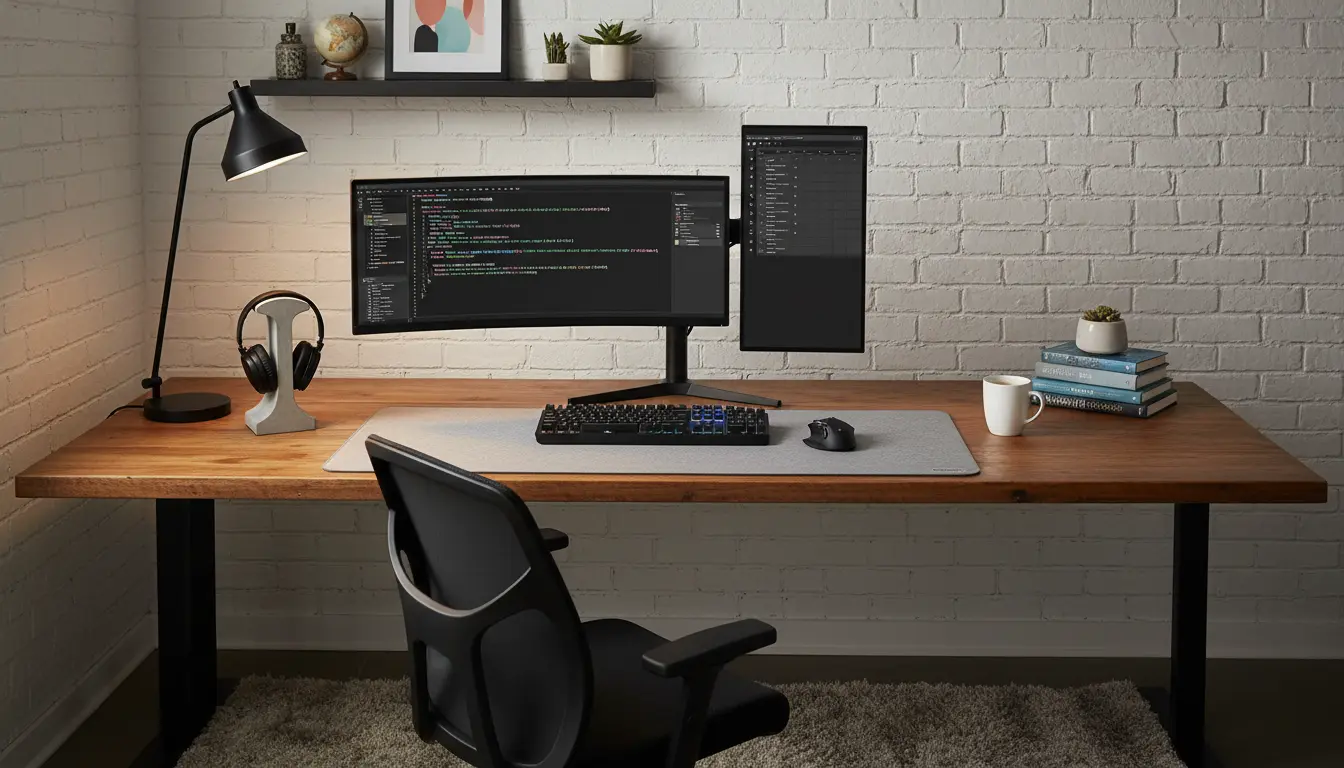
Set up a consistent workspace even if it is a small corner of a room. A dedicated area signals your brain that work time has begun and helps reduce context switching.
- Choose a chair and desk that support good posture.
- Position the desk near natural light when possible.
- Keep only work-related items on your desk to limit clutter.
Essential Setup Items for Working From Home Productivity
Focus on a few high-impact items rather than everything at once. A comfortable chair, an external monitor or laptop stand, and a reliable microphone or headset are often the most useful.
- External monitor or laptop stand to reduce neck strain.
- Keyboard and mouse for faster typing and navigation.
- Noise-cancelling headphones if you have a busy home environment.
Use a Structured Daily Schedule to Improve Working From Home Productivity
Design a daily plan with clear blocks for focused work, meetings, and breaks. Time blocking prevents tasks from expanding to fill the entire day and makes priorities visible.
Start by listing top priorities, then assign specific time slots to each. Use 60–90 minute focus blocks interleaved with 10–20 minute breaks.
Sample Daily Schedule
- 08:30–09:00 — Morning routine and planning
- 09:00–10:30 — Deep work (highest priority)
- 10:30–10:45 — Short break
- 10:45–12:00 — Secondary tasks and emails
- 12:00–13:00 — Lunch and a short walk
- 13:00–15:00 — Meetings and collaboration
- 15:00–15:15 — Break
- 15:15–17:00 — Project work and wrap up
Limit Distractions and Improve Focus When Working From Home Productivity Matters
Identify your primary distractions and create rules to reduce them. Common distractions include social media, household tasks, and unscheduled chats.
- Use website blockers during focus blocks to reduce temptation.
- Set clear household boundaries about interruptions during work hours.
- Turn off non-essential notifications on your phone and computer.
Quick Techniques to Regain Focus
- 5-minute reset: close your eyes, breathe, and list the next three actions.
- Pomodoro method: 25 minutes focused, 5 minutes break, repeat.
- Task batching: group similar tasks like emails or calls together.
Use Tools and Routines to Support Working From Home Productivity
Select a few tools that match your workflow and stick with them so you spend less time switching apps. Tools should reduce friction, not add complexity.
- Calendar: schedule blocks, set meeting buffers, and share availability.
- Task manager: maintain a single task list with priorities.
- Communication: choose one primary chat app and mute secondary channels during focus time.
Examples of Useful Configurations
- Calendar + task manager integration to link actions to time slots.
- Shared document templates for recurring reports to reduce preparation time.
- Automations for repetitive tasks like file naming or team reminders.
Measure Progress and Adjust Your Working From Home Productivity Plan
Track a few simple metrics like focused hours per day, completed priorities, and quality of output. Review weekly and make small adjustments based on data.
- Note which times of day you are most productive and protect those slots.
- Reduce or eliminate activities that consistently lower output.
- Experiment with one change per week, not many at once.
Small Real-World Case Study
Case: Sarah, a freelance content writer, struggled with interruptions and missed deadlines. She created a dedicated workspace, blocked 90-minute deep work periods in her calendar, and used a task manager to limit her daily focus to three priorities.
Result: Within three weeks, Sarah increased her weekly output by 40% and reduced overtime by shifting low-value tasks to a single afternoon session.
Final Checklist for Better Working From Home Productivity
- Create a dedicated workspace with ergonomic basics.
- Use time blocking and prioritize three main tasks per day.
- Limit distractions with app blockers and household rules.
- Adopt a few reliable tools and automate repetitive work.
- Review metrics weekly and iterate on what works.
Improving working from home productivity is an iterative process. Start with one or two changes, measure the effect, and gradually build a routine that fits your work style and home life.