
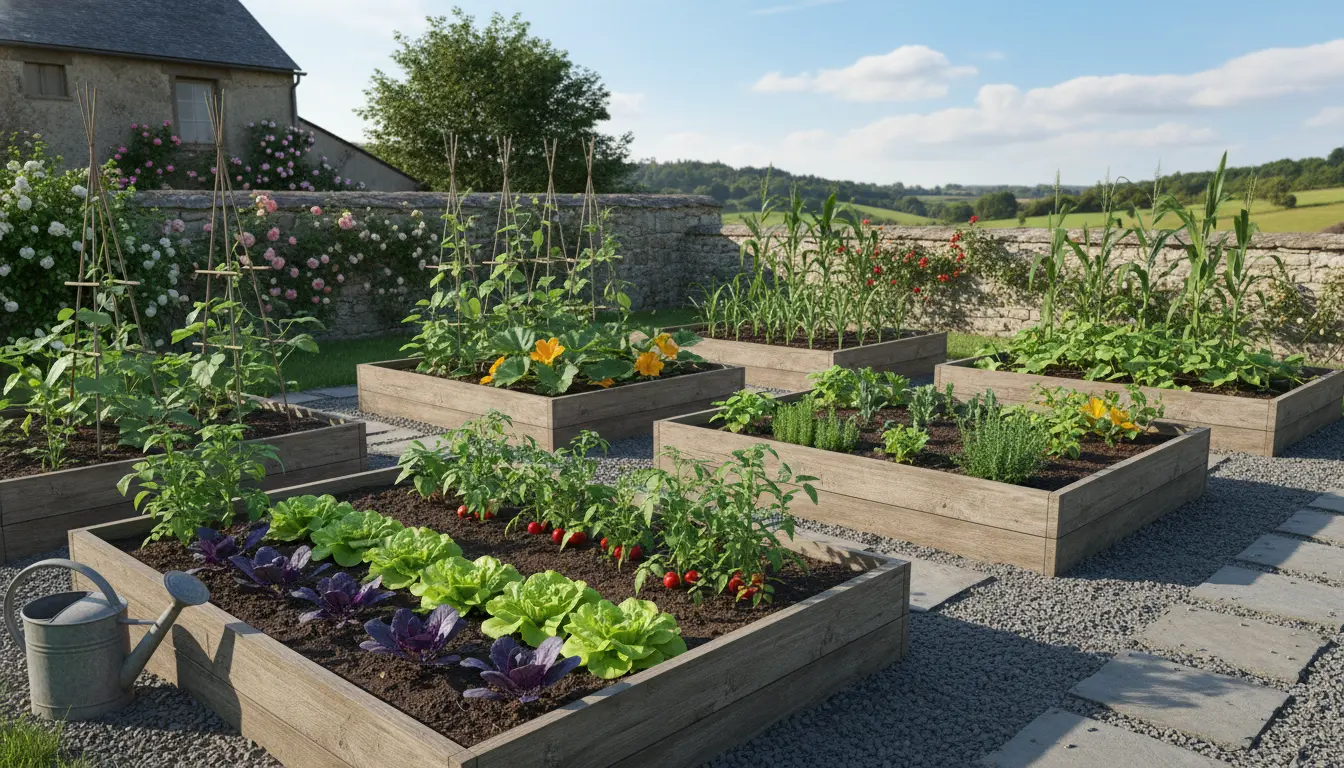
How to Start a Vegetable Garden: First Steps
Starting a vegetable garden is practical and achievable for most people. This guide gives clear steps to plan, prepare, plant, and maintain a productive garden.
Start a Vegetable Garden: Plan Your Garden
Decide what you want to grow before you dig. Focus on 3–6 types of vegetables for your first season to keep the project manageable.
- Choose vegetables you and your family will eat.
- Pick varieties suited to your climate and season.
- Consider space: containers, raised beds, or in-ground rows.
Choose Location to Start a Vegetable Garden
Location determines how much sunlight and protection your plants get. Most vegetables need at least 6 hours of direct sun daily.
Look for a level area with good drainage, near a water source if possible. Avoid low spots that collect cold air or standing water.
Start a Vegetable Garden: Sun, Water, and Access
Test sunlight by observing the site for a full day or using a sun-tracking app. Check how long shade from trees or buildings lasts.
- Sunlight: 6–8 hours for tomatoes, peppers, and most fruiting crops.
- Partial shade: leafy greens and root crops tolerate 4–6 hours.
- Water access: plan irrigation or hand-watering paths for convenience.
Prepare Soil When You Start a Vegetable Garden
Good soil is the foundation of a healthy vegetable garden. Aim for loose, well-aerated soil rich in organic matter.
Test soil pH and nutrients with an inexpensive kit or local extension service. Most vegetables prefer pH 6.0–7.0.
Start a Vegetable Garden: Improve Soil Quality
Steps to boost soil quality:
- Add 2–4 inches of compost and work it into the top 6–8 inches of soil.
- Use aged manure or well-balanced organic fertilizer if tests show deficiencies.
- For heavy clay, add coarse sand and compost to improve drainage.
Planting: How to Start a Vegetable Garden with Seeds or Transplants
Decide whether to start from seed or buy transplants. Fast-growing crops like lettuce and radishes are great from seed.
Transplants give a head start for tomatoes, peppers, and eggplants in cooler climates.
Start a Vegetable Garden: Timing and Spacing
Check frost dates for your area and plant according to crop needs. Use seed packets and plant tags for spacing and depth guidelines.
- Stagger plantings for continuous harvest (succession planting).
- Thin seedlings to recommended spacing to avoid crowding.
- Mulch around plants to conserve moisture and suppress weeds.
Maintain Your Garden After You Start a Vegetable Garden
Consistent care keeps plants productive. Water deeply and less frequently to encourage strong roots.
Monitor for pests and diseases early to avoid major losses. Use physical controls, beneficial insects, and organic treatments first.
Start a Vegetable Garden: Seasonal Tasks
Common tasks by season include:
- Spring: soil prep, planting cool-season crops, staking support.
- Summer: mulching, watering, harvesting, pest control.
- Fall: clear spent plants, add compost, plant cover crops or fall greens.
Simple Tools and Supplies to Start a Vegetable Garden
You do not need expensive equipment to begin. A few reliable tools will make work easier and faster.
- Hand trowel and spade for digging and planting.
- Garden fork or broadfork to loosen soil.
- Watering can or hose with spray nozzle for gentle watering.
- Mulch, compost, and gloves for daily care.
Small Real-World Example
Case study: A 10-by-6-foot raised bed converted by a busy family. They selected tomatoes, bush beans, lettuces, and radishes, using compost and mulch.
Results: In the first season they harvested weekly salads and intermittent tomatoes. Strategic watering and staking reduced disease and improved yields.
Key takeaway: Focused planning and simple maintenance produced reliable fresh vegetables without large time investments.
Planting a mix of flowers with vegetables can attract pollinators and beneficial insects that boost vegetable yields and reduce pest problems.
Troubleshooting: Common Issues After You Start a Vegetable Garden
If seedlings fail to thrive, check soil moisture and light levels first. Overwatering and poor light are common causes.
For pest outbreaks, identify the pest before choosing a control method. Hand-pick large pests and use row covers for small insects.
Start a Vegetable Garden: Quick Problem Checklist
- Yellow leaves: check water and nitrogen levels.
- Wilting: inspect roots for rot or compacted soil.
- Slow growth: test soil pH and nutrient levels.
Keep Learning and Adjusting
Gardening is iterative. Keep notes on what worked, what failed, and when you planted each crop.
Local gardening groups, extension services, and seed catalogs are practical resources to refine choices for your climate.
Starting a vegetable garden is about small, consistent steps: plan, prepare, plant, and maintain. With simple tools and a clear process you can enjoy homegrown vegetables in your first season.