
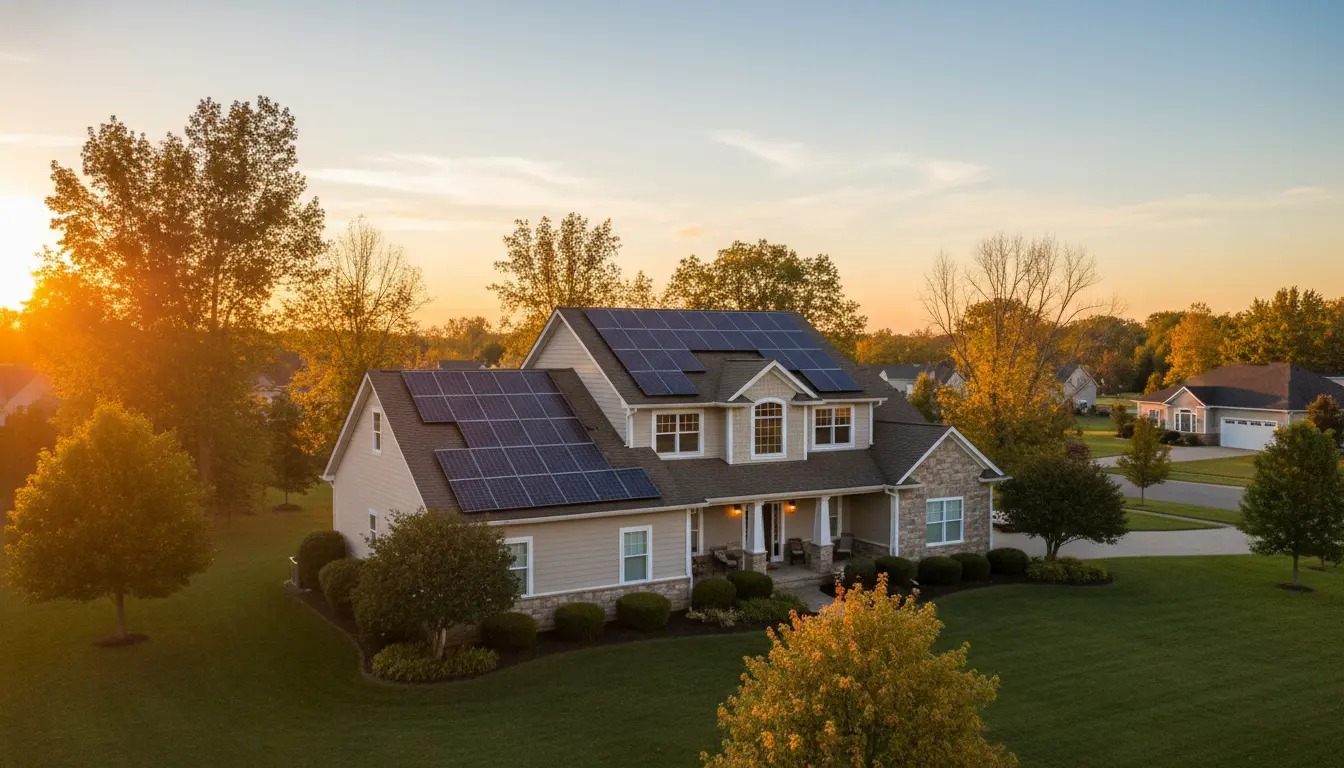
Home Solar Panel Installation Overview
Installing home solar panels converts sunlight into electricity for your household. This guide explains the typical steps, cost factors, equipment choices, and key decisions you must make before installing a rooftop system.
Why Choose Home Solar Panel Installation
Solar reduces electric bills and lowers your household carbon footprint. Incentives and falling equipment costs make installations practical for many homeowners.
Before committing, evaluate your roof condition, sun exposure, and local regulations to estimate feasibility and payback.
Step-by-Step Home Solar Panel Installation Process
1. Site Assessment and Energy Audit
A certified installer inspects your roof, orientation, shading, and electrical panel. They also review past electricity bills to size the system properly.
- Measure usable roof area and tilt
- Check for shading from trees or nearby buildings
- Determine typical monthly kWh consumption
2. System Design and Equipment Selection
Design specifies panel count, inverter type, mounting hardware, and wiring. Common choices include string inverters, microinverters, and power optimizers.
Factors to consider:
- Panel efficiency and warranty
- Inverter efficiency and monitoring features
- Durability of racking for your roof type
3. Permits and Utility Approvals
Most jurisdictions require building and electrical permits. Utilities typically require interconnection agreements for grid-tied systems.
Prepare to submit the system design and equipment list for approval; this can take days to weeks depending on local processes.
4. Installation and Inspection
Installation usually takes 1–3 days for a typical residential system. Mounts are secured, panels wired, and the inverter connected to the electrical panel.
After installation, a municipal inspection ensures code compliance before the system is turned on.
5. Commissioning and Monitoring
Once approved, your system is commissioned and connected. Many inverters include online monitoring so you can track production and troubleshoot remotely.
Costs and Financial Considerations for Home Solar Panel Installation
Costs vary by system size, equipment quality, labor rates, and local incentives. Typical price components include:
- Panels and inverters
- Mounting and wiring
- Permits and inspections
- Labor and commissioning
As a rule of thumb, a residential system ranges from $2,000 to $4,000 per kW before incentives. Many homeowners install 4–8 kW systems.
Incentives and Financing
Federal tax credits, state rebates, and local incentives can reduce net cost. Financing options include cash purchase, solar loans, and leases or power purchase agreements (PPAs).
Compare payback period and return on investment for each financing option.
Equipment Choices and Recommendations
Choose panels with solid warranties (25 years performance warranty is common). Inverters typically have 10–15 year warranties; extended warranties are available.
Microinverters or optimizers are recommended for shaded or complex roofs because they maximize per-panel output.
Maintenance and Long-Term Care
Solar systems need minimal maintenance. Occasional cleaning and periodic checks of wiring connections can preserve performance.
- Inspect for debris and clean panels once or twice a year
- Monitor performance dips and ask your installer to inspect if production drops
- Replace inverters when they reach end of life
Solar panels still produce electricity on cloudy days. Typical systems generate 10–25% less output in overcast conditions compared with bright sun, but they continue producing useful power.
Common Pitfalls to Avoid During Home Solar Panel Installation
Avoid choosing the cheapest installer without references. Poor installation can void warranties and reduce system life.
Also confirm roof condition: replacing an old roof after panel installation requires removal and reinstallation costs.
Real-World Example: Small Suburban Installation Case Study
Case: A 5 kW rooftop system installed in Austin, TX for a 2-story home. System specifics:
- 5 kW of high-efficiency panels
- String inverter with monitoring
- Roof orientation south, minimal shading
Installed cost before incentives: $12,000. After a 30% federal tax credit, net cost was $8,400. The homeowner reduced annual electricity bills by about $1,200 and expects a payback period of roughly 7–9 years.
Checklist Before You Start Home Solar Panel Installation
- Collect 12 months of electricity bills for sizing
- Get at least three quotes from licensed installers
- Confirm local permits, HOA rules, and utility requirements
- Check roof age and plan replacement if it’s near end of life
- Evaluate financing and incentives to calculate net cost
Final Steps and Next Actions
Request detailed proposals that include equipment specs, warranties, and timeline. Review contracts for workmanship guarantees and system performance guarantees.
With planning and a reputable installer, home solar panel installation is a reliable way to cut energy costs and increase home value.