
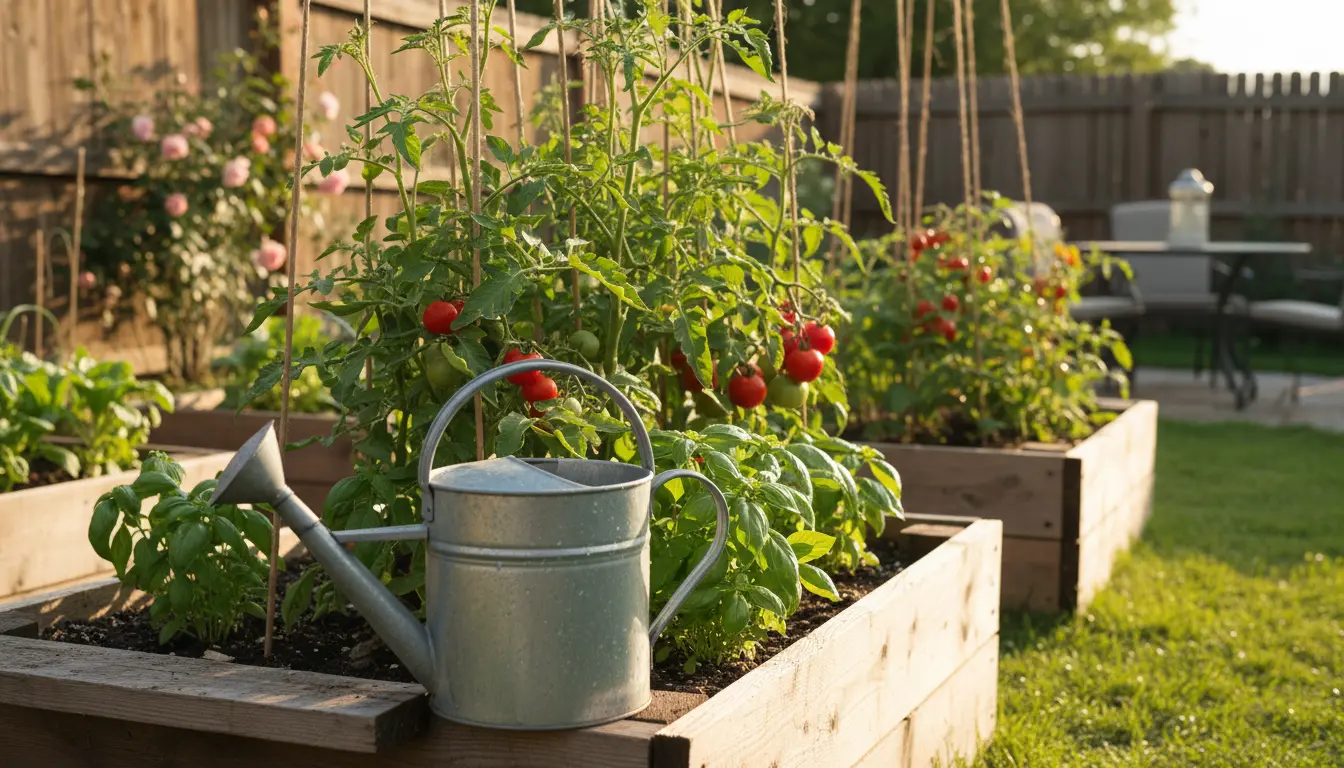
Getting Ready to Start a Vegetable Garden
Starting a vegetable garden is an achievable project for most homeowners and renters. With the right planning you can harvest fresh salad greens and ripe tomatoes within a season.
Decide Why You Want to Start a Vegetable Garden
Clarify your goals before you plant. Do you want continuous salad greens, a few tomato plants, or a full-season supply of vegetables?
Knowing your goals helps determine how much space, time, and budget you should allocate.
Choose the Best Location to Start a Vegetable Garden
Light is the most important factor when you start a vegetable garden. Most vegetables need at least six hours of direct sun each day.
Also consider access to water, drainage, and protection from strong winds or pests.
Site Checklist for a New Vegetable Garden
- Sun exposure: 6–8 hours of direct sun for most crops.
- Soil drainage: avoids standing water after heavy rain.
- Water source: hose or irrigation within easy reach.
- Accessibility: paths for weeding and harvesting.
Prepare Soil Before You Start a Vegetable Garden
Good soil is the foundation of a productive garden. Most beginners benefit from improving native soil with organic matter.
Test soil pH if possible; most vegetables prefer pH 6.0–7.0. Add compost to improve texture and fertility.
Basic Soil Prep Steps
- Remove grass and weeds from the planting area.
- Loosen soil to 8–12 inches for root crops and transplants.
- Mix in 2–4 inches of compost and a balanced organic fertilizer if needed.
- Rake the bed smooth and water lightly before planting.
Choose What to Plant When You Start a Vegetable Garden
Start with easy, high-reward vegetables for the first season. Leafy greens, radishes, bush beans, and cherry tomatoes are good beginner choices.
Consider your climate and length of growing season when selecting varieties.
Beginner-Friendly Crops
- Lettuce and spinach – quick harvest and tolerate partial shade.
- Radishes – mature in 3–4 weeks and show quick results.
- Beans – productive and low maintenance.
- Tomatoes (determinate or patio types) – great yield from one plant.
Planting Strategy to Start a Vegetable Garden
Use a mix of seeds and seedlings to spread workload and risk. Sow quick crops first and transplant slower growers when weather is stable.
Follow spacing instructions on seed packets or plant tags for best results.
Planting Tips
- Stagger planting dates for continuous harvest of lettuce and greens.
- Use companion planting to save space and reduce pests.
- Mulch around plants to retain moisture and suppress weeds.
Watering and Maintenance After You Start a Vegetable Garden
Consistent watering is essential. Aim for deep, infrequent watering rather than shallow daily sprays.
Weed regularly, monitor for pests, and remove diseased or damaged leaves promptly.
Simple Maintenance Routine
- Water 1–1.5 inches per week, more in hot weather.
- Mulch with straw or leaves to conserve moisture.
- Inspect plants weekly for pests or signs of nutrient deficiency.
Some vegetables like lettuce and radishes can be harvested in as little as 3 to 4 weeks, making them ideal for fast results and gardening confidence.
Small Case Study: Emma’s 4×8 Raised Bed
Emma had limited backyard space and wanted fresh salad greens and a few tomatoes. She built a 4×8 raised bed and filled it with a mix of topsoil and compost.
She planted lettuce in succession every two weeks and three patio tomato plants. By mid-summer she harvested weekly salads and several pints of cherry tomatoes.
Her key wins were regular watering, mulching, and starting with easy crops. This small, focused effort delivered fresh produce and growing confidence.
Common Mistakes When You Start a Vegetable Garden
Avoid these frequent errors: planting too densely, overwatering, and starting with difficult crops. These mistakes can reduce yield and increase pest problems.
Start small and expand as you learn what works in your space.
Quick Troubleshooting
- Yellowing leaves: check watering and soil fertility.
- Poor flowering or fruit set: ensure full sun and adequate phosphorus.
- Sluggish growth: add compost and consider a soil test.
Final Steps and Seasonal Tips
Keep records of planting dates and variety performance to improve next season. Rotate crops to reduce disease pressure and replenish soil.
Enjoy the process: gardening is part science and part observation. Small adjustments deliver better harvests over time.
With proper planning, basic soil prep, and consistent maintenance you can start a vegetable garden that produces tasty food and gardening satisfaction.