
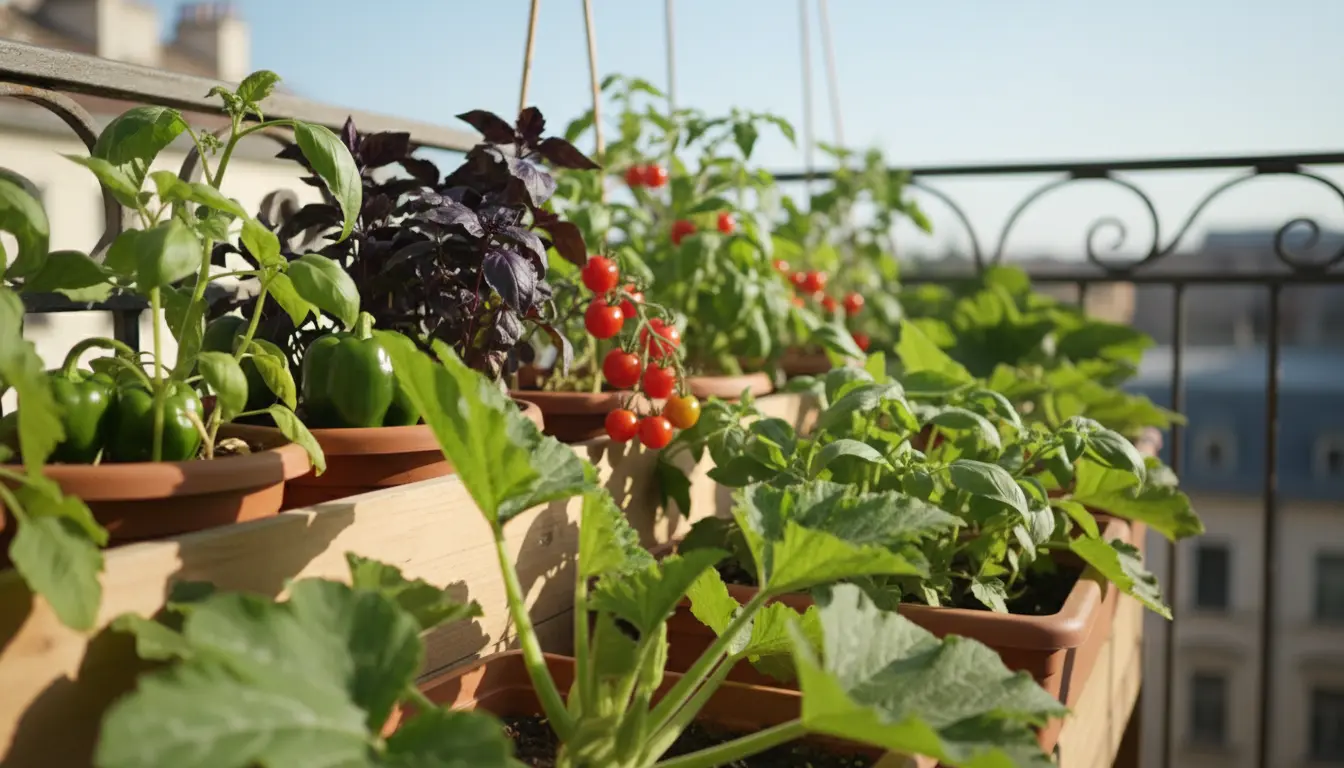
Why Start a Small Vegetable Garden
Starting a small vegetable garden saves money, improves food freshness, and connects you with the growing season. Small gardens fit balconies, patios, front yards, or a single raised bed.
This guide explains how to plan and build a productive small vegetable garden you can maintain easily.
Plan Your Small Vegetable Garden
Good planning makes a small vegetable garden productive and low maintenance. Start with a realistic space and list of goals.
Decide on sun exposure, how much time you can spend, and which crops you want to grow.
Choose Location for a Small Vegetable Garden
Pick a spot with at least six hours of sunlight for most vegetables. If sunlight is limited, choose leafy greens and herbs that tolerate partial shade.
Consider access to water, protection from wind, and ease of reaching plants for harvesting and care.
Select Vegetables for a Small Vegetable Garden
Choose high-yield, space-efficient crops suited to your climate. For beginners, try:
- Leafy greens: lettuce, spinach, Swiss chard
- Tomatoes: determinate or compact varieties
- Peppers: sweet or hot, compact types
- Herbs: basil, parsley, cilantro
- Root crops: radishes, baby carrots
Prepare Soil for Your Small Vegetable Garden
Healthy soil is the single most important factor for a successful small vegetable garden. Focus on structure, drainage, and nutrients.
Raised beds or containers are ideal for small spaces because you control the soil mix.
Soil Mix for Containers and Raised Beds
Use a mix of quality topsoil, compost, and a light amendment like perlite or coarse sand for drainage. Aim for a dark, crumbly texture.
Add compost at planting and then a slow release organic fertilizer according to package directions.
Planting and Layout Tips for a Small Vegetable Garden
Smart layout increases yields in limited space. Use vertical supports and succession planting to maximize production.
- Plant taller crops on the north side to avoid shading smaller plants.
- Use trellises for vining crops like beans and cucumbers.
- Practice succession planting: sow quick crops between slower ones.
Spacing and Companion Planting
Follow seed packet spacing but consider intensive spacing if you keep plants pruned. Companion planting can reduce pests and improve growth.
Examples: basil with tomatoes, marigolds near beans to deter nematodes.
Watering and Maintenance for a Small Vegetable Garden
Consistent watering is essential. Small gardens and containers dry out faster than large beds, so check soil moisture regularly.
- Water in the morning to reduce disease risk.
- Use a soaker hose or drip system for efficient watering.
- Mulch to retain moisture and suppress weeds.
Pest and Disease Control
Inspect plants weekly and remove damaged leaves. Use row covers for early season pests and hand-pick large insects.
Promote beneficial insects by planting flowers and avoid broad spectrum pesticides that harm pollinators.
Harvesting and Season Extension
Harvest regularly to encourage production. Many vegetables taste best when picked young and fresh.
To extend the season, use cold frames, cloches, or frost cloth in cooler months.
What to Harvest First in Your Small Vegetable Garden
Leafy greens and radishes are quick wins and free up space for later plantings. Tomatoes and peppers come later but reward longer care.
Using a 3:1 ratio of compost to soil in containers improves water retention and nutrient availability for up to a full season.
Simple Schedule for a Small Vegetable Garden
Keep a short calendar to manage planting, feeding, and harvesting. For example:
- Week 1: Prepare beds or containers and amend soil with compost.
- Week 2: Sow cool-season greens or set starter transplants.
- Weeks 4-8: Thin seedlings and start succession plantings.
- Week 10 and onward: Harvest and replant gaps.
Budget and Tools for a Small Vegetable Garden
You only need a few basic tools: a trowel, hand fork, watering can or hose, and gloves. Start small and expand tools as needed.
Expect a modest setup cost for soil and containers. Many people reuse buckets or wooden crates to save money.
Case Study: Sarah’s Balcony Small Vegetable Garden
Sarah converted a 6 by 3 foot balcony into a small vegetable garden using three 2-foot trough planters. She chose compact tomatoes, basil, and lettuce.
She spent $120 on soil and plants, watered twice a week with a watering can, and used a simple trellis. In the first season she harvested about 20 pounds of tomatoes and continuous salad greens.
Her lessons: start with compact varieties, prioritize sunlight, and use vertical supports to increase space.
Final Tips to Start a Small Vegetable Garden
- Start with a clear plan and realistic expectations.
- Invest in quality soil and compost for faster success.
- Use vertical space and succession planting to maximize yield.
- Keep care routines simple: water, inspect, harvest.
Starting a small vegetable garden is a practical way to grow fresh food and learn gardening skills. With basic planning and consistent care, even a tiny space can produce satisfying results.