
Home Composting Basics
Home composting turns kitchen and yard waste into nutrient-rich soil. It reduces trash, lowers methane emissions, and improves garden health.
Compost is the product of microorganisms breaking down organic matter. With the right balance of materials and simple maintenance, anyone can compost at home.
How To Start Home Composting
Choose a compost system that fits your space and needs. Options include open piles, tumblers, and countertop bins for small spaces.
Follow these initial steps to begin home composting:
- Pick a location with some shade and good drainage.
- Decide between a bin type: open bin for yards, tumbler for easy turning, or worm bin for indoor use.
- Collect a mix of greens (nitrogen) and browns (carbon).
Materials for Home Composting
Balance is key. Aim for a roughly 2:1 to 3:1 ratio of browns to greens by volume.
- Greens: fruit scraps, vegetable peels, coffee grounds, fresh grass clippings.
- Browns: dry leaves, shredded paper, cardboard, straw, wood chips.
- Avoid: meat, dairy, oily foods, diseased plants, and pet waste.
Setting Up a Bin for Home Composting
If you choose a stationary bin, start with a 6-12 inch layer of bulky browns to encourage airflow. Add greens on top, then cover with browns.
For tumblers, add materials in the same layered way and rotate every few days. Worm bins need bedding (shredded paper) and red worms to process food scraps.
Moisture and Aeration
Compost should feel like a wrung-out sponge: moist but not dripping. Too dry slows decomposition; too wet causes odors.
Air is essential. Turn piles or rotate tumblers to supply oxygen. In larger piles, insert sticks or pipes vertically to maintain channels for air.
Daily and Weekly Maintenance for Home Composting
Weekly checks keep compost active. Monitor temperature, moisture, and smell to know when to adjust.
- Turn the pile weekly if possible to speed decomposition.
- Add water if dry, or more browns if it is soggy and smells bad.
- Chop or shred larger items to increase surface area.
Speeding Up Composting
To make compost faster, maintain a warm core by keeping a balanced mix and turning regularly. A hot pile (130–160°F or 55–70°C) breaks down materials in weeks.
In small home setups, you may get usable compost in 2–6 months, depending on conditions and input size.
Troubleshooting Home Composting Problems
Common issues are easy to fix with small adjustments.
- Bad smell: add more browns and turn the pile to add air.
- Slow decomposition: chop materials finer, add nitrogen-rich greens, and keep moisture steady.
- Fruit flies: bury fresh food scraps under a layer of browns or use a closed bin.
- Rodents: avoid meat and fatty foods; use a rodent-proof bin.
Home composting can divert up to 30% of household waste from the trash, reducing your carbon footprint and creating free soil amendment for your garden.
Using Finished Compost
Finished compost is dark, crumbly, and earthy-smelling. Use it as a soil topper, mix into potting soil, or add to garden beds to improve structure and fertility.
Apply a 1–3 inch layer around plants, or mix compost at a 10–25% ratio into garden soil for planting.
Practical Examples and Tools
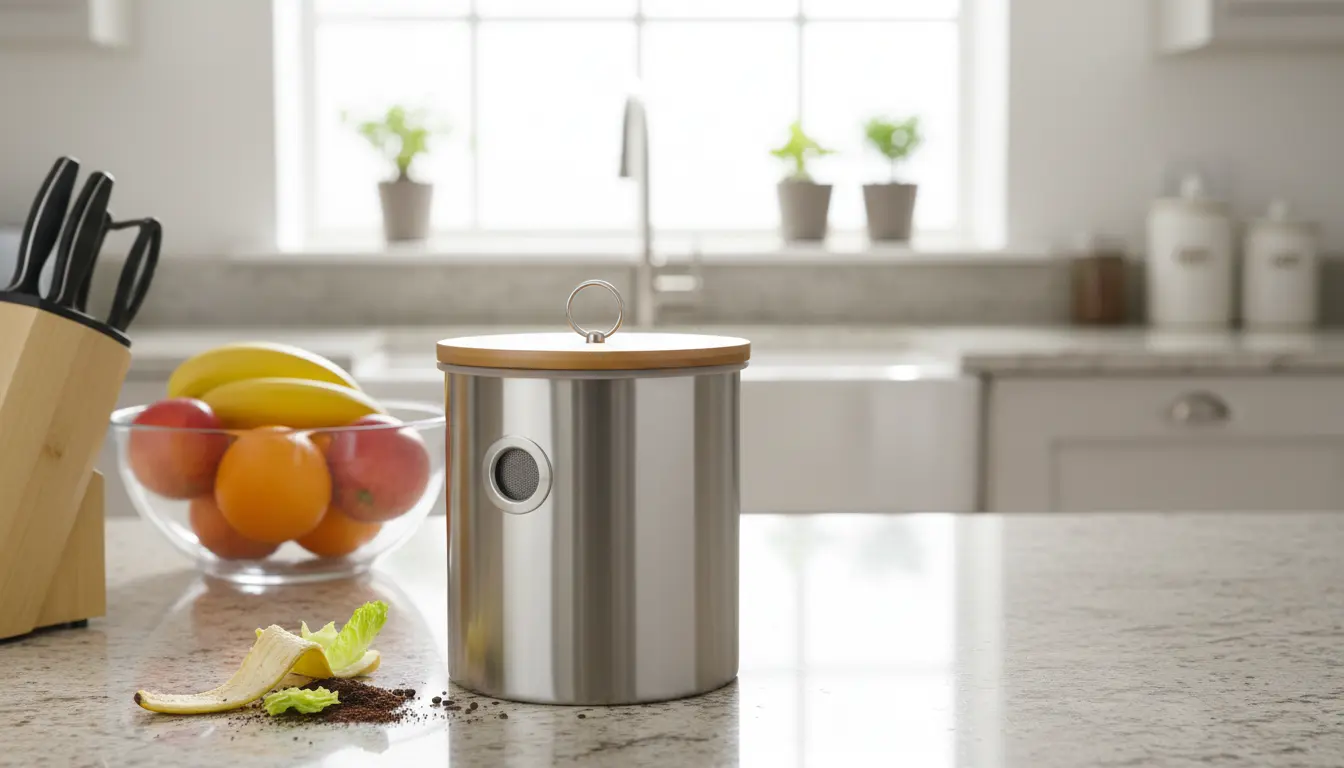
- Kitchen collector: small lidded bucket to store scraps before transferring to the bin.
- Compost thermometer: helps you track temperatures in larger piles.
- Shredder or scissors: useful for breaking down cardboard and plant stems.
Case Study: Apartment Composting Success
Maria lives in a two-bedroom apartment and started home composting using a worm bin on her balcony. She collected kitchen scraps in a sealed container and added them to the worm bin twice a week.
Within four months she had enough vermicompost to mix into houseplant soil and give away small amounts to neighbors. Key factors were consistent feeding, avoiding citrus overload, and keeping bedding moist.
Quick Start Checklist for Home Composting
- Choose a bin type that fits your space.
- Gather greens and browns before you begin.
- Layer materials and maintain moisture like a wrung-out sponge.
- Turn or aerate regularly and monitor odors.
- Harvest finished compost when it looks and smells right.
Home composting is a simple, practical step toward sustainable living. Start small, observe your system, and adjust as needed to create healthy compost for your plants.