
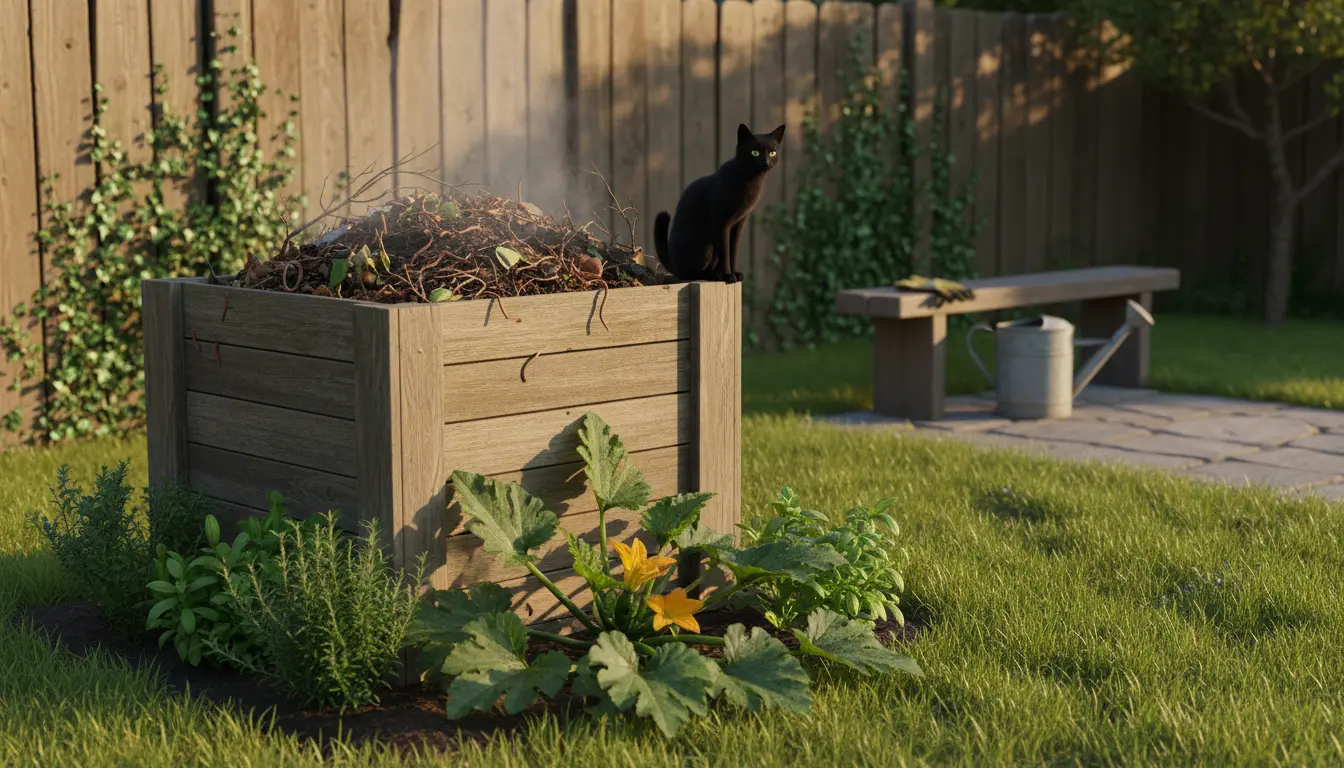
Why Home Composting Matters
Home composting turns kitchen scraps and yard waste into rich soil amendment. It reduces household waste, lowers landfill methane, and improves garden health.
For beginners, composting is a practical way to save money on fertilizers while recycling nutrients back into your soil. The method is simple once you understand the basic balance and routine.
Basic Principles of Home Composting
Composting relies on microbes breaking down organic matter. To keep the process active, maintain the right mix of carbon and nitrogen, moisture, and air.
Think of materials as either ‘greens’ (nitrogen) or ‘browns’ (carbon). Good compost comes from combining both in the right proportions and checking conditions regularly.
Key Components for Home Composting
- Greens: kitchen scraps, fresh grass clippings, coffee grounds.
- Browns: dry leaves, shredded paper, straw, cardboard.
- Air: occasional turning to add oxygen.
- Moisture: damp like a wrung-out sponge.
How to Start Home Composting
Starting is easier than many expect. Choose a compost system, gather materials, and follow a simple routine to keep the pile active.
Step 1 Choose a Bin or Pile
Options include a simple open pile, a tumbler, or a stationary bin. For small yards, a 60–120 litre bin works well for a household of 2–4 people.
Place the bin on soil for good drainage and staff exchange with soil organisms. A shady, accessible spot is best.
Step 2 Build the Right Mix
Aim for about 3 parts browns to 1 part greens by volume. Too many greens cause odors; too many browns slow decomposition.
Examples of layers: start with coarse browns, add a layer of greens, then add a thin soil layer. Repeat until the bin is full.
Step 3 Maintain the Pile
Turn the pile every 1–3 weeks to add oxygen. If using a tumbler, rotate it according to the manufacturer’s instructions.
Keep the pile moist but not waterlogged. During dry spells, add water when the material feels drier than a wrung-out sponge.
Step 4 Know What to Compost
Common compostable items:
- Vegetable and fruit scraps (no large amounts of citrus).
- Coffee grounds and tea leaves.
- Eggshells, shredded paper, yard trimmings.
Items to avoid or limit:
- Meat, dairy, oily foods (attract pests).
- Diseased plants, weeds with seeds, pet waste.
Adding a thin layer of finished compost or garden soil to new kitchen scraps helps introduce beneficial microbes and speeds up decomposition.
Troubleshooting Common Problems in Home Composting
Beginner composters often face a few predictable issues. Most are easy to fix with small adjustments.
Problem: Smelly Compost
Cause: Too many greens or poor aeration. Fix: Add browns like shredded leaves and turn the pile to increase oxygen.
Problem: Compost Too Dry or Slow
Cause: Not enough moisture or too many browns. Fix: Add water and more greens or a handful of garden soil to reintroduce microbes.
Problem: Pests
Cause: Food scraps like meat or oily foods, or exposed pile. Fix: Remove offending items, bury scraps in the center, or use a closed bin/tumbler.
When Is Compost Ready and How to Use It
Finished compost is dark, crumbly, and earthy-smelling. Depending on materials and conditions, it can be ready in 2–9 months.
Use finished compost by mixing it into garden beds, topping lawn soil, or making compost tea to feed plants. A 2–4 cm layer of compost improves soil structure and fertility.
Small Real World Example: Suburban Family
A family of four used a 120 litre bin and followed a layering routine of 3 parts shredded leaves to 1 part kitchen greens. They turned the bin every two weeks and kept it moist.
After six months they harvested 80 litres of finished compost. They mixed it into their vegetable beds and noticed stronger seedlings and less need for fertilizer the following season.
Quick Checklist for Home Composting Success
- Choose a bin that fits your space and household size.
- Balance browns and greens; aim for 3:1 by volume.
- Turn regularly and keep moisture at a wrung-out sponge level.
- Avoid meat, dairy, and diseased plants to prevent issues.
- Be patient — finished compost develops in months, not days.
Home composting is a low-cost, high-impact habit for gardeners and non-gardeners alike. With a simple routine and some basic knowledge, beginners can turn waste into a valuable resource for healthier soil and plants.