
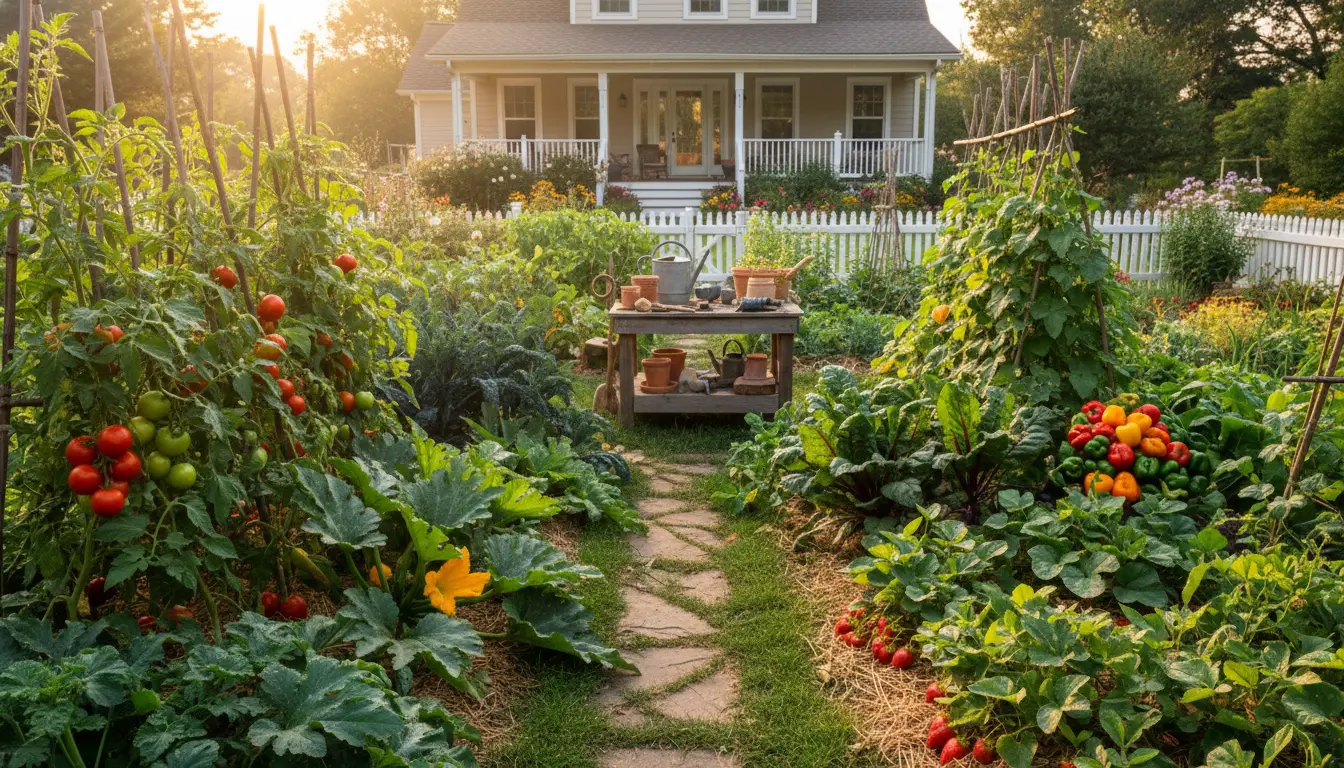
Overview: Why start a vegetable garden
Starting a vegetable garden gives you fresh produce, saves money, and connects you to the seasons. It is practical and approachable for beginners when you follow clear steps.
This guide explains how to start a vegetable garden from planning to first harvest, with actionable tips you can use in any small yard or container space.
How to start a vegetable garden: Plan your garden
Begin by choosing goals and setting realistic expectations. Decide whether you want salad greens, tomatoes, root crops, or herbs and plan space accordingly.
Simple planning items include sunlight hours, available space, and how much time you can commit weekly.
Choose the right location
Most vegetables need 6 to 8 hours of direct sunlight a day. Observe your yard for sun patterns before you place beds or containers.
Pick a spot with good drainage and easy access to water. Proximity to the house reduces time spent carrying tools or hoses.
Decide on beds or containers
Raised beds, in-ground rows, and containers all work. Raised beds warm earlier in spring and improve drainage.
- Raised beds: Good for small yards and improving soil quality.
- In-ground: Cost effective if soil is already healthy.
- Containers: Best for patios and balconies with limited space.
How to start a vegetable garden: Prepare the soil
Healthy soil is the foundation of a productive garden. Test soil pH and nutrient levels using a simple kit from a garden center.
Most vegetables prefer a slightly acidic to neutral pH between 6.0 and 7.0.
Improve soil structure
Add organic matter like compost or well rotted manure to increase fertility and drainage. Work 2 to 3 inches of compost into the top 6 to 8 inches of soil.
For clay soils, add coarse sand and compost to break up compaction. For sandy soils, add compost to increase water retention.
How to start a vegetable garden: Choose plants and planting times
Select vegetables suited to your climate and season. Consult local planting calendars or your extension office for frost dates and timing.
Start with easy crops that give quick rewards, such as lettuce, radishes, beans, and cherry tomatoes.
Starter list for beginners
- Lettuce and other salad greens: fast and forgiving.
- Radishes: harvest in 3 to 4 weeks.
- Bush beans: low maintenance and productive.
- Tomatoes (determinate): compact and high yielding.
- Zucchini: prolific with minimal care.
How to start a vegetable garden: Planting and spacing
Follow seed packet or plant label spacing to avoid overcrowding. Proper spacing reduces disease risk and improves airflow.
Use rows or blocks depending on space. Blocks are often more efficient for pollination and ease of harvest.
Example planting plan
- 4×8 raised bed: 3 tomato plants, a row of lettuce, a row of bush beans, and a small patch of herbs.
- Spacing: tomatoes 24 to 36 inches apart, lettuce 8 to 12 inches, beans 3 to 4 inches.
How to start a vegetable garden: Watering and feeding
Consistent moisture is crucial. Water deeply once or twice a week rather than light daily sprinkling to encourage deep roots.
Mulch around plants to conserve moisture and suppress weeds. Apply a 2 to 3 inch layer of organic mulch like straw or shredded leaves.
Feeding schedule
Apply a balanced organic fertilizer at planting and again 4 to 6 weeks later for most vegetables. Adjust based on soil test recommendations.
How to start a vegetable garden: Pest and disease basics
Start with prevention: clean tools, healthy soil, and crop rotation reduce many problems. Inspect plants regularly for early signs of pests or disease.
Use hand removal, row covers, or organic options like insecticidal soap when needed. Avoid broad spectrum pesticides that harm beneficial insects.
Simple pest control steps
- Inspect leaves weekly for chewing or discoloration.
- Use floating row covers for early season insect protection.
- Encourage beneficial insects with flowering herbs and companion plants.
How to start a vegetable garden: Maintenance and harvest
Weeding, pruning, and harvesting on schedule keeps plants productive. Remove spent plants and add them to compost at season end.
Harvest leafy greens regularly to encourage new growth. Pick tomatoes when they reach full color and feel slightly soft.
Season extension tips
- Use cloches or row covers to protect against light frosts.
- Start seedlings indoors to get a head start on spring.
- Succession plant: sow small batches every 2 to 3 weeks for continuous harvest.
Many common vegetables like lettuce and radishes can be harvested in under 30 days, making them ideal first crops for new gardeners.
Case study: Small raised bed success
Anna, a beginner gardener, started a 4 by 8 foot raised bed in spring. She filled it with a store bought mix and planted three tomato seedlings, two rows of lettuce, and one row of snap peas.
With weekly watering and mulch, Anna harvested salad greens within five weeks and tomatoes by midsummer. Her bed produced enough salad for a small family and taught her simple seasonal care routines.
Final checklist to start a vegetable garden
- Choose a sunny location with good access to water.
- Decide on raised beds or containers based on space.
- Test and amend soil with compost.
- Select easy crops and follow planting dates.
- Mulch, water deeply, and check for pests weekly.
Starting a vegetable garden is a step by step process you can scale to any space. With basic planning and regular, small efforts you will see fast rewards and a steady supply of fresh produce.