
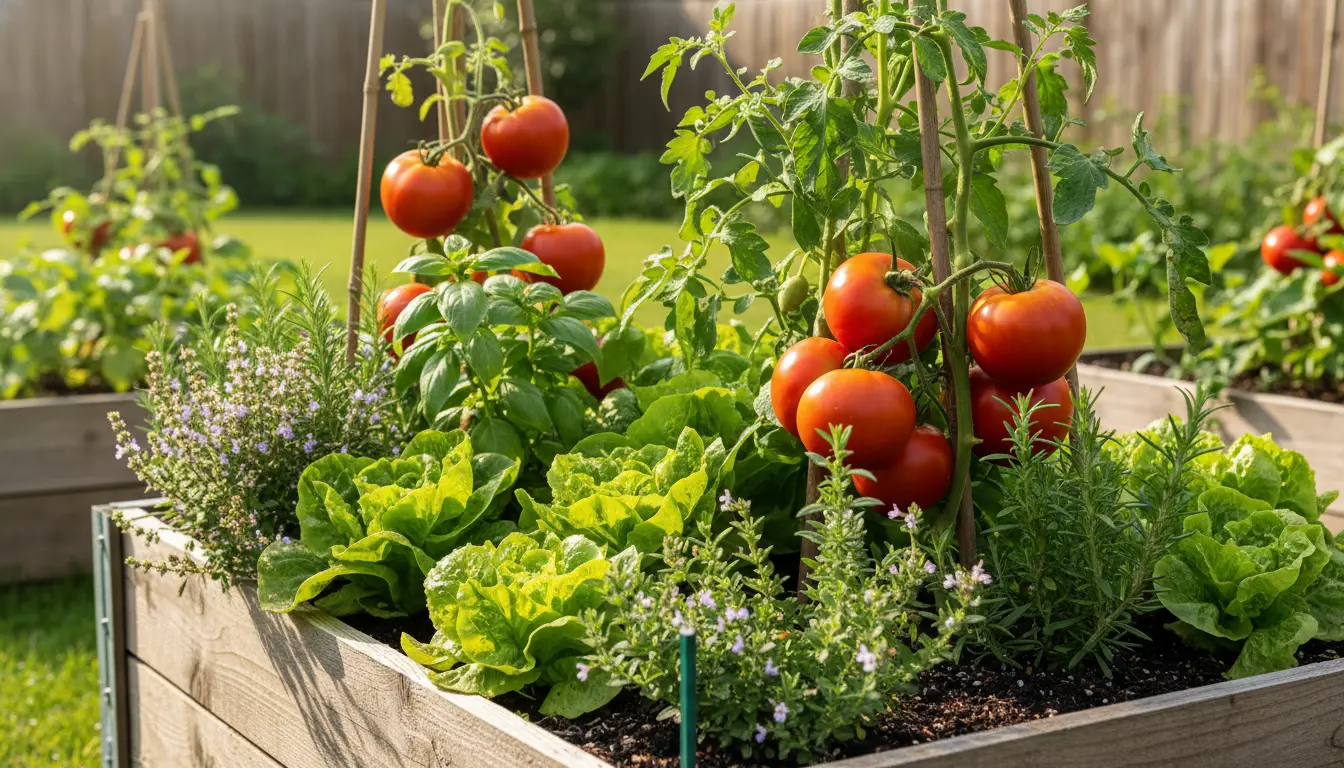
Starting a vegetable garden is one of the most rewarding home projects. This guide explains how to start a vegetable garden step by step with clear, practical actions you can use in a small yard or containers.
How to Start a Vegetable Garden: Planning and Site Selection
Good planning saves time and increases success. Before you buy seeds or soil, assess sunlight, space, and access to water.
Choose the Right Location
How to start a vegetable garden begins with picking a site that gets at least 6 hours of direct sun daily. Avoid low spots that hold water and places shaded by trees or buildings.
Consider convenience: place beds near a hose and close to the kitchen for easy harvesting. If sunlight is limited, use containers or small raised beds in sunnier micro-areas.
Decide on Garden Type
Decide whether you want in-ground rows, raised beds, or container gardening. Each type has trade-offs in cost, soil control, and maintenance.
- In-ground: Lowest cost, needs good native soil.
- Raised beds: Better drainage and soil control, good for small yards.
- Containers: Best for patios and beginners with limited space.
How to Start a Vegetable Garden: Soil and Preparation
Soil quality is the foundation of a productive garden. Test soil or observe plant growth in the area to determine if amendments are needed.
Test and Amend Soil
Take a soil sample or purchase a simple pH test. Most vegetables prefer slightly acidic to neutral soil (pH 6.0–7.0).
Add organic matter such as compost to improve texture and nutrients. For raised beds, aim for a mix of quality topsoil, compost, and a light mineral (e.g., sand) if drainage is poor.
Prepare the Bed
Clear weeds and grass, loosen the top 8–12 inches of soil, and work in compost. Level the bed and mark rows or planting spots based on seed packet spacing.
How to Start a Vegetable Garden: Choosing Plants and Layout
Choose vegetables suited to your climate, season, and skill level. Start with a few reliable crops rather than many varieties.
Plant Selection for Beginners
Easy starter plants include lettuce, radishes, bush beans, cherry tomatoes, zucchini, and herbs like basil. These crops tolerate beginner mistakes and offer quick rewards.
- Lettuce: Quick harvest, grows in cooler seasons.
- Radishes: Fast results in 3–6 weeks.
- Tomatoes: Higher yield with minimal care after staking.
- Beans: Good for small plots and enrich soil with nitrogen.
Plan companion planting and crop rotation to reduce pests and maximize space. Use vertical supports for vining plants to save ground area.
How to Start a Vegetable Garden: Planting and Care
Proper planting depth and spacing follow seed packet instructions. Overcrowding reduces airflow and increases disease risk.
Watering and Mulching
New seedlings need consistent moisture; water deeply and less frequently to encourage deep roots. Aim for 1–1.5 inches of water per week depending on weather.
Apply a 2–3 inch mulch layer to retain moisture, suppress weeds, and moderate soil temperature. Keep mulch a few inches away from plant stems.
Pest and Disease Management
Inspect plants weekly for pests and early disease signs. Use physical controls first: handpick pests, use row covers, and remove affected foliage.
Introduce beneficial insects and rotate crops yearly. Reserve chemical controls for severe outbreaks and follow label directions.
Checklist: Before You Begin
- Site gets 6+ hours of sun
- Access to water nearby
- Soil tested and amended as needed
- Simple plan for beds and plant list
- Tools: shovel, trowel, watering can or hose, stakes
Many common vegetables like lettuce and radishes can be harvested in 3 to 6 weeks, giving quick feedback and motivation for new gardeners.
Small Real-World Example
Case Study: Sarah converted a 4×6 foot corner of her lawn into two raised beds. She spent $120 on lumber and soil mix, planted tomatoes, lettuce, basil, and bush beans, and installed a drip hose.
By the second month she had regular salad harvests, and tomatoes produced mid-summer. Her yield covered her family’s fresh salad needs and reduced grocery spending. The key wins were raised beds for better soil, drip irrigation, and starting with easy crops.
Maintenance and Seasonal Tips
Keep a simple calendar: plant cool-season crops in early spring and fall, and heat-loving crops after frost risk passes. Save seeds from simple plants like basil and beans to reduce costs.
Record what you plant and harvest to improve decisions next season. Small adjustments—spacing, sow dates, and variety choices—lead to better yields.
How to start a vegetable garden is mainly about starting small, learning from each crop, and improving soil over time. With basic planning and weekly care, even a compact garden can supply fresh vegetables through the season.
Ready to begin? Pick one sunny spot, select three easy crops, prepare the soil, and plant. Grow from there.