
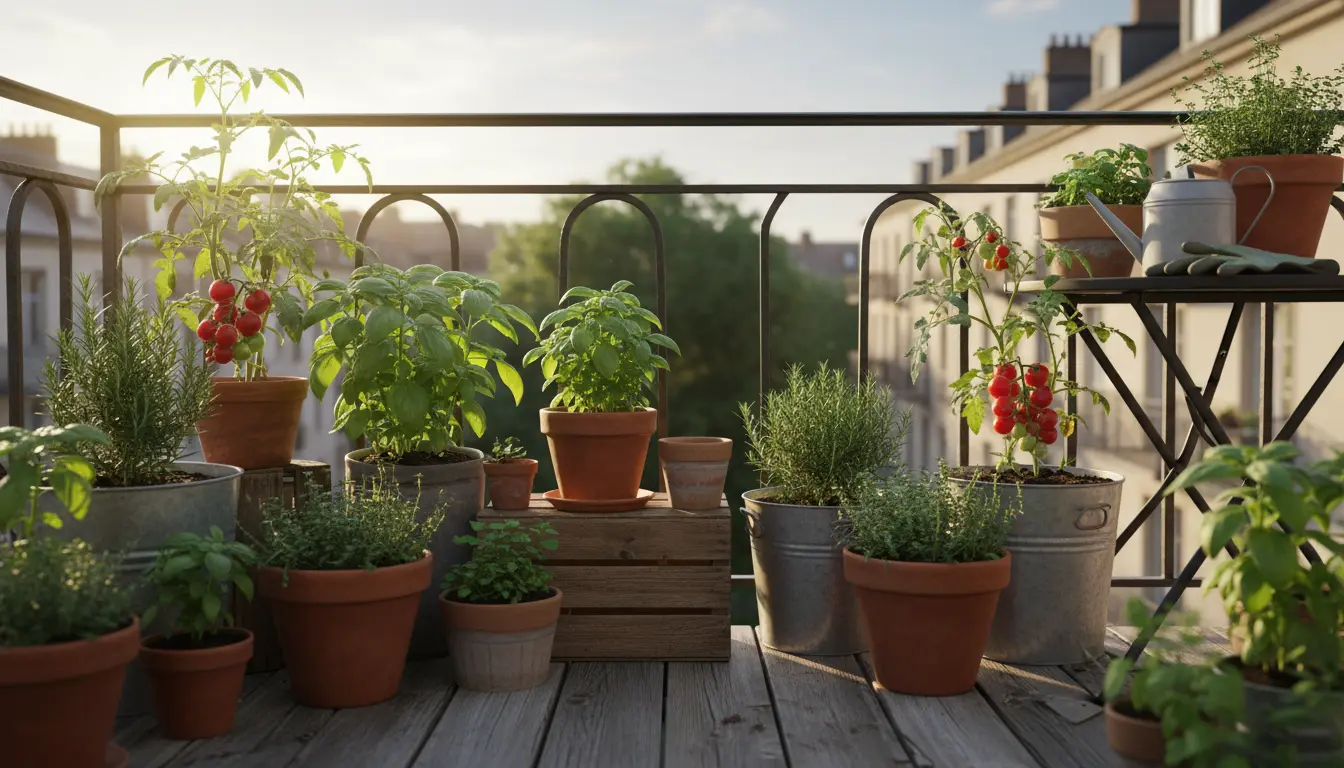
Start a Vegetable Garden: Why Small Spaces Work
Starting a vegetable garden in a small space is practical and accessible. You can grow fresh produce on a balcony, patio, or a small backyard plot with minimal cost and tools.
This guide gives step-by-step instructions to help you plan, plant, and maintain a productive small vegetable garden.
Choose the Right Location to Start a Vegetable Garden
Light is the most important factor. Most vegetables need at least six hours of direct sunlight daily.
Check sunlight patterns for a few days before choosing a spot. Consider east- or west-facing balconies for balanced sun exposure.
Consider Wind, Access, and Drainage
Wind can stress plants and dry soil quickly, so provide windbreaks if needed. Ensure the site is easy to reach for watering and harvesting.
Good drainage prevents root rot. Elevate containers or use raised beds for better control.
Plan What to Grow in a Small Vegetable Garden
Focus on high-value, compact crops that yield well in limited space. Leafy greens, herbs, cherry tomatoes, peppers, and radishes are excellent choices.
Use succession planting to maximize yield: plant quick-maturing crops first, then follow with another round when space frees up.
- Leafy greens: lettuce, spinach, arugula
- Herbs: basil, parsley, cilantro
- Compact fruiting plants: bush tomatoes, dwarf peppers
- Root crops: radishes, baby carrots
Use Containers and Raised Beds
Containers are ideal for small spaces because they are portable and control soil conditions. Choose pots that are deep enough for the root systems of your chosen crops.
Raised beds work well if you have a small yard. They warm faster in spring and improve drainage and root growth.
Container Size Recommendations
Shallow containers (6–8 inches) work for herbs and salad greens. Medium containers (8–12 inches) suit peppers and bush beans.
Large containers (12–24 inches) are best for tomatoes, larger root crops, and plants that need more root volume.
Soil and Fertility for a Productive Vegetable Garden
Use a high-quality potting mix for containers, not garden soil. Potting mixes provide good drainage and aeration, essential for container plants.
Amend raised beds with compost to improve structure and fertility. A balance of organic matter and a reliable slow-release fertilizer gives steady nutrients.
Watering and Irrigation Tips
Small volumes of soil dry out faster than ground beds. Check moisture daily in hot weather and water thoroughly when the top inch of soil is dry.
Use these methods to conserve water and keep plants healthy:
- Drip irrigation or soaker hoses for consistent moisture
- Mulch to reduce evaporation and suppress weeds
- Self-watering containers for steady hydration
Pest and Disease Management
Start with prevention: choose disease-resistant varieties and maintain good air circulation around plants. Regularly remove damaged leaves and keep the area clean.
Use physical barriers like row covers for insect protection. For small outbreaks, hand-picking pests or using insecticidal soap can be effective and safe.
Organic Practices to Try
- Crop rotation in raised beds to reduce soil-borne disease
- Beneficial insects like ladybugs for aphid control
- Compost tea or diluted fish emulsion for gentle fertilization
Harvesting and Ongoing Care
Harvest regularly to encourage more production. Pick leafy greens and herbs frequently, and remove spent plants to make space for new ones.
Keep a simple calendar: sowing dates, fertilizing schedule, and expected harvest windows. This makes small-scale gardening feel manageable.
Many herbs and leafy greens can be cut-and-come-again, providing continuous harvests for months in small containers.
Simple Case Study: Balcony Tomato and Herb Setup
Maria lives in a third-floor apartment with a sunny 6-foot balcony. She used two 20-inch containers and three 8-inch pots to start a small vegetable garden.
She planted a determinate cherry tomato in each large container and basil, parsley, and lettuce in the smaller pots. Maria used a quality potting mix and slow-release fertilizer at planting.
With daily morning watering and weekly checks for pests, Maria harvested tomatoes and cut herbs for salads all season. The setup cost under $150 and produced enough for her household of two.
Quick Checklist to Start a Vegetable Garden
- Choose a sunny location with good access and drainage.
- Select compact, high-yield crops suited to containers.
- Use the right container sizes and quality potting mix.
- Plan watering strategy: drip, self-watering pots, or daily checks.
- Monitor for pests and practice basic organic controls.
- Harvest regularly and replant to keep production steady.
Final Tips for Success
Start small and expand as you gain experience. Small gardens are low-risk and let you learn quickly without wasting space or money.
Keep records of what varieties perform well in your microclimate and adjust plant choices each season. Small, consistent improvements will deliver steady results.