
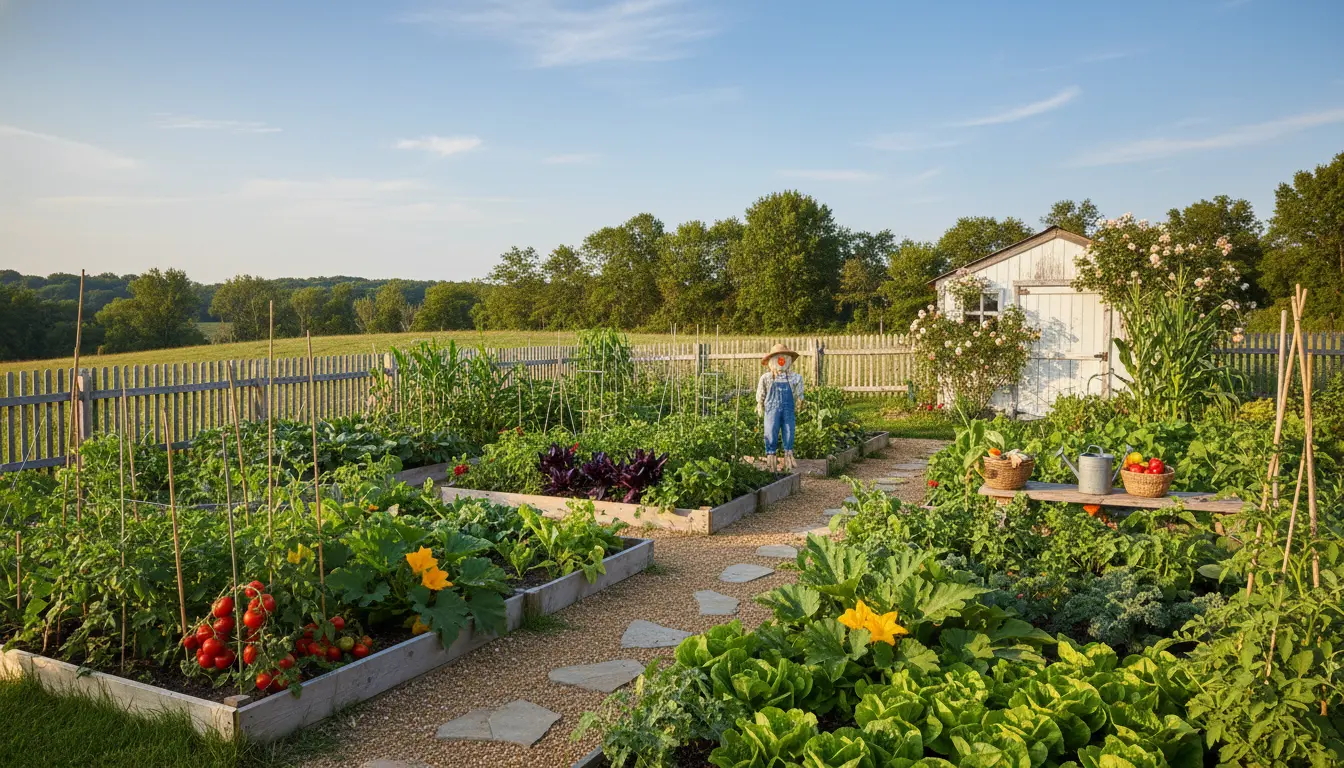
Getting started with a vegetable garden
Starting a vegetable garden is one of the most rewarding home projects. This guide gives clear, practical steps to plan, plant, and maintain a productive vegetable garden for beginners.
Plan your vegetable garden
Decide what you want to grow before you buy supplies. Choose vegetables you like to eat and that match your climate and season.
Consider space, time commitment, and whether you will use raised beds, in-ground plots, or containers.
Choose vegetables for beginners
- Lettuce and salad greens — fast and forgiving
- Radishes — quick harvest, great for learning
- Tomatoes — popular, require staking or cages
- Green beans — productive and low-maintenance
- Herbs like basil and chives — useful and compact
Choose the right site for your vegetable garden
Vegetables need sunlight to produce food. Aim for 6–8 hours of direct sun daily for most crops.
Good drainage and easy access to water are also essential. Avoid low spots that collect water after rain.
Types of garden spaces
- In-ground beds — best if soil is healthy and space is available
- Raised beds — improve drainage and soil control
- Container gardening — ideal for balconies or patios
Soil and compost for a healthy vegetable garden
Healthy soil is the most important factor in a productive garden. Test soil pH if possible; most vegetables prefer pH 6.0–7.0.
Amend soil with compost or well-rotted manure to boost nutrients and structure.
Basic soil mix for raised beds
- 40% topsoil
- 40% compost
- 20% coarse sand or organic material for drainage
Planting and timing for your vegetable garden
Follow seed packet or plant tag directions for spacing and depth. Planting at the right time of year is crucial for success.
Group plants by water needs and sun exposure to simplify care.
Succession planting tips
- Plant quick crops (radishes, lettuce) early and again every few weeks.
- Stagger tomato and pepper transplants to extend harvest.
- Use cool-season crops in spring and fall for continuous production.
Watering and feeding your vegetable garden
Consistent watering encourages steady growth and reduces pest problems. Aim for deep, infrequent watering rather than light daily watering.
Apply a balanced organic fertilizer at planting and then every 4–6 weeks for heavy feeders like tomatoes.
Watering methods
- Soaker hoses or drip irrigation deliver water to roots and save moisture.
- Mulch with straw or wood chips to reduce evaporation and suppress weeds.
Pest and disease management in a vegetable garden
Monitor plants regularly for pests and disease. Early detection prevents small problems from becoming big ones.
Use integrated pest management principles: cultural controls, physical barriers, and targeted organic treatments when needed.
Simple pest control steps
- Rotate crops each year to reduce soil-borne diseases.
- Hand-pick large pests like caterpillars or slugs.
- Encourage beneficial insects by planting flowers and herbs.
Harvesting and storing from your vegetable garden
Harvest vegetables at peak ripeness for the best flavor and nutrition. Many crops keep producing if regularly picked, such as beans and zucchini.
Store harvests properly: cool, dry storage for root crops and refrigeration for tender greens.
Some vegetables, like tomatoes and peppers, produce more fruit when nights are warm and plants receive consistent moisture.
Small real-world example: A balcony vegetable garden case study
Case study: Maria, a city renter, used three 12-inch containers and two 2×4 raised beds on her balcony. She chose cherry tomatoes, basil, lettuce, and bush beans.
After one season Maria harvested 20+ pints of tomatoes and daily salad greens. Key changes she made: regular watering with a drip timer, weekly liquid feed, and rotating lettuce plantings every two weeks.
Common beginner mistakes and how to avoid them
- Planting too much at once — start small and expand next season.
- Overwatering or underwatering — check soil moisture 1–2 inches below the surface.
- Neglecting soil quality — add compost annually to maintain fertility.
Quick checklist to start your vegetable garden
- Choose a sunny spot with good drainage
- Decide on beds or containers
- Amend soil with compost
- Select easy crops for your climate
- Set up watering and mulch to conserve moisture
- Monitor and harvest regularly
Starting a vegetable garden is largely about planning, soil health, and consistent care. With a small investment of time and thoughtful choices, beginners can enjoy fresh produce and steady improvement season to season.