
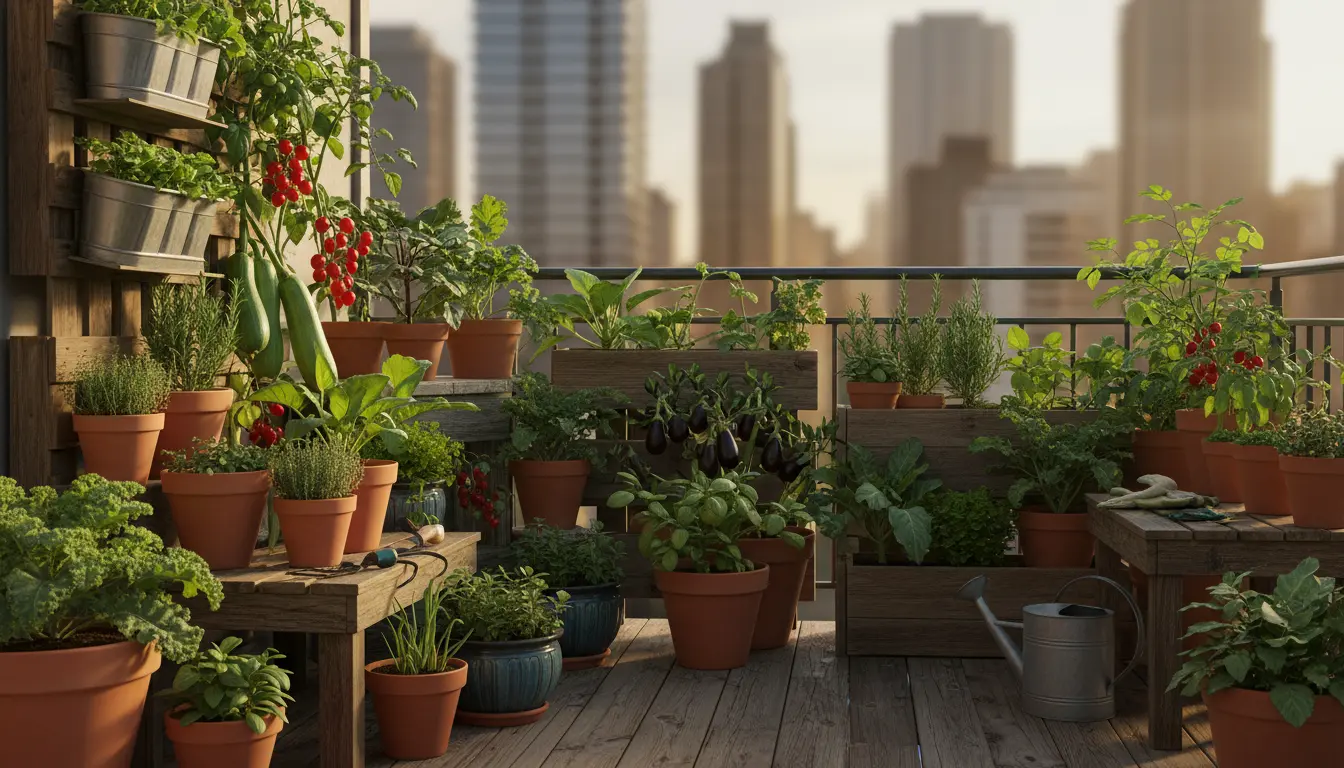
Starting a small vegetable garden is practical and affordable. This guide gives step-by-step instructions you can use on a balcony, patio, or small backyard.
Plan Your Small Vegetable Garden
Good planning saves time and money. Decide where to place your small vegetable garden and what you want to grow before buying supplies.
Choose the right location for a small vegetable garden
Select a spot with at least 4–6 hours of direct sunlight for most vegetables. If sunlight is limited, pick leafy greens and herbs that tolerate partial shade.
Decide on beds or containers
Containers and raised beds work well for small spaces. Containers are portable and easier for beginners, while raised beds offer better soil control and drainage.
Prepare Soil and Containers
Healthy soil is the foundation of a productive small vegetable garden. Use quality potting mix for containers and a mix of compost and topsoil for beds.
Soil mix for a small vegetable garden
- Containers: Use a lightweight potting mix with compost and perlite for drainage.
- Raised beds: Mix garden soil with compost and a small amount of coarse sand if drainage is poor.
- Test and amend: Check pH (6.0–7.0 is ideal) and add lime or sulfur only if needed.
Choose Plants for a Small Vegetable Garden
Pick compact, high-yield varieties suited to your space. Focus on easy-to-grow crops for the first year to build confidence and skills.
Best plants for a small vegetable garden
- Leafy greens: Lettuce, spinach, and arugula are quick and space-efficient.
- Herbs: Basil, parsley, and chives need little room and are rewarding.
- Compact fruiting veggies: Cherry tomatoes, dwarf peppers, and bush beans produce well in containers.
- Root crops: Radishes and baby carrots suit shallow containers and quick harvests.
Planting and Spacing Tips for a Small Vegetable Garden
Correct spacing reduces disease and competition. Use succession planting to maximize yield from limited space.
- Follow seed packet spacing for each crop, but consider thinning to the stronger seedlings.
- Interplant fast growers (radishes) with slower crops (carrots) to make the most of space.
- Use vertical supports for vining plants to free ground space.
Watering and Fertilizing a Small Vegetable Garden
Consistent water and nutrition are essential. Small gardens dry out faster, so set a watering routine and feed plants regularly.
Watering tips
- Water deeply and less frequently to encourage strong roots.
- Containers may need daily watering in hot weather; raised beds can be every 2–3 days.
- Use soaker hoses or drip irrigation to reduce evaporation and wet foliage less.
Fertilizing tips
Use a balanced organic fertilizer or compost tea every 3–4 weeks during the growing season. Slow-release granular fertilizers work well at planting time.
Planting basil near tomatoes can improve tomato flavor and may help deter some insect pests naturally.
Pest and Disease Management in a Small Vegetable Garden
Prevention is the best control. Good air circulation, clean tools, and crop rotation reduce most problems in a small vegetable garden.
- Inspect plants weekly for holes, spots, or pests.
- Handpick larger pests like slugs and caterpillars.
- Use row covers to protect seedlings from insects while they establish.
Harvesting and Maintenance
Harvest regularly to encourage ongoing production. Many vegetables produce more when you pick them frequently.
- Pick leafy greens early for tenderness.
- Harvest tomatoes when they reach full color and pull gently to avoid plant damage.
- Keep soil topped up in containers and refresh compost yearly for long-term health.
Small Vegetable Garden Case Study
Maria, a renter with a sunny balcony, started a small vegetable garden in six 12-inch containers. She chose cherry tomatoes, basil, leaf lettuce, and radishes for quick results.
Within eight weeks, she harvested multiple salads and a steady supply of herbs. Her keys to success were choosing compact varieties, watering each morning, and feeding plants with a liquid organic fertilizer every three weeks.
Simple Tools and Budget Checklist for a Small Vegetable Garden
- Containers or a raised bed kit
- Quality potting mix or compost
- Basic hand tools: trowel, pruning shears, watering can
- Support: stakes or trellises for vining plants
Final Tips for a Successful Small Vegetable Garden
Start small and expand as you gain experience. Track what works and what does not in a simple garden notebook.
Regular care, smart plant choices, and attention to soil will help you grow produce even in the smallest spaces. With a little planning, a small vegetable garden can provide fresh food and satisfaction all season.