
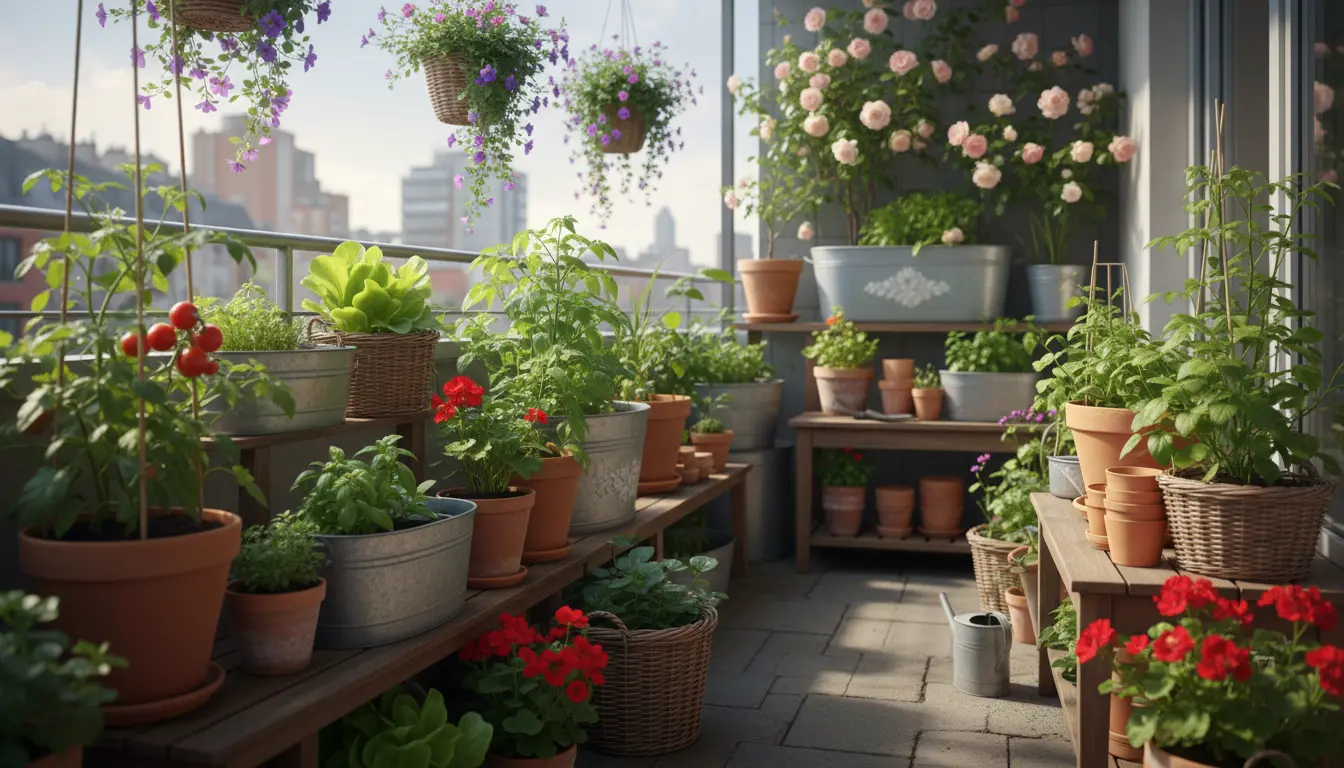
Why Choose a Container Vegetable Garden
A container vegetable garden is a practical option for people with limited space. It lets you grow fresh produce on a balcony, patio, or small yard without ground beds.
Containers keep soil manageable, reduce weeds, and let you control drainage and nutrients. They are also portable, so you can move plants for sunlight or protection.
How to Start a Container Vegetable Garden: Basic Steps
Starting a container vegetable garden requires planning but not a large budget. Follow these clear steps to get consistent results from the first season.
1. Choose the Right Location for Your Container Vegetable Garden
Most vegetables need 6–8 hours of direct sunlight each day. Check sun patterns for a full week before placing containers.
Also consider wind exposure and access to water. A sheltered spot near a faucet makes watering easier and protects plants from strong gusts.
2. Pick Suitable Containers
Use containers with drainage holes to prevent root rot. Sizes vary by plant: small herbs do well in 1–3 gallon pots, while tomatoes and peppers need 5–10 gallon containers.
Materials like plastic, fabric, ceramic, and wood each have trade-offs in weight and moisture retention.
- Small containers: herbs, lettuce, radishes
- Medium containers: bush beans, peppers, dwarf eggplant
- Large containers: indeterminate tomatoes, cucumbers, squash
3. Use the Right Soil and Fertilizer
Choose a high-quality potting mix designed for containers; avoid garden soil which compacts and drains poorly. A good mix contains peat or coir, perlite, and compost.
Fertilize regularly because nutrients wash out with watering. Balanced slow-release fertilizer at planting plus liquid feed every 2–3 weeks works well.
4. Select Vegetables for Containers
Choose compact or determinate varieties labeled for containers when possible. Quick-growing crops give faster returns and fit well in limited space.
- Easy starters: lettuce, spinach, radishes, herbs
- Moderate: peppers, bush beans, dwarf tomatoes
- Large or vining with supports: cucumbers, indeterminate tomatoes, small squashes
Watering and Care for a Healthy Container Vegetable Garden
Container gardens dry out faster than ground beds. Check soil moisture daily in hot weather and water when the top 1 inch of soil feels dry.
Use deep watering to encourage roots to grow downward. Early morning watering reduces evaporation and disease risk.
Pest and Disease Management
Inspect plants regularly for aphids, slugs, and fungal issues. Remove affected leaves early and use organic controls like neem oil when needed.
Rotate crops in containers yearly by cleaning pots and replacing most of the potting mix. This reduces disease carryover.
Practical Layouts and Space-Saving Tips for Container Vegetable Garden
Maximize production in small spaces using vertical supports and staggered planting. Mix fast growers with longer-season crops in the same pot to get continuous harvests.
Examples of space-saving ideas:
- Stack planters or tiered shelving for herbs and lettuce
- Trellises for vining cucumbers and compact beans
- Window boxes for fresh basil and chives
Small Case Study: Balcony Success with a Container Vegetable Garden
Maria, an apartment renter, turned a 6-foot balcony into a productive container vegetable garden. She used five 5-gallon containers and two hanging baskets.
Her planting plan: one container for a determinate tomato, one for a pepper, two for mixed herbs, and one for lettuce and radishes. She added a simple trellis for the tomato and fed plants weekly with a liquid fertilizer.
By mid-summer she harvested fresh salad greens twice a week, several pints of cherry tomatoes, and enough basil for regular use. Her total cost for containers and soil was modest, and the setup is portable for future moves.
Common Mistakes to Avoid in a Container Vegetable Garden
Beginners often under-pot or over-water container plants. Use appropriately sized containers and check moisture before adding water.
Another mistake is using garden soil or cheap mixes without nutrients. Invest in a good potting mix and replenish fertilizer during the season.
Tomato roots need at least 5 gallons of soil to develop fully. Smaller pots cause stress and reduce fruiting.
Seasonal Tips for a Container Vegetable Garden
Start seeds indoors in early spring for a longer harvest window, or buy seedlings to transplant. For summer heat, provide afternoon shade or reflective white walls to lower temperatures.
In cooler months, move containers to a protected area and use frost cloths for late-season crops. Consider cold-hardy greens like kale for fall and winter harvesting.
Final Checklist for Your First Container Vegetable Garden
- Pick a sunny location with water access
- Choose containers with proper drainage and size for the crop
- Use quality potting mix and plan a feeding schedule
- Select compact or container-suitable vegetable varieties
- Set up supports and monitor water and pests regularly
Starting a container vegetable garden is an achievable project that yields fresh produce and satisfaction. With the right containers, soil, and routine care, even small spaces can become productive vegetable gardens.