
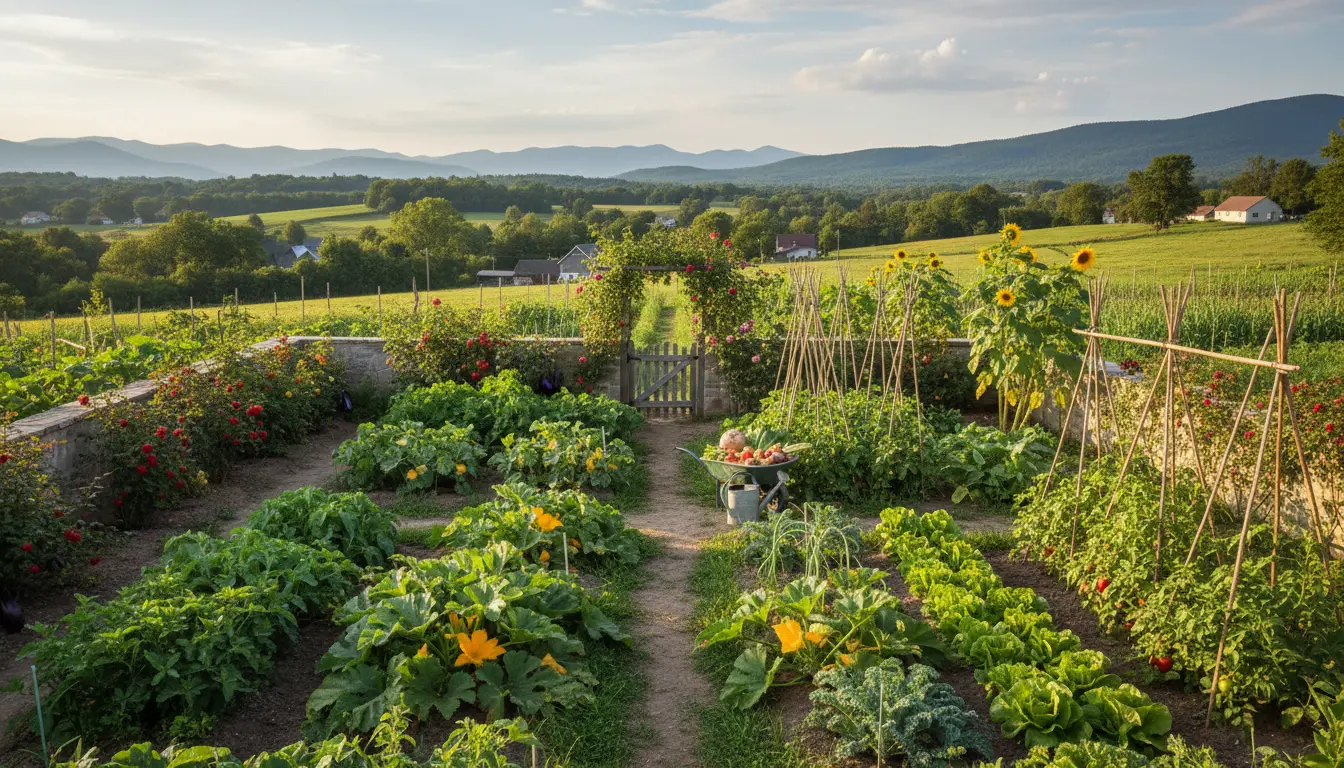
Starting a vegetable garden is a practical way to grow fresh food, save money, and enjoy time outdoors. This guide explains how to start a vegetable garden with clear steps you can follow this season.
How to Start a Vegetable Garden: Choose the Right Location
Location sets the stage for success. Pick a spot that gets at least 6 to 8 hours of direct sunlight daily for most vegetables.
Also consider access to water, drainage, and how close the bed will be to your home. Ease of access makes routine care far more likely.
How to Start a Vegetable Garden: Assess Sun and Space
Mark sun patterns over a few days to confirm light. Note shaded hours and moving shade from trees or buildings.
Decide between in-ground rows, raised beds, or containers based on space and soil quality.
How to Start a Vegetable Garden: Prepare the Soil
Good soil is the backbone of a productive garden. Vegetables prefer loose, well-draining soil rich in organic matter.
Test the soil pH and nutrient levels with a home kit or local extension service to guide amendments.
- Loosen compacted soil to about 12 inches deep for root crops.
- Add 2–3 inches of compost and mix it into the top 6–8 inches.
- Adjust pH if needed: most vegetables prefer pH 6.0–7.0.
How to Start a Vegetable Garden: Choose Plants for Your Climate
Select vegetables suited to your hardiness zone and season. Cool-season crops include lettuce, spinach, and peas.
Warm-season crops like tomatoes, peppers, and cucumbers need frost-free conditions and more heat.
How to Start a Vegetable Garden: Plan Planting and Layout
Create a planting plan before cutting beds. Group plants with similar water and light needs together.
Use spacing guides on seed packets or plant tags to avoid overcrowding, which can reduce yields and increase disease risk.
- Interplant quick-growing crops (radishes) between slower ones (cabba ge) to use space efficiently.
- Use vertical supports for vining plants to save ground space.
- Leave paths for easy access and harvesting.
How to Start a Vegetable Garden: Starting Seeds vs. Buying Starts
Seeds are cheaper and offer more variety, but they require time and a place to germinate. Starts (young plants) are easier for beginners and give a head start.
Match your choice to your timeline: start seeds indoors if you have the space, or buy healthy seedlings from a trusted nursery.
How to Start a Vegetable Garden: Watering and Care
Consistent watering is essential. Most vegetables need about 1 inch of water per week, supplied deeply rather than via frequent shallow sprays.
Use drip irrigation or soaker hoses to deliver water at soil level and reduce leaf wetness that can encourage disease.
- Water early in the morning to reduce evaporation and fungal problems.
- Mulch with straw or shredded leaves to retain moisture and suppress weeds.
- Fertilize based on soil test recommendations; over-fertilizing can be harmful.
How to Start a Vegetable Garden: Pest and Disease Management
Monitor plants weekly for signs of pests and disease. Early detection makes problems easier to manage.
Use integrated pest management (IPM): physical barriers, handpicking, biological controls, and targeted organic treatments when needed.
How to Start a Vegetable Garden: Cleanliness and Rotation
Practice crop rotation and remove diseased plant material each year. Clean tools between beds to avoid spreading pathogens.
Rotate plant families to different beds to reduce buildup of soil pests and diseases.
How to Start a Vegetable Garden: Harvesting and Storage
Harvest vegetables at peak ripeness for best flavor and nutrition. Frequent picking often encourages more production.
Store produce properly: leafy greens keep longer when washed and wrapped in a damp towel, while root vegetables prefer cool, dark storage.
Small Real‑World Case Study
Case study: Sarah, a beginner gardener in Portland, started two 4×8 raised beds. She amended local clay soil with compost and planted tomatoes, kale, carrots, and bush beans.
Within one season she harvested regular salads and several jars of preserved tomatoes. Her key changes: consistent morning watering, mulching, and adding compost monthly.
Quick Checklist to Start Today
- Choose sunny location and measure space.
- Test soil and add compost.
- Decide seeds vs. starts and create a planting schedule.
- Set up watering system and mulch.
- Monitor for pests and rotate crops next year.
Home vegetable gardens can reduce grocery spending and often yield fresh produce that contains more nutrients than store-bought options picked earlier and shipped long distances.
Final Tips on How to Start a Vegetable Garden
Start small and expand as you gain confidence. Small, well-maintained beds produce more than large, neglected areas.
Keep a garden journal: note planting dates, seed varieties, and what worked. Learning from one season improves the next.
Following these steps will get you started with a productive vegetable garden. With simple planning and weekly care, you can enjoy fresh homegrown produce within months.