
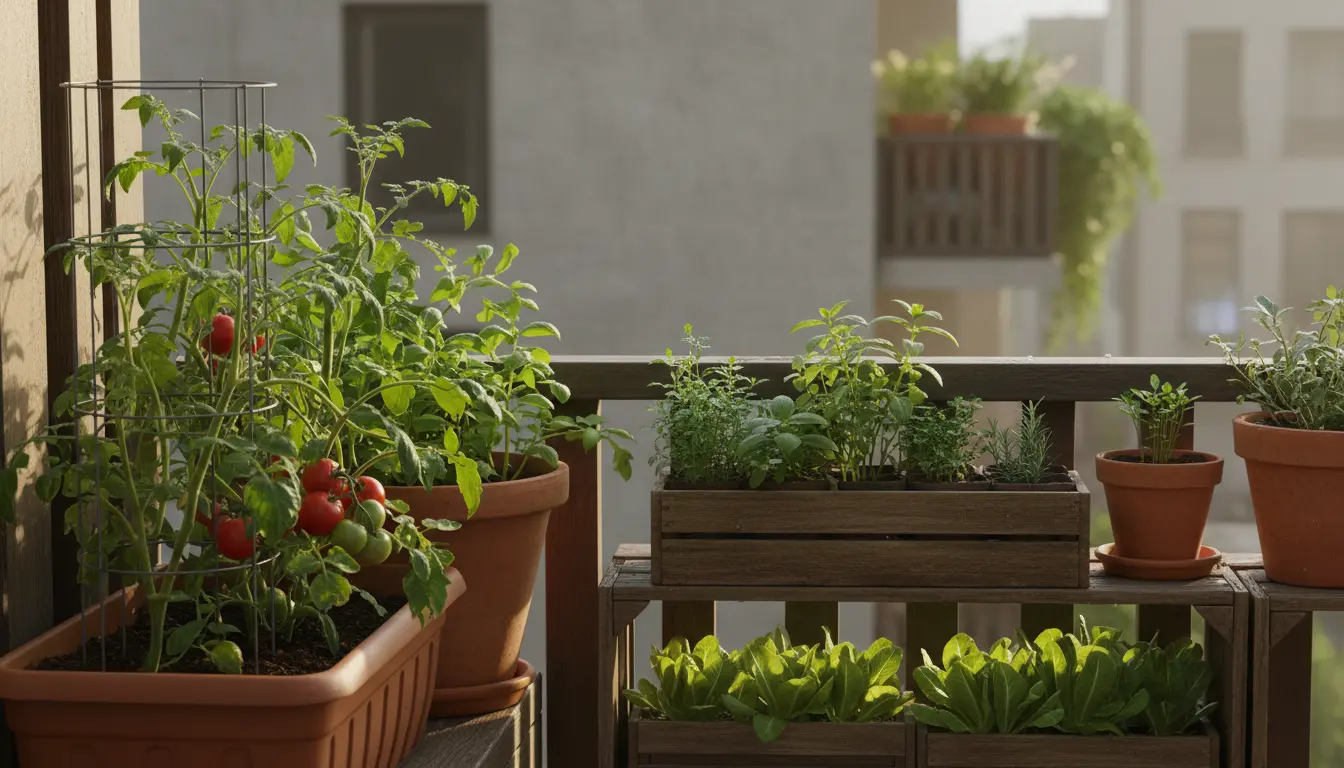
Starting a small vegetable garden at home is rewarding and practical. This guide shows clear, actionable steps you can use whether you have a balcony, patio, or a small backyard.
Why start a small vegetable garden
A small vegetable garden saves money and gives fresher, tastier produce. It also reduces trips to the store and can improve your diet.
Gardening in a compact space is lower risk and needs less time than a large plot. You can scale up as you learn what grows well for you.
Planning your small vegetable garden
Good planning prevents common mistakes and saves effort. Focus on location, container choice, and plant selection.
Choosing location and sunlight for your small vegetable garden
Most vegetables need 6–8 hours of direct sun. Observe light patterns for a few days to pick the best spot.
If sunlight is limited, select shade-tolerant crops or use reflective surfaces to increase light.
Choosing plants for a small vegetable garden
Pick plants that fit your space and skill level. For beginners, choose fast-growing, compact varieties.
- Easy choices: lettuce, radishes, spinach, bush beans.
- Container-friendly: cherry tomatoes, peppers, herbs, baby carrots.
- Smooth learning curve: succession plant small batches to avoid waste.
Soil and containers for a small vegetable garden
Healthy soil is the most important factor for a successful small vegetable garden. Use a good-quality potting mix for containers or amend existing soil in raised beds.
Key soil features: light texture, good drainage, and steady nutrients. Mix compost or well-rotted manure at 20–30% volume to improve fertility and structure.
- Container options: 10–20 gallon pots for tomatoes and peppers, shallow trays for lettuce and herbs.
- Raised beds: 12–18 inches deep to accommodate roots and retain moisture.
- Drainage: ensure pots have holes and add a layer of coarse material if needed.
Planting and care in a small vegetable garden
Plant at the right time: follow seed packet dates for your climate zone. Seedlings purchased from a nursery should be hardened off for a week before planting outside.
Give each plant enough space; overcrowding reduces airflow and increases disease risk. Follow spacing guidelines for each crop.
Watering and feeding your small vegetable garden
Water deeply and less often to encourage strong roots. Most vegetables need about 1 inch of water per week, adjusted for heat and container size.
Fertilize with a balanced, slow-release fertilizer or use liquid feeds during the growing season. Observe plants: yellowing leaves or poor growth often signal nutrient needs.
Pest control and maintenance for a small vegetable garden
Inspect plants weekly and remove damaged leaves. Use physical barriers like mesh or collars to protect seedlings from slugs and small mammals.
Prefer organic controls: hand-picking, neem oil, or insecticidal soap for soft-bodied pests. Encourage beneficial insects by planting flowers like marigold or calendula.
Harvesting and scaling a small vegetable garden
Harvest crops when they are at peak flavor. Regular picking encourages more production in many vegetables like beans and zucchini.
To scale your small vegetable garden, add a new container or replace a finished crop with a quick-growing one. Track what produced well and expand those success patterns.
Many leafy greens can be harvested multiple times using the cut-and-come-again method. Cut outer leaves and allow the center to keep growing.
Case study: Sarah’s balcony tomato and herb patch
Sarah had a 6-foot balcony with 4 hours of direct sun. She used two 20-gallon containers for determinate cherry tomatoes and three 8-inch pots for basil, parsley, and chives.
Cost: $120 initial (pots, soil, seedlings). Yield: about 10–12 pounds of tomatoes and a constant supply of herbs over one season. Time: 15–20 minutes twice a week for watering, feeding, and light pruning.
Outcome: Fresh salads and reduced grocery trips. Sarah replaced one tomato container mid-season with lettuce for a continuous harvest.
Practical tips and examples for a small vegetable garden
- Start small: limit to 3–6 containers for your first season.
- Succession planting: sow small batches of seeds every 2–3 weeks for continuous harvest.
- Companion planting: grow basil near tomatoes to potentially improve flavor and deter pests.
- Record keeping: note planting dates, harvest amounts, and pest issues to improve next season.
Starting a small vegetable garden is a learning process. Use small experiments, observe results, and adapt methods based on your specific light, space, and climate.
By planning carefully, choosing the right plants, and giving them proper soil and care, you can enjoy fresh produce even in limited space. Begin with one or two easy crops and expand as you gain confidence.