
Why start a vegetable garden
Growing your own vegetables saves money, improves food freshness, and gives you control over how food is grown. A small, well-planned garden can produce a surprising yield even in limited space.
This guide explains the essential steps to start a vegetable garden, with practical tips you can use right away.
Choose the right spot to start a vegetable garden
Sun exposure is the first factor. Most vegetables need 6–8 hours of direct sunlight per day. Observe potential spots for a few days to confirm light patterns.
Also check access to water, proximity to tools, and protection from strong winds or heavy shade.
Soil vs raised beds
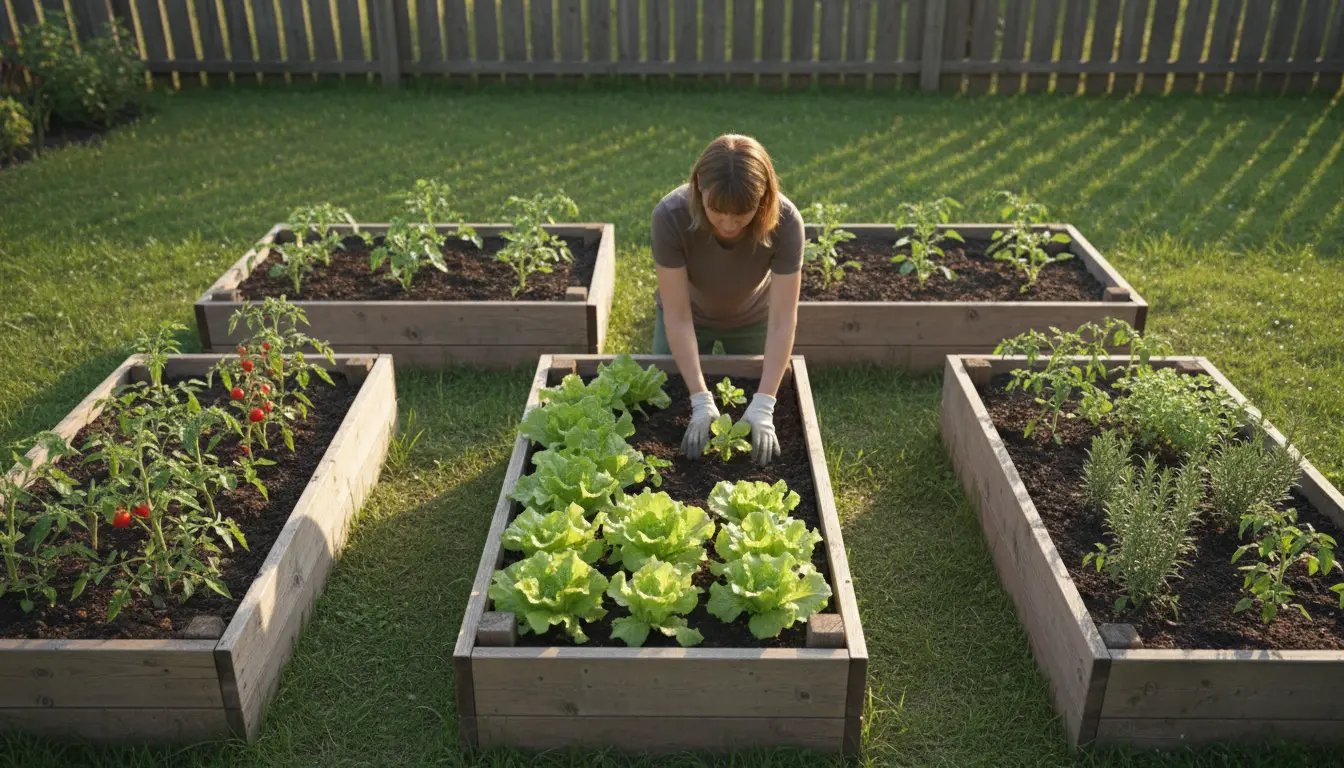
If your soil is compacted, rocky, or poorly drained, raised beds are an efficient option. They warm faster in spring and allow you to control soil mix.
In-ground gardens can be productive where soil is reasonably deep and loose. Either choice can work; the objective is healthy, well-draining soil.
Prepare soil before planting
Healthy soil is the foundation of a productive vegetable garden. Aim for a loose, crumbly texture with plenty of organic matter.
Steps to prepare soil:
- Test soil pH using a simple kit; most vegetables prefer pH 6.0–7.0.
- Work in 2–4 inches of compost to improve structure and fertility.
- Mix in coarse sand or perlite if drainage is poor.
- Avoid tilling deeply if you have a lot of weed seeds; consider sheet-mulching to suppress weeds.
Plan what to grow
Choose vegetables suited to your climate and season. Beginners should start with reliable, low-maintenance crops.
Good starter choices include:
- Leafy greens: lettuce, spinach, chard
- Root vegetables: radishes, carrots, beets
- Fast fruiters: bush beans, cherry tomatoes
- Herbs: basil, parsley, chives
Consider spacing and succession planting
Read seed packet spacing recommendations. Use succession planting: sow a new small bed every 2–3 weeks for a continuous harvest.
Mix quick crops (radishes) with longer ones (tomatoes) to make efficient use of space.
Planting and watering basics
Plant at the depth specified on seed packets or plant tags. For transplants, set them so the root crown is level with the soil surface.
Water deeply and less frequently rather than shallow daily watering. Aim for moist soil 1–2 inches below the surface.
- Early morning watering reduces disease risk and water loss.
- Use mulch to conserve moisture and suppress weeds.
- Consider drip irrigation or soaker hoses for consistent moisture.
Maintenance and common issues
Regular tasks include weeding, monitoring for pests, and feeding plants. Inspect plants weekly for signs of stress.
Integrated pest strategies work best: handpick pests, use row covers for young plants, and encourage beneficial insects with flowering plants.
Fertilizing and feeding
Start with compost in the soil and supplement with balanced organic fertilizer mid-season if growth slows. Avoid over-fertilizing leafy crops if you want fruits and roots.
Harvesting and storage
Harvest frequently for peak flavor and to encourage continued production. Pick leafy greens when young, and harvest tomatoes when fully colored and slightly soft to the touch.
Store produce appropriately: cool leafy greens quickly, and keep root vegetables in cool, dark conditions to extend shelf life.
Many common vegetables can yield multiple harvests: a single tomato plant can produce dozens of tomatoes over a season, while leaf lettuce allows repeated cut-and-come-again harvests.
Small case study: A balcony garden that delivered
Maria had a 6-foot balcony and wanted fresh vegetables. She used three 16-inch deep containers and a south-facing rail planter. Her choices were cherry tomatoes, basil, and mixed salad greens.
By using a high-quality potting mix, watering daily with a drip timer during hot weeks, and feeding with a liquid fertilizer every two weeks, she harvested salad greens for four months and 30+ tomatoes over the summer.
Quick checklist to start a vegetable garden
- Choose a sunny location and check water access.
- Test and improve soil with compost.
- Select 3–6 easy crops for your first season.
- Plant at correct spacing and water deeply.
- Mulch, monitor pests, and harvest regularly.
Final tips to help you start a vegetable garden
Begin small to avoid feeling overwhelmed. Keep records of what you plant, sow dates, and results so you can improve next season.
Use local resources: garden centers, cooperative extension services, and community gardens are great for regional advice and seed recommendations.
Starting a vegetable garden is a practical, rewarding project. With a modest amount of planning and routine care, you can grow a meaningful portion of your own fresh produce.