
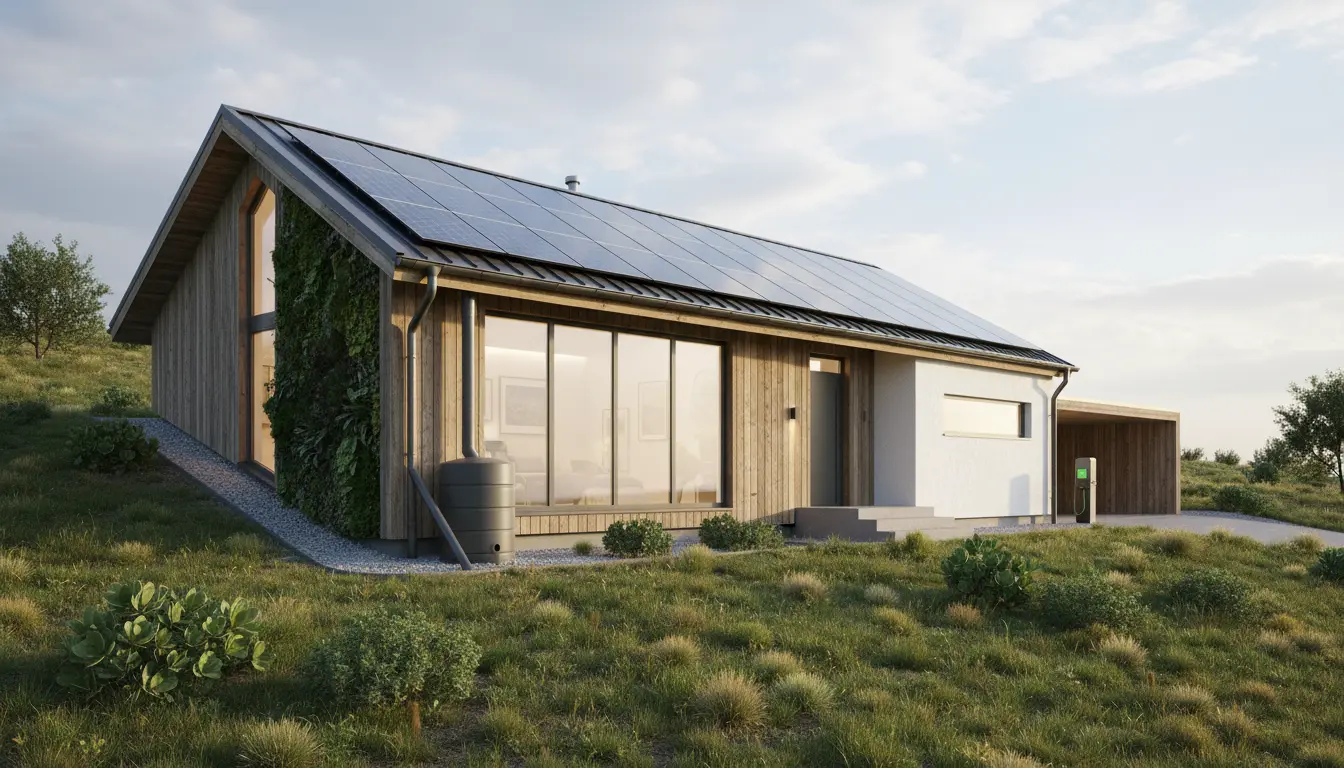
Why Improve Home Energy Efficiency
Improving home energy efficiency reduces utility bills and increases comfort. Small upgrades often pay back within a few years through lower energy costs.
This guide focuses on practical, actionable upgrades you can implement at different budgets. Each section explains what to do, why it matters, and quick tips to start.
Assess Your Current Home Energy Use
Before spending, measure where energy goes. A simple energy audit identifies major losses and the best places to invest.
Options include a professional audit, a DIY checklist, or using your utility’s online tools. Prioritize measures with the fastest payback.
Basic Steps to Assess and Improve Home Energy Efficiency
- Collect recent utility bills to spot seasonal patterns.
- Look for drafts around doors and windows using a candle or thermal camera.
- Inspect insulation levels in the attic and walls.
- Check the age and efficiency rating of HVAC equipment.
Insulation and Air Sealing to Improve Home Energy Efficiency
Insulation and air sealing are the most cost-effective upgrades in many homes. They reduce heat loss in winter and heat gain in summer.
Focus on the attic, rim joists, and gaps around ducts, plumbing and electrical penetrations.
Key Insulation and Sealing Actions
- Add attic insulation to the recommended R-value for your climate zone.
- Caulk and weather-strip doors and windows to stop drafts.
- Seal ductwork in unconditioned spaces with mastic or foil tape.
Upgrade Heating, Ventilation, and Air Conditioning (HVAC)
HVAC systems are often the largest energy users in a home. Improving HVAC efficiency delivers big savings and better comfort.
Start with basic maintenance then consider equipment upgrades when systems are old or failing.
HVAC Improvements That Improve Home Energy Efficiency
- Replace filters every 1–3 months to maintain airflow and efficiency.
- Install a programmable or smart thermostat to reduce waste.
- Consider a high-efficiency furnace, heat pump, or air conditioner if the current unit is 15+ years old.
Windows, Doors, and Passive Measures
Windows and doors can be upgraded or treated to reduce energy loss. Simple, low-cost actions can make a noticeable difference.
Shading, reflective films, and storm windows are often less expensive than full window replacement.
Window and Door Tips to Improve Home Energy Efficiency
- Install weatherstripping and door sweeps to block drafts.
- Use insulated curtains or shades to reduce heat loss at night.
- Replace single-pane windows only when necessary; prioritize high-gain rooms.
Lighting, Appliances, and Behavior Changes
Small changes add up. Switching to efficient lighting and using appliances smartly reduces electricity use immediately.
Behavioral changes require no upfront cost and can cut energy use substantially.
Practical Actions
- Replace incandescent bulbs with LED bulbs for immediate savings.
- Use ENERGY STAR appliances when replacing old units.
- Set water heater temperature to 120°F (49°C) and insulate the tank and pipes.
- Unplug chargers and electronics when not in use or use smart power strips.
Financing and Incentives to Improve Home Energy Efficiency
Many utilities and governments offer rebates, tax credits, or low-interest loans for energy upgrades. These incentives improve the payback of projects.
Check local utility websites or the Database of State Incentives for Renewables & Efficiency (DSIRE) to find programs in your area.
Small Case Study: Bungalow Energy Upgrade
Example: A 1970s 1,200 sq ft bungalow performed an audit and targeted attic insulation, duct sealing, and a smart thermostat.
Costs: $2,800 for materials and labor. Savings: 30% reduction in annual heating and cooling costs, roughly $450 per year.
Payback: About six years. Homeowner reported improved comfort and fewer drafts after work was completed.
Prioritize Projects to Maximize Impact
Use this simple prioritization order to improve home energy efficiency with limited funds:
- Air sealing and insulation in attic and basements.
- HVAC maintenance and thermostat upgrade.
- Lighting and appliance swaps to ENERGY STAR models.
- Window treatments and targeted window upgrades.
Example Budget Allocation
- Under $500: LED bulbs, weatherstripping, thermostat programming.
- $500–$3,000: Attic insulation, duct sealing, pipe and tank insulation.
- $3,000+: New HVAC systems, window replacement for priority rooms.
Next Steps to Improve Home Energy Efficiency
Start with a basic audit and identify the top two measures with the largest expected savings. Book professional work for insulation and HVAC if you lack experience.
Track your monthly bills after upgrades to confirm savings and adjust plans as needed. Small steps over time deliver the best long-term results.
For more detailed planning, consult a certified energy auditor or contractor who can recommend climate-appropriate R-values and equipment sizing.