
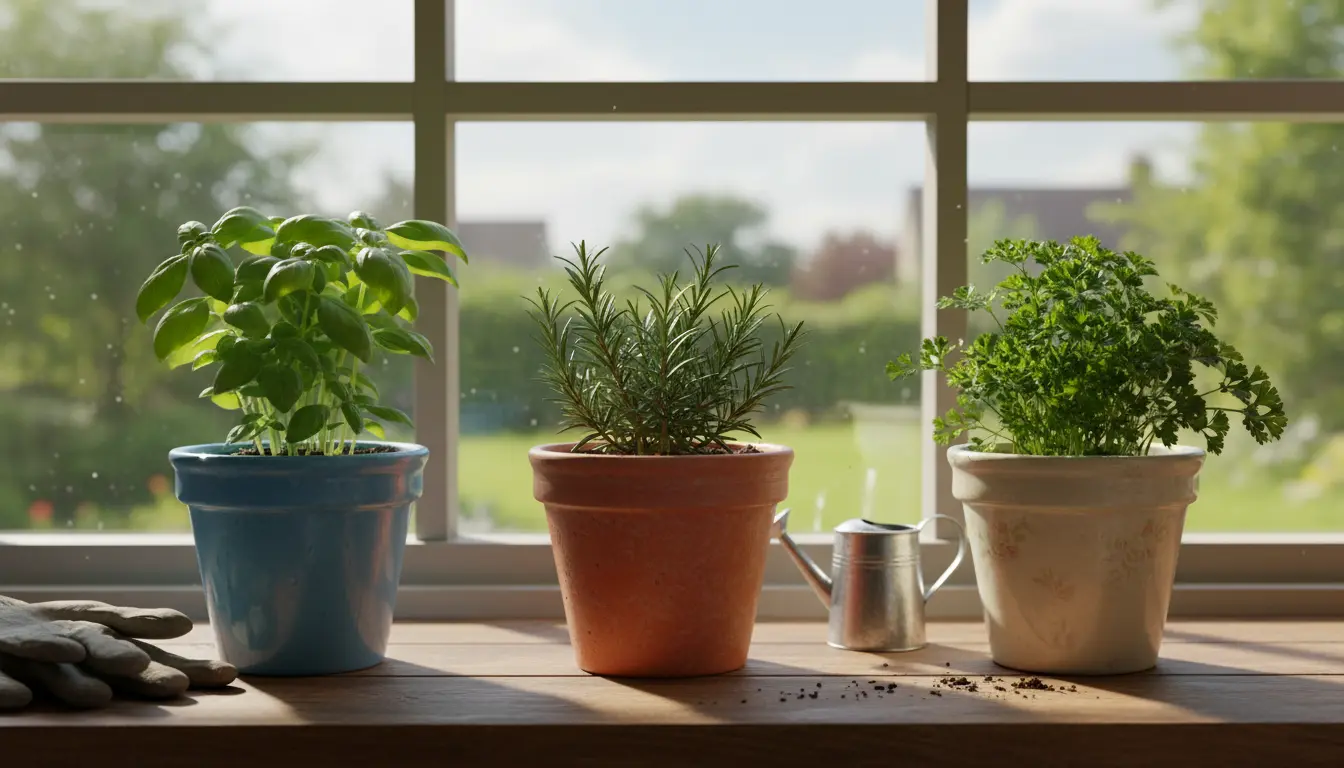
Growing herbs indoors is a practical way to add fresh flavor to meals and bring greenery into small spaces. This guide explains how to grow herbs indoors with clear steps, common mistakes, and a short case study you can replicate at home.
Why grow herbs indoors
Indoor herb gardening saves money and gives you fresh leaves year-round. You can control light, water, and pests more easily than in outdoor beds.
Common herbs for indoor growing include basil, parsley, chives, mint, and thyme. These herbs adapt well to containers and limited space.
How to grow herbs indoors: basic setup
Start with a simple setup: containers, potting mix, light, and a routine. You don’t need a greenhouse, just a sunny window or a small grow light.
Choose the right herbs to grow indoors
Select herbs with low to moderate light needs if natural light is limited. Examples include mint, chives, and parsley.
- Basil and rosemary prefer bright light and warmer temperatures.
- Mint and parsley tolerate partial shade and cooler rooms.
- Start with 2–4 varieties to learn their needs without getting overwhelmed.
Pick containers and soil
Use pots with drainage holes and saucers to prevent waterlogging. Terra cotta, plastic, or ceramic all work well.
Choose a high-quality potting mix labeled for containers or herbs. Avoid garden soil, which compacts and drains poorly.
Provide the right light to grow herbs indoors
Most culinary herbs need 6–8 hours of light. A south- or west-facing window is ideal. If you lack natural light, use a full-spectrum LED grow light for 10–12 hours daily.
- Rotate pots weekly so plants grow evenly.
- Keep lights 6–12 inches above plants to avoid stretching.
Watering and humidity
Water when the top 1–2 inches of soil feel dry. Overwatering is the most common cause of failure for indoor herbs.
Increase humidity by grouping pots together or placing a shallow tray of water nearby. Most herbs tolerate normal indoor humidity but avoid very dry air.
Fertilizing and feeding
Use a balanced liquid fertilizer at half strength every 3–4 weeks during the growing season. Herbs in small pots need regular feeding because nutrients wash out with watering.
Slow-release granular fertilizer mixed into the potting mix can reduce feeding frequency but monitor growth to avoid leggy plants.
Pruning and harvesting
Regular harvesting encourages fuller, bushier growth. Pinch or snip the top 1–2 inches of stems instead of removing large sections.
- For basil, pinch flower buds to keep leaves flavorful.
- For mint and parsley, harvest outer stems first to allow interior growth.
Common problems and troubleshooting when you grow herbs indoors
Yellowing leaves often indicate overwatering or poor drainage. Move the pot to a brighter spot if plants become leggy.
Pests like aphids or spider mites can appear indoors. Wipe leaves with mild soapy water or use insecticidal soap diluted per label instructions.
Preventing mold and root rot
Good airflow and well-draining soil lower the risk of fungal issues. Remove dead leaves and avoid letting pots sit in standing water.
Light-related issues
If plants stretch toward the window, they need more light. Add a grow light or move them closer to the brightest window you have.
Many herbs release stronger aromas after a light water or in the morning when essential oil levels are higher. Harvest before cooking for best flavor.
Small case study: Apartment herb setup
Maria is an apartment renter who wanted fresh herbs for cooking but had no balcony. She placed three 6-inch pots on a south-facing windowsill: basil, parsley, and chives.
She used a well-draining potting mix, a small saucer under each pot, and a timer-controlled LED grow light for cloudy days. Within eight weeks she had continuous harvests and reduced grocery purchases for herbs by half.
Key actions Maria took: consistent light schedule, pruning weekly, and switching pots to larger containers after two months to avoid root crowding.
Quick checklist to start and grow herbs indoors
- Pick 2–4 beginner herbs (basil, mint, chives, parsley).
- Use pots with drainage and quality potting mix.
- Provide 6–12 hours of light (natural or LED grow light).
- Water when top 1–2 inches of soil are dry and avoid overwatering.
- Fertilize lightly every 3–4 weeks during active growth.
- Prune regularly to encourage bushy growth and flavor.
Final tips for success as you grow herbs indoors
Start small and learn each herb’s preferences. Keep notes on watering and light so you can refine care over time.
With simple routines and attention to light and drainage, most beginners can grow herbs indoors successfully and enjoy fresh, homegrown flavors year-round.