
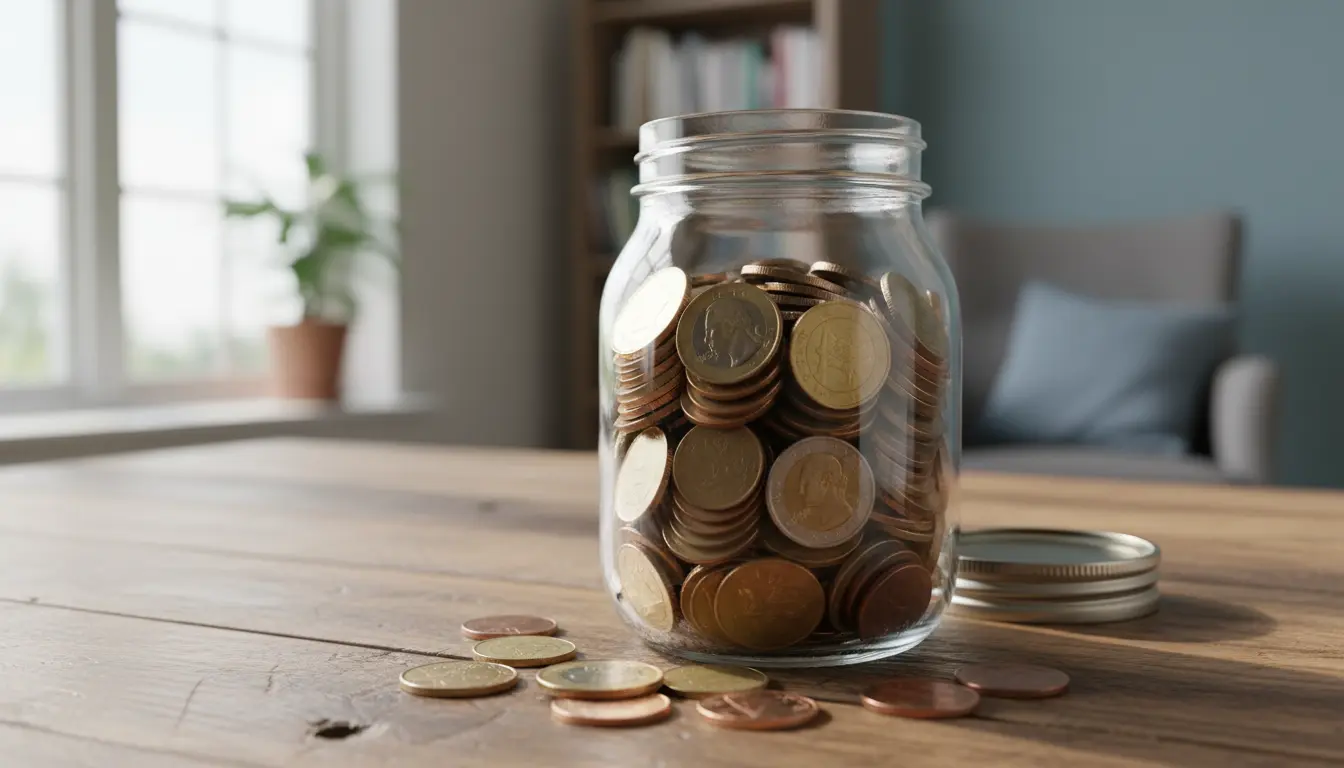
An emergency fund is the cash cushion that helps you handle unexpected expenses without relying on credit. This guide explains practical steps to create and manage an emergency fund, with clear examples and simple methods you can apply immediately.
Why an emergency fund matters
Unexpected costs—car repairs, medical bills, or sudden job loss—can destabilize your finances. An emergency fund reduces stress and keeps credit use low, protecting your credit score and long-term plans.
Financial experts often recommend a dedicated savings buffer instead of using credit cards or high-interest loans for emergencies.
Benefits of an emergency fund
- Provides short-term financial security.
- Prevents debt accumulation during crises.
- Gives time to make thoughtful decisions instead of rushed ones.
How big should your emergency fund be?
The right size depends on your situation. Common guidance gives ranges rather than one-size-fits-all answers.
- Basic buffer: 1 month of essential expenses. Good for single people with stable work.
- Recommended: 3 months of essential expenses. Suitable for most households.
- Extended buffer: 6 months or more. Best for freelancers, small business owners, or those with variable income.
Essential expenses include rent or mortgage, utilities, insurance, food, and minimum debt payments. Calculate these before choosing a target.
Step-by-step plan to build an emergency fund
Follow a simple process to turn the idea of saving into steady progress. The steps below are practical and repeatable.
1. Set a clear target
Decide how many months of essential expenses you need and translate that into a dollar target. Write the number down and break it into monthly or weekly goals.
2. Automate savings
Use automatic transfers from checking to savings on payday. Automation reduces decision fatigue and prevents accidental spending of funds meant for emergencies.
3. Trim recurring costs
Review subscriptions, insurance rates, and utility plans. Cutting a few recurring services can free up enough to fund a starter emergency account within months.
4. Increase income streams
Consider temporary side work, selling unused items, or monetizing a hobby. Even small extra payments can speed up progress when directed straight into your emergency fund.
5. Use windfalls wisely
Direct tax refunds, bonuses, or gifts into your emergency fund first. Treat windfalls as opportunities to reach your target faster rather than extra spending money.
6. Track progress and adjust
Monitor your fund monthly. If income or expenses change, update your target. Keeping visual progress—like a chart or a simple spreadsheet—helps maintain motivation.
Where to keep your emergency fund
Liquidity and safety are the two top priorities. You want quick access without risking losses from market swings.
- High-yield savings accounts: Good balance of accessibility and interest.
- Money market accounts: Slightly higher returns and easy access.
- Short-term certificates of deposit (CDs): Use laddering to keep some funds accessible while earning more interest.
Avoid tying your emergency fund to long-term investments like stocks, which can drop in value exactly when you need cash.
Common mistakes when building an emergency fund
- Mixing funds: Using the same account for bills and emergencies makes it hard to track true savings.
- Underfunding: Saving too little leaves you exposed to common emergencies.
- Over-investing: Putting emergency money into volatile investments can force losses if you sell at the wrong time.
- Ignoring inflation: While safety matters, aim for accounts that at least keep pace with inflation when possible.
Nearly 40% of adults report they would cover an unexpected $400 expense by borrowing or selling something, not from savings. A modest emergency fund can prevent high-cost borrowing.
Small real-world example: A practical case study
Case study: Maria, a graphic designer, wanted a 3-month emergency fund. Her essential expenses were $2,200 per month, so her target was $6,600.
She followed these steps: automated $300 per paycheck to a high-yield savings account, canceled two streaming subscriptions saving $30 per month, and sold unused camera gear for $500. After nine months she reached $6,700 and stopped automatic transfers for a month to review goals.
Result: Maria gained peace of mind and avoided using credit when her car needed a $900 repair. She used the emergency fund and then restarted contributions to replenish it within four months.
How to maintain your emergency fund
After building your fund, maintain it with ongoing contributions or replace money after use. Review your target annually or after major life changes like a new job, baby, or mortgage.
Keep the fund separate and visible. Use account nicknames or a dedicated savings app to avoid confusion.
Quick checklist to get started
- Calculate essential monthly expenses.
- Choose a target (1–6 months).
- Open a dedicated high-yield account.
- Automate transfers and reduce recurring costs.
- Use windfalls and side income to accelerate progress.
With consistent steps and small changes, anyone can build a reliable emergency fund. Start with one clear number, automate the process, and protect your financial stability over time.