
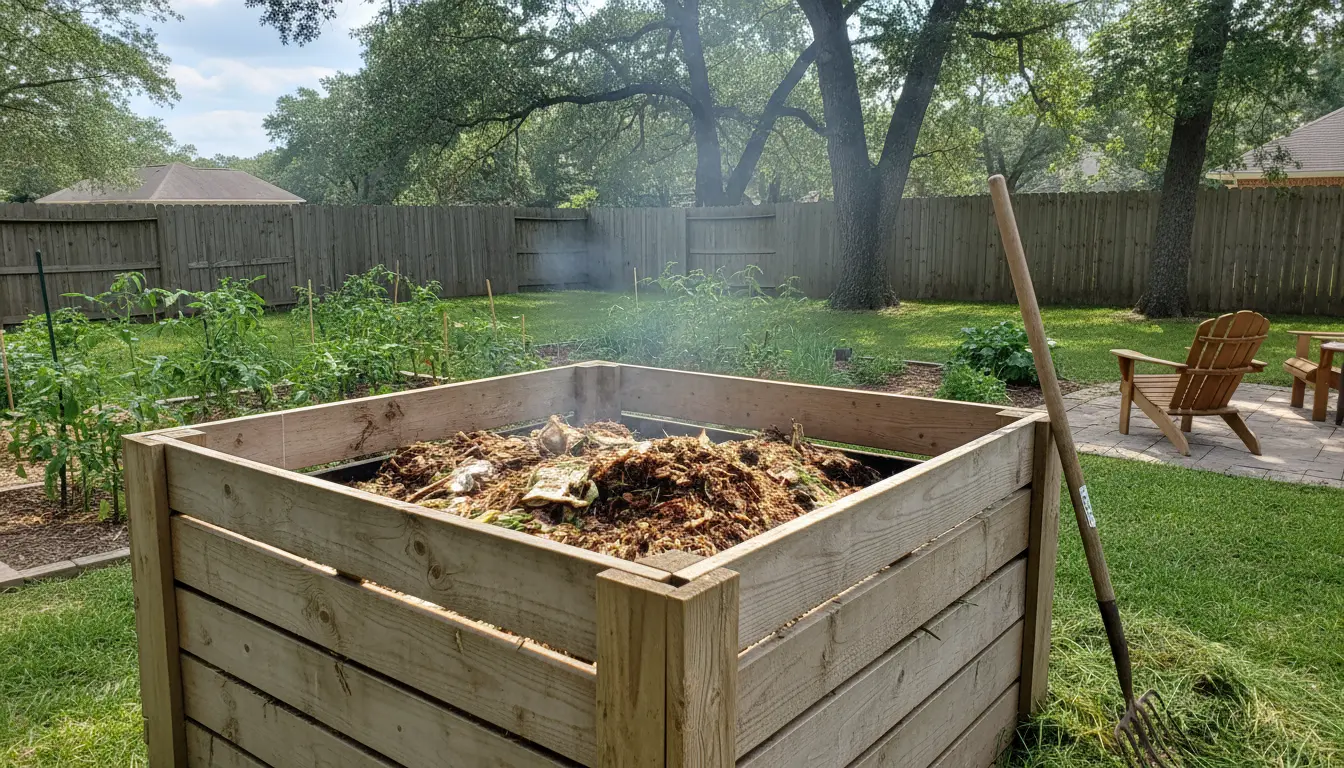
What Is Home Composting?
Home composting is the process of turning kitchen scraps and yard waste into nutrient-rich soil using natural decomposition. It reduces landfill waste and creates a free soil amendment for gardens and potted plants.
Why Home Composting Matters
Composting lowers methane emissions from landfills and returns carbon and nutrients to the soil. It also saves money on fertilizer and improves garden health over time.
How to Start Home Composting
Starting is easier than many people think. You need three basic things: organic materials, a container or space, and basic maintenance.
Choose a Composting Method
Select a method that fits your space and lifestyle. Common options include a backyard compost pile, a covered bin, tumblers, or worm composting for small apartments.
Pick a Location and Container
Place your compost bin in a dry, shaded area with good drainage. For apartments, use a worm bin or a sealed kitchen collection container that you empty into a community bin or outdoor system regularly.
Materials to Compost: Browns and Greens
Effective compost mixes balance carbon-rich “browns” with nitrogen-rich “greens.” Browns provide structure and slow decomposition, while greens speed up the process.
- Greens: fruit and vegetable scraps, coffee grounds, fresh grass clippings, plant trimmings
- Browns: dry leaves, straw, cardboard, shredded paper, wood chips
- Do not compost: meat, dairy, oily foods, pet waste, or diseased plants
Step-by-Step Composting Process
Follow a simple routine to keep your compost healthy and active. Consistent attention prevents odors and pests.
- Start with a layer of coarse material for airflow, like small branches or straw.
- Add alternating layers of greens and browns, aiming for roughly a 2:1 ratio of browns to greens by volume.
- Keep the pile moist like a wrung-out sponge; add water if it’s too dry.
- Turn the pile every 1–2 weeks with a pitchfork or use a tumbler to speed decomposition.
- Harvest finished compost when it is dark, crumbly, and smells earthy—typically 2–6 months depending on conditions.
Maintenance Tips for Faster Composting
Simple maintenance improves speed and quality. Monitor heat, moisture, and particle size to control decomposition rate.
- Shred or chop materials to increase surface area and speed breakdown.
- Turn regularly to add oxygen to microbes that drive decomposition.
- Add a handful of garden soil or finished compost to introduce beneficial microorganisms.
- If smells develop, add more browns and turn the pile to aerate it.
Worm Composting (Vermicomposting) for Small Spaces
Vermicomposting uses red worms to process food scraps and produce rich castings. It’s ideal for balconies or indoors without yard space.
- Use a shallow bin with drainage and bedding of shredded paper or coconut coir.
- Feed small amounts of kitchen scraps and avoid citrus or onion overload.
- Harvest castings every few months and rinse excess liquid for use as a mild fertilizer.
Common Problems and Solutions
Beginners often face a few predictable issues. Identify the cause and apply a focused fix to keep composting on track.
- Bad odors: add more browns and turn to increase aeration.
- Slow breakdown: chop materials, maintain moisture, and ensure adequate nitrogen.
- Pests: keep meat and oily foods out and use a covered bin or fine mesh.
- Too wet: mix in dry browns and increase turning.
Composting can reduce household waste by up to 30 percent and can improve garden soil structure and water retention significantly.
Small Real-World Case Study
Anna, a renter in Portland, started vermicomposting in a 10-gallon bin. She saved a dedicated jar for scraps and fed her worms twice weekly.
Within three months Anna produced enough castings to top-dress her balcony pots and reduced her weekly trash by roughly 40 percent. Her plants showed faster growth and needed less watering.
Using Finished Compost
Incorporate finished compost into garden beds, mix into potting soil, or use as a mulch around trees and shrubs. A 1–3 inch layer improves soil health and plant vigor.
Final Checklist for Home Composting Beginners
- Choose a compost method that matches your space and time.
- Balance greens and browns and maintain moisture like a sponge.
- Turn or aerate regularly and troubleshoot odors or pests promptly.
- Harvest and use finished compost to close the recycling loop at home.
With a little planning and consistent care, home composting becomes a low-effort habit that benefits your garden and the planet. Start small, adjust as you learn, and scale up when you see results.