
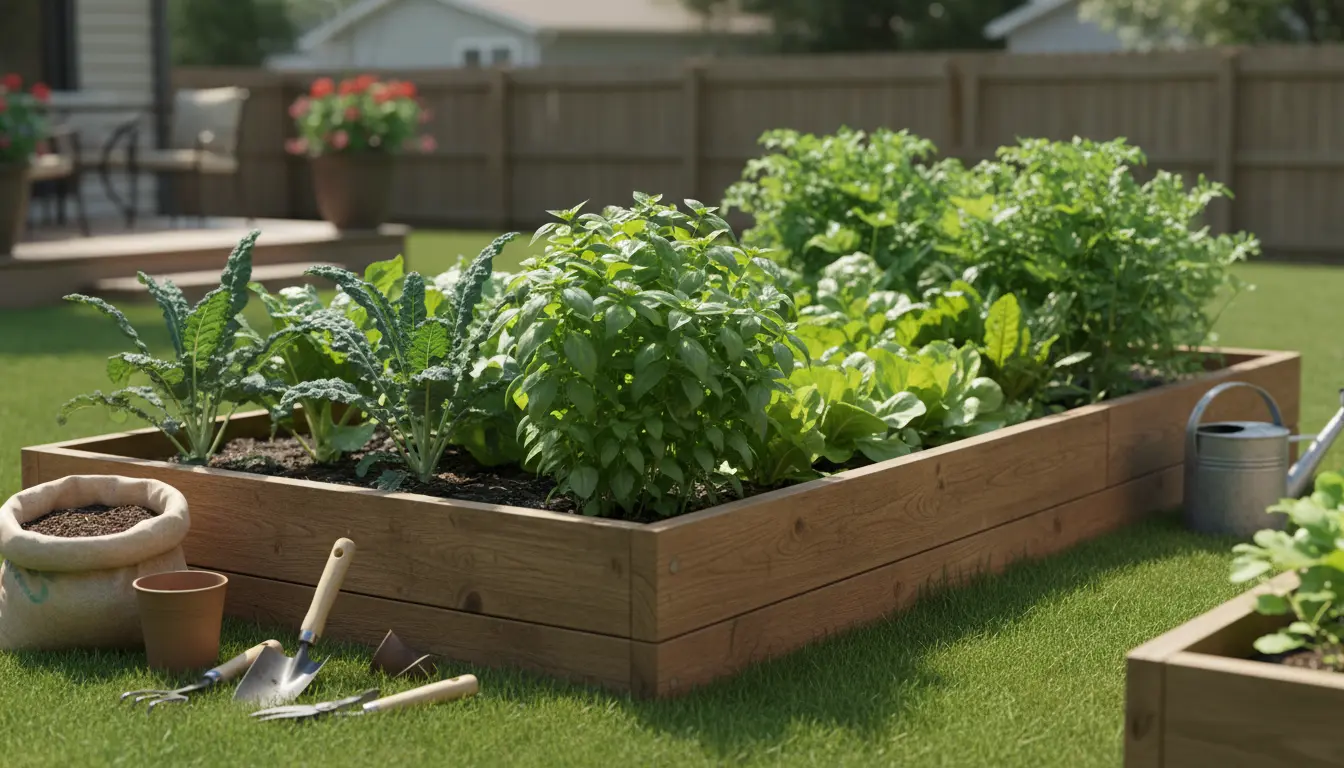
Starting a vegetable garden is a practical way to eat fresher food, save money, and learn a new skill. This guide shows clear steps to start a vegetable garden, from choosing a spot to harvesting your first crop.
Why Start a Vegetable Garden
Knowing the purpose helps plan what to grow and how much time to invest. Homegrown vegetables often taste better and can reduce grocery bills.
Gardening also provides mild exercise and reduces stress. It creates a predictable source of food when you plan crops for different seasons.
How to Start a Vegetable Garden: First Steps
Follow these core steps to set up a productive vegetable area. Each step is short and actionable so you can move from plan to planting quickly.
Choose the Right Spot to Start a Vegetable Garden
Select a location with at least 6 hours of sun for most vegetables. Good drainage is essential; avoid low areas that collect water.
Consider proximity to water and convenience for daily care. For small spaces, use containers, raised beds, or balcony boxes.
Decide What to Grow
Start with easy, high-reward crops like tomatoes, lettuce, beans, and radishes. Choose varieties suited to your growing zone and season.
Keep your list short for the first year—focus on 4–6 types you will use regularly. This limits workload and increases early success.
Prepare Soil Before You Plant
Good soil is the foundation. Test soil pH if possible; most vegetables prefer pH 6.0–7.0.
Improve soil by adding organic matter: compost, well-rotted manure, or leaf mold. For raised beds, use a mix of topsoil, compost, and a small amount of sand if needed for drainage.
Planting and Watering Basics
Follow seed packet or plant label spacing and depth instructions. Plant in blocks rather than single rows to improve pollination and microclimate.
Water deeply and less frequently to encourage deep roots. Morning water is best to reduce disease risk; use 1–2 inches per week as a general guide.
Ongoing Care and Maintenance
Mulch around plants to retain moisture and suppress weeds. Check plants weekly for pests, disease, and nutrient needs.
Use organic approaches first: handpicking pests, row covers, or insecticidal soap. Fertilize lightly during the growing season according to crop needs.
A single healthy tomato plant can produce 10–30 pounds of fruit in a season depending on variety and care. Proper pruning and consistent watering increase yield.
Small Real-World Example
Case study: A family of four in a small suburban yard converted a 10×6 foot space into raised beds. They planted tomatoes, beans, lettuce, and herbs. In one season they harvested enough lettuce and tomatoes to cut grocery lettuce purchases in half and save an estimated $180 on produce.
The keys to their success were daily 10-minute checks, a simple drip irrigation line, and winter composting for the next season.
Troubleshooting When You Start a Vegetable Garden
Problems are common for beginners but usually solvable. Below are typical issues and quick fixes.
Common Problems and Solutions
- Poor germination: Check seed depth and soil temperature. Keep soil moist but not waterlogged.
- Yellow leaves: Test soil and add balanced fertilizer if needed. Ensure proper drainage.
- Pests like slugs or aphids: Use traps, hand removal, or introduce beneficial insects. Try beer traps for slugs and strong water spray for aphids.
- Blossom end rot on tomatoes: Provide consistent calcium through compost and avoid wide fluctuations in water.
Quick Planting Calendar and Checklist
Use this simple checklist to plan your season. Adjust months to your local climate and frost dates.
- Early spring: Prepare beds, sow cool-season crops (lettuce, peas, radishes).
- Late spring: Transplant warm-season starters (tomatoes, peppers) after frost risk passes.
- Summer: Maintain watering, mulch, and harvest regularly to encourage more production.
- Fall: Plant cover crops or kale, and add compost to beds for next year.
Final Tips to Start a Vegetable Garden Successfully
Start small and expand after the first season. Track what worked and what didn’t in a simple garden notebook.
Join local gardening groups or seed swaps to learn region-specific tips. Small, consistent effort pays off more than occasional intense work.
With basic planning, reasonable expectations, and weekly care, you can start a vegetable garden that produces tasty, cost-saving food for your household.