
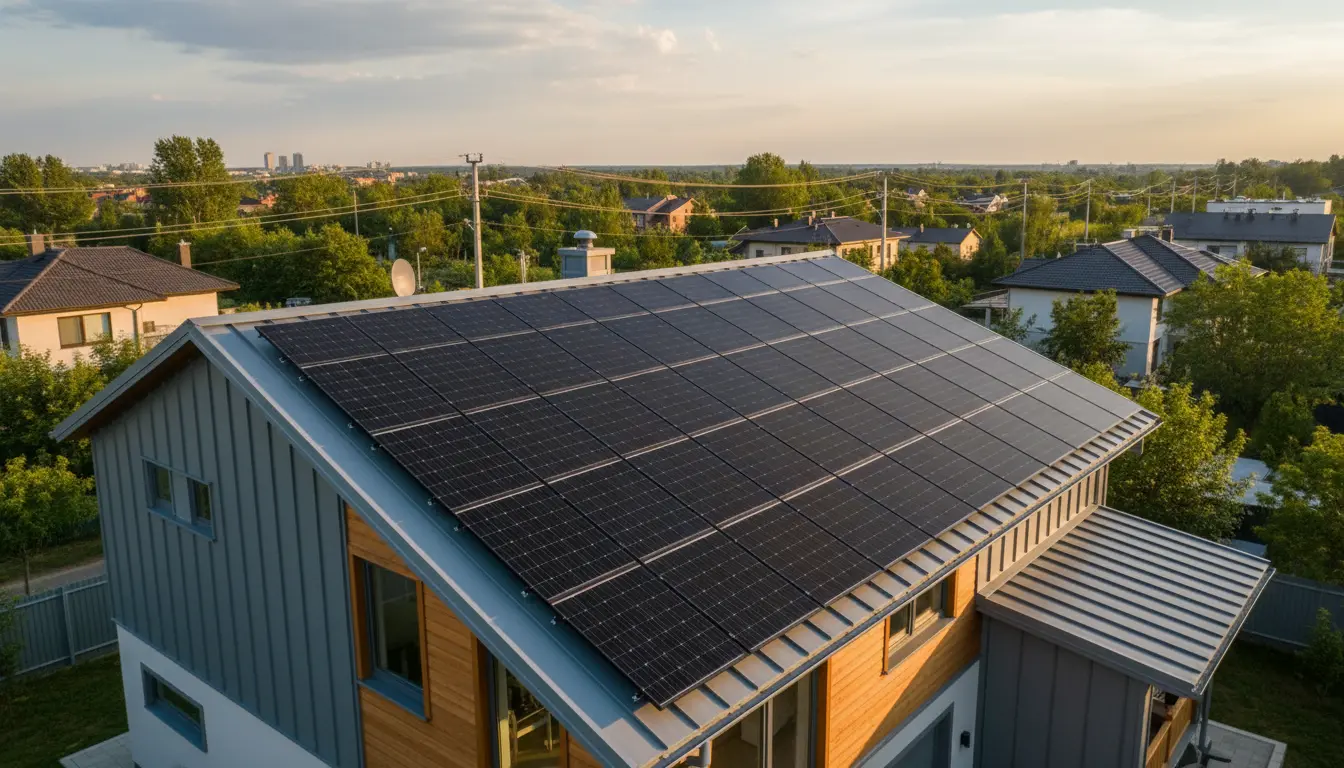
Home solar panel maintenance keeps systems efficient, safe, and durable. Regular checks help owners spot problems early and protect energy production over the long term.
Why Home Solar Panel Maintenance Matters
Solar panels produce more electricity when clean and properly positioned. Small issues like soiling, shading, or a failing inverter can reduce output by 10–30% if left unchecked.
Routine maintenance reduces unexpected repair costs and extends the system lifespan, protecting your investment and improving return on investment.
Common Problems in Home Solar Panel Maintenance
Soiling and Debris
Dust, pollen, bird droppings, and leaves accumulate on panels and block sunlight. The impact varies by location; dusty or coastal areas typically need more cleaning.
Shading and Vegetation
Growing trees or new roof obstructions create shading. Even partial shade on one panel can lower the output of an entire string in some systems.
Wiring and Inverter Issues
Loose connectors, water ingress, or inverter faults often cause performance drops. These require inspection and sometimes professional repair.
Routine Maintenance Steps for Home Solar Panels
Follow a simple monthly and annual routine to catch issues early. Use basic tools and safe practices for most tasks.
- Monthly visual check: Walk around the property to inspect panels for heavy soiling, visible damage, or shading changes.
- Monitor system output: Compare actual production to expected values in your monitoring app or from your installer.
- After storms: Inspect for loose mounts, debris, or animal nests on or under racks.
- Annual professional inspection: Have an installer or electrician verify wiring, grounding, and inverter performance once a year.
How to Monitor Output
Use the inverter’s local display or a cloud-based monitoring app. Track daily and monthly production and flag drops larger than 10–15% versus typical values for your season.
Cleaning Solar Panels Safely
Cleaning frequency depends on location. In dry, dusty regions clean panels 2–4 times a year; in temperate areas once a year is often enough.
Follow these safe cleaning steps:
- Clean on a cool, overcast morning or evening to avoid rapid drying and streaks.
- Use soft brushes, microfiber cloths, and a hose with low pressure. Avoid power washers and abrasive scrapers.
- Use plain water or a mild, non-abrasive detergent for sticky residues. Rinse thoroughly.
- For roof access use proper fall protection or hire a professional. Never climb roofs without safety gear.
When to Call a Professional
Call a qualified solar installer or licensed electrician for the following issues:
- Visible electrical sparking, burning smells, or tripped breakers related to the solar system.
- Inverter error codes that don’t clear after a restart.
- Physical damage from hail or fallen branches.
- Loose, corroded, or wet electrical connections in junction boxes or conduits.
Professionals can also perform performance tests, IV curve scans, and thermal imaging to diagnose hard-to-find issues.
Seasonal Home Solar Panel Maintenance Checklist
Adjust checks by season to match local weather patterns. Use this checklist to stay organized.
- Spring: Clean pollen and dust, check for winter damage, clear gutters and roof drains.
- Summer: Inspect for shading from growing trees, check inverter cooling, and monitor temperature-related dips in output.
- Autumn: Remove leaves and debris, trim branches that cast fall/winter shade.
- Winter: Remove heavy snow if safe to do so, ensure panels are clear to maximize low-angle sun capture.
Even a thin layer of dust can reduce panel output by up to 5%. In areas with heavy bird activity, soiling losses can exceed 20% without cleaning.
Small Real-World Example: Suburban 4 kW System Case Study
Homeowner: suburban house with a 4 kW rooftop system, installed 6 years ago. Location: temperate climate with moderate dust and seasonal tree growth.
Problem: Owner noticed a 15% drop in winter output compared to prior years. Monthly checks showed heavy leaf shading on the northwest panels and an inverter fault flagged intermittently.
Actions taken:
- Trimmed back the northwest tree that caused partial shading.
- Hired a certified technician who found a loose MC4 connector and corrected it.
- Performed a gentle cleaning and verified inverter firmware was current.
Result: System output returned to expected levels within two weeks, improving winter generation by ~12% and avoiding a costly panel replacement.
Practical Tips to Lower Maintenance Time and Cost
Keep records of maintenance dates, production numbers, and any repairs. This helps identify trends and justifies warranty claims.
- Set calendar reminders for quarterly visual checks and annual professional inspections.
- Use monitoring alerts to catch sudden drops quickly.
- Bundle tasks like gutter cleaning and roof checks to reduce overall labor visits.
Following these steps will help you protect energy output and extend the life of your solar investment. Routine attention and prompt professional support when needed keep systems efficient and safe.