
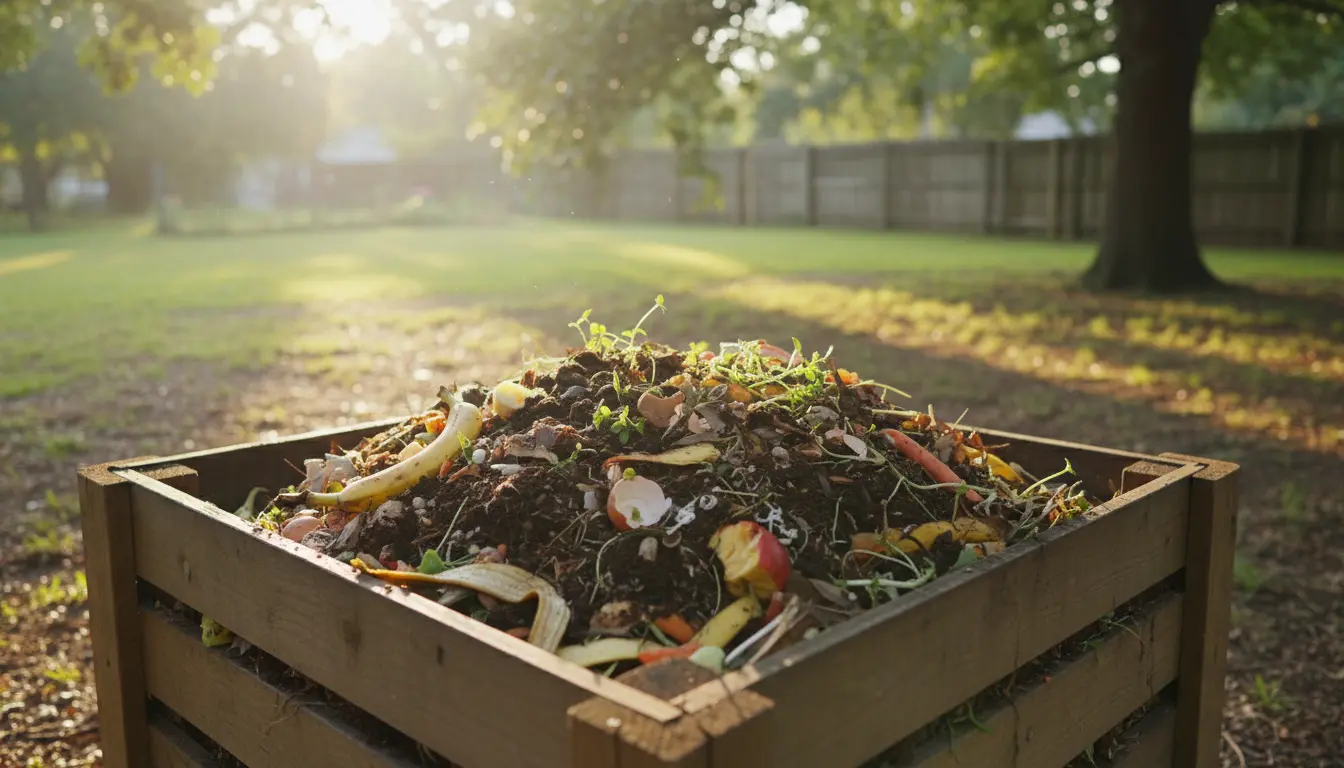
What Is Home Composting for Beginners
Home composting is the process of turning organic kitchen and garden waste into a nutrient-rich soil amendment. This guide explains the basic steps and choices you need to make to start composting at home.
Why Home Composting for Beginners Matters
Composting reduces household waste, lowers methane emissions from landfills, and improves garden soil. For beginners, it’s an affordable way to create healthy soil without synthetic fertilizers.
Benefits of Composting
- Reduces trash by up to 30%
- Improves soil structure and water retention
- Provides slow-release nutrients for plants
- Costs little once set up
Choose a Composting Method
Beginners should pick one simple method and stick with it for a few months. Here are common options to consider.
Backyard Bin Composting
Use a lidded bin or tumbler placed on soil or a stand. This method works well for people with outdoor space and moderate volumes of waste.
Bokashi and Indoor Methods
Bokashi uses fermentation to pre-treat food waste and is good for urban apartments. Vermicomposting uses worms and a bin indoors for continuous food-scrap processing.
What to Add to Your Compost
Compost needs a balance of carbon-rich materials (browns) and nitrogen-rich materials (greens). Proper balance speeds decomposition and prevents odors.
Examples of Browns and Greens
- Browns: dry leaves, shredded paper, cardboard, straw
- Greens: vegetable scraps, coffee grounds, grass clippings
A simple rule is roughly 3 parts browns to 1 part greens by volume. If the pile smells, add more browns. If it seems slow, add more greens and moisture.
Step-by-Step: Start Composting Today
Follow these steps to set up and maintain a basic backyard compost bin.
- Choose a bin or designated pile location with partial sun and good drainage.
- Start with a layer of coarse browns like small branches to improve airflow.
- Add scraps in alternating layers of greens and browns.
- Keep the pile moist like a wrung-out sponge; water if dry.
- Turn the pile every 1–2 weeks to add oxygen and speed decomposition.
- Harvest finished compost in 2–6 months, depending on conditions.
Common Problems and Quick Fixes
Beginners often face a few predictable issues. Here are simple solutions.
- Smell: Add dry browns and turn the pile to aerate.
- Too dry: Add water and more green scraps.
- Slow breakdown: Chop materials smaller and increase turning.
- Pests: Bury food scraps under a layer of browns or use a closed bin.
Tools and Materials You Need
You don’t need expensive gear. Start with basic items most households already have.
- Compost bin or simple wire enclosure
- Pitchfork or compost turning tool
- Kitchen scrap container with lid
- Optional: compost thermometer, shredder for yard waste
How to Know Your Compost Is Ready
Finished compost is dark brown, crumbly, and smells earthy. Most food particles are unrecognizable. You can sieve it before use for a finer texture.
Uses for Finished Compost
- Top-dress lawns and garden beds
- Mix into potting soil for containers
- Use as mulch around shrubs and trees
Composting a single household can divert hundreds of pounds of organic waste from landfills each year, reducing greenhouse gas emissions and creating useful soil amendment.
Small Real-World Case Study
Maria, a suburban homeowner, started a 3-bin system in spring. She added kitchen scraps and mixed yard waste. After six months she had about 25 liters of finished compost.
She used that compost to top-dress her vegetable beds and noted healthier plants and reduced need for purchased fertilizer. Her household trash volume dropped noticeably within two months.
Tips for Long-Term Success
Keep these practical tips in mind as you develop a routine and scale your system.
- Save shredded paper and dry leaves for winter when greens are scarce.
- Chop or shred large pieces so they break down faster.
- Record additions and turning frequency to learn what works best.
- Start small and expand once you understand the pace of decomposition.
Final Checklist for Home Composting for Beginners
- Pick a method: bin, tumbler, vermicompost, or bokashi.
- Maintain a browns-to-greens balance and moisture level.
- Turn the pile periodically for faster results.
- Harvest and use finished compost in your garden.
With a simple setup and steady routine, home composting is an effective and low-cost way to recycle organic waste. Start small, observe, and adjust. Within months you can produce rich compost and reduce your household waste footprint.