
Why starting a vegetable garden is worth it
Starting a vegetable garden gives you fresh produce, saves money, and connects you to the seasons. It also teaches basic plant care and can be adapted to small spaces or larger yards.
This guide focuses on simple, practical steps that beginners can follow to get reliable results in their first season.
Plan your garden before starting
Good planning reduces wasted time and resources. Begin by choosing a location that gets at least six hours of sunlight daily.
Consider access to a water source, drainage, and how close the bed will be to your home for frequent checks.
Starting a vegetable garden: Choose the right size
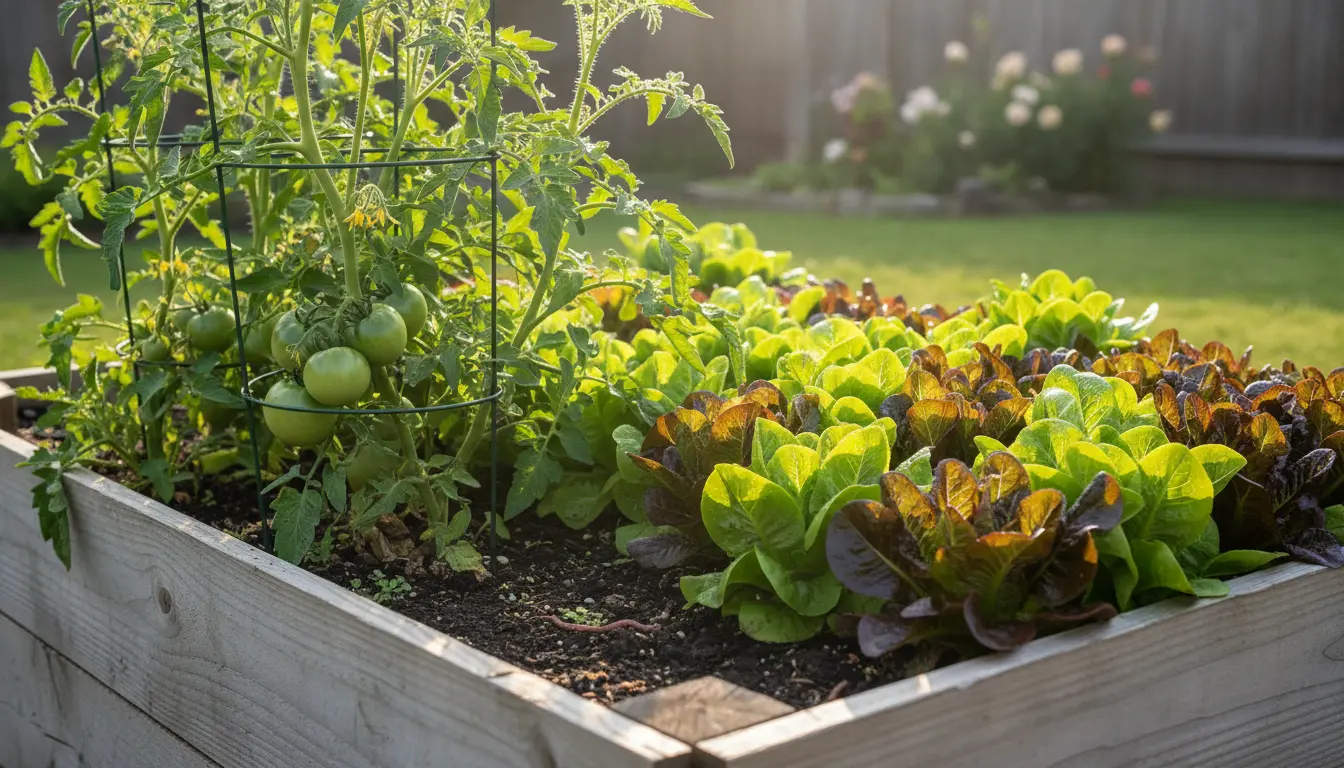
For first-time gardeners, a 4×8 foot raised bed or several 2×4 beds provide enough space without being overwhelming.
Smaller containers or vertical supports work well on balconies or patios if ground space is limited.
Pick vegetables suited to your climate
Start with easy, fast-growing crops like lettuce, radishes, green beans, cherry tomatoes, and herbs. These provide quick rewards and teach essential skills.
Check your local frost dates and plant according to your growing zone to avoid planting too early or too late.
Prepare soil and beds for planting
Soil health is the most important factor for consistent harvests. Test your soil pH or use a starter mix in raised beds for a predictable start.
Aim for loose, well-draining soil rich in organic matter to support root growth and microbial life.
Steps for soil preparation
- Remove weeds and debris from the planting area.
- Amend heavy clay or sandy soil with compost at a rate of 2–3 inches worked into the top 6–8 inches.
- Consider a balanced slow-release organic fertilizer if a soil test shows nutrient gaps.
- Rake the surface smooth and form raised rows or beds if drainage is a concern.
Planting: seeds vs seedlings
Decide whether to start from seed or buy young plants. Seeds are cheaper and offer more variety. Seedlings save time and are easier for many beginners.
Follow package instructions for spacing and depth. Overcrowding is a common mistake that reduces yields.
Starting a vegetable garden with a planting schedule
Create a simple calendar based on last frost date: sow cool-weather crops early, wait for warm-weather crops until the soil and air are warm.
Use succession planting (staggered sowing) to maintain continuous harvests through the season.
Watering and basic care
Most vegetables need 1–1.5 inches of water per week. Water deeply and less frequently to encourage strong roots.
Use drip irrigation or a soaker hose for efficiency and to reduce leaf wetness that can cause disease.
Pest and disease management
Inspect plants weekly and remove affected leaves early. Encourage beneficial insects by planting flowers and herbs nearby.
Use physical controls like row covers, handpicking pests, or organic sprays as needed. Rotate crops each year to reduce disease buildup.
Harvesting and succession
Harvest vegetables when they reach recommended size; many crops taste best when picked young. Regular harvesting often stimulates more production.
Plan a fall succession by planting fast-maturing greens or root crops mid-season for a late harvest.
Beans and peas add nitrogen to soil through natural nitrogen-fixing bacteria, reducing the need for synthetic fertilizers when included in crop rotation.
Common beginner mistakes and how to avoid them
- Overwatering: Water at the base and check soil moisture an inch below the surface before watering again.
- Overcrowding: Follow spacing guidelines to avoid competition for nutrients and light.
- Ignoring soil health: Add compost yearly and test pH every 2–3 years.
- Planting without a plan: Sketch a bed layout and plant list before you buy supplies.
Small case study: A first-season raised bed
Maria, a city renter with a sunny balcony, built a 4×4 foot raised bed and used a commercial mix to avoid poor rooftop soil. She planted lettuce, cherry tomatoes, basil, and radishes.
She watered with a small soaker hose twice a week and used a simple trellis for tomatoes. By mid-summer she harvested weekly salads and a dozen cherry tomatoes per week.
Her key wins were choosing compact varieties, using containers suited to root depth, and regular harvests that encouraged continuous growth.
Quick checklist for starting a vegetable garden
- Choose sunny location and bed type (ground, raised bed, container).
- Select a small set of easy crops for your climate.
- Prepare soil with compost and test pH if possible.
- Create a simple planting calendar tied to your frost dates.
- Water deeply, use mulch, and monitor pests weekly.
- Harvest regularly and plan a fall crop succession.
Final tips for lasting success
Start small and build experience gradually. Keep a garden journal with dates for planting, watering, pest notes, and harvests to learn what works in your space.
Join local gardening groups or seed swaps to learn region-specific tips and save money on seeds and plants.
With planning, good soil, and regular attention, starting a vegetable garden becomes a rewarding, manageable habit that delivers fresh food and gardening confidence.