
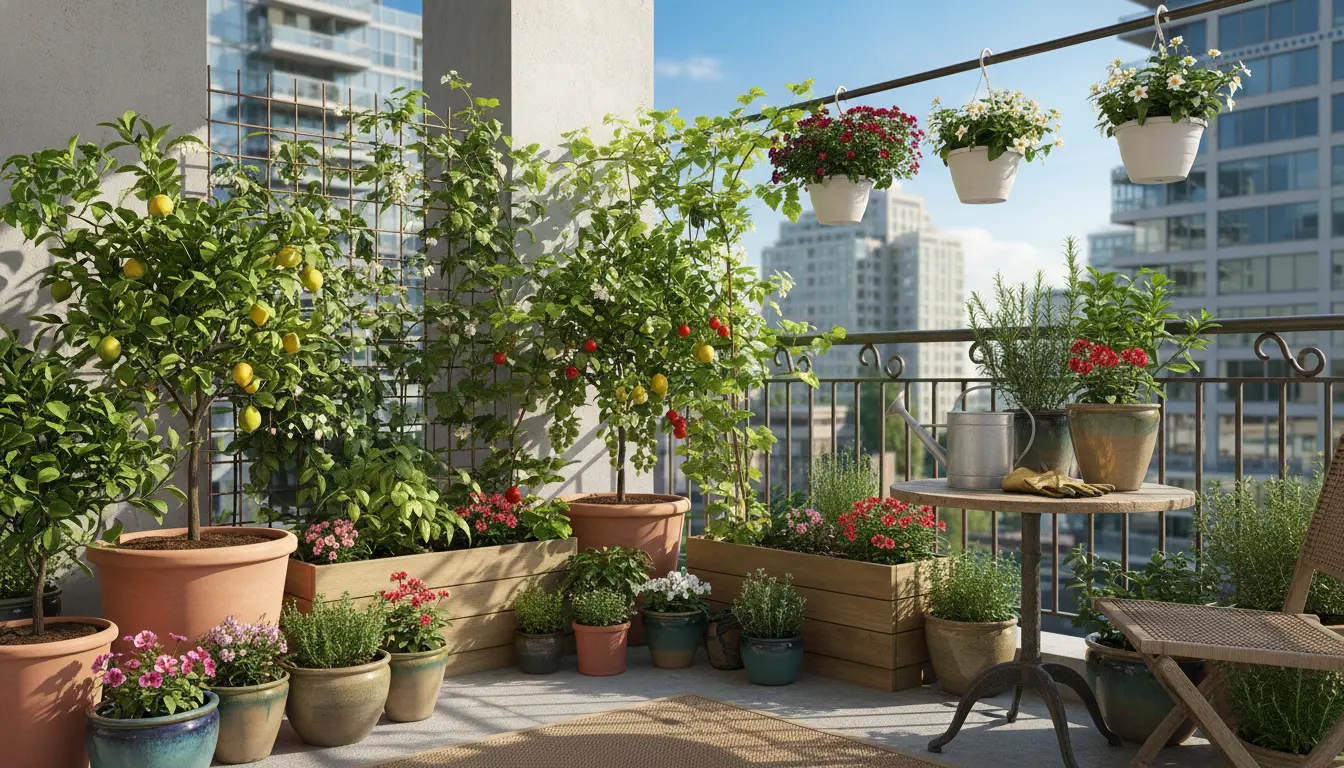
Starting a container vegetable garden is a practical way to grow fresh produce without a backyard. This guide explains the steps, tools, and care routines you need to get reliable harvests from pots, planters, or grow bags.
Why Choose a Container Vegetable Garden
A container vegetable garden fits small spaces and gives control over soil and pests. You can grow on balconies, patios, rooftops, or even windowsills with enough light.
Benefits include mobility, better drainage, and an easier harvest. Containers also let you extend the season by moving plants to protected spots.
Choosing Containers for a Container Vegetable Garden
Select containers that match the plants you want to grow and the space available. Consider depth, width, drainage, and material to keep roots healthy.
Good container options include plastic pots, clay pots, wooden boxes, and fabric grow bags. Each has pros and cons for moisture retention and durability.
Best Pots and Sizes for a Container Vegetable Garden
- Herbs and lettuce: 6–8 inch pots or shallow troughs.
- Peppers, dwarf tomatoes, and bush beans: 10–14 inch pots.
- Tomatoes (indeterminate), cucumbers, and larger plants: 18–24 inch deep containers or 20+ gallon grow bags.
Soil and Potting Mix for a Container Vegetable Garden
Use a high-quality potting mix rather than garden soil. Potting mixes provide better aeration, drainage, and nutrient retention for container plants.
Look for mixes with peat or coconut coir, perlite, and compost. You can also mix: 50% potting mix, 30% compost, 20% perlite for improved fertility and drainage.
Choosing Vegetables for a Container Vegetable Garden
Pick compact or patio varieties when space is limited. Leafy greens, herbs, radishes, and many dwarf varieties do well in pots.
Examples of good container vegetables:
- Lettuce, spinach, and arugula
- Cherry tomatoes and patio tomato varieties
- Dwarf peppers and eggplants
- Cucumbers with a trellis
- Herbs: basil, cilantro, parsley, chives
Placement, Light, and Watering
Most vegetables need 6–8 hours of direct sunlight daily. Place your container vegetable garden in the sunniest spot available.
Watering frequency depends on container size, material, and weather. Check soil moisture daily; water when the top 1–2 inches feel dry. Use a watering can or drip system for consistent moisture.
Watering Tips for a Container Vegetable Garden
- Morning watering reduces disease risk and helps plants handle heat.
- Mulch the surface with straw or shredded bark to slow evaporation.
- Use saucers under pots to catch runoff, but empty them to avoid root rot.
Fertilizing and Feeding
Containers hold limited nutrients, so regular feeding is essential. Use a balanced liquid fertilizer every 2–3 weeks during the growing season.
Slow-release granular fertilizers can be mixed into the potting mix at planting. Monitor plant growth and adjust feeding if leaves look pale or growth slows.
Pest and Disease Management in a Container Vegetable Garden
Containers reduce some pest issues, but you still need to inspect plants regularly. Look for yellowing leaves, holes, or sticky residue.
Control measures include hand-picking pests, using insecticidal soap, and improving air circulation by spacing pots. Rotate crops seasonally and remove diseased plants promptly.
Seasonal Care and Overwintering
Adjust watering and feeding as temperatures change. In hot months, containers may dry out quickly and need more frequent watering.
To overwinter tender plants, move containers to a sheltered spot or bring them indoors. For perennial herbs, trim and repot if necessary.
Harvesting from a Container Vegetable Garden
Harvest regularly to encourage new growth. Pick leafy greens every 1–2 weeks, and harvest tomatoes and peppers when ripe for best flavor.
Record harvests to track which crops perform best in your space and refine plant choices for the next season.
Small containers can produce surprising yields: a single 10–12 inch pot with a dwarf tomato plant can supply several pounds of fruit over a season.
Case Study: Balcony Success with Five Pots
Maria, an apartment resident, started a container vegetable garden on a small balcony using five pots. She used two 12-inch pots for cherry tomatoes, two 10-inch pots for peppers, and a long trough for mixed herbs and lettuce.
With daily morning sun and consistent watering, Maria harvested cherry tomatoes weekly and cut herbs throughout the season. Her initial investment in quality potting mix and a slow-release fertilizer reduced the need for extra feeding.
Quick Checklist to Start Your Container Vegetable Garden
- Choose a sunny location with at least 6 hours of light.
- Select containers sized to plant needs with drainage holes.
- Use a quality potting mix and add compost or slow-release fertilizer.
- Pick compact or patio vegetable varieties suited to containers.
- Water in the morning and monitor soil moisture daily.
- Inspect plants weekly for pests and disease.
Starting a container vegetable garden is straightforward and rewarding. With the right containers, soil, plants, and care routine, even small spaces can yield fresh vegetables and herbs. Follow the steps above, start with a few pots, and scale up as you gain confidence.