
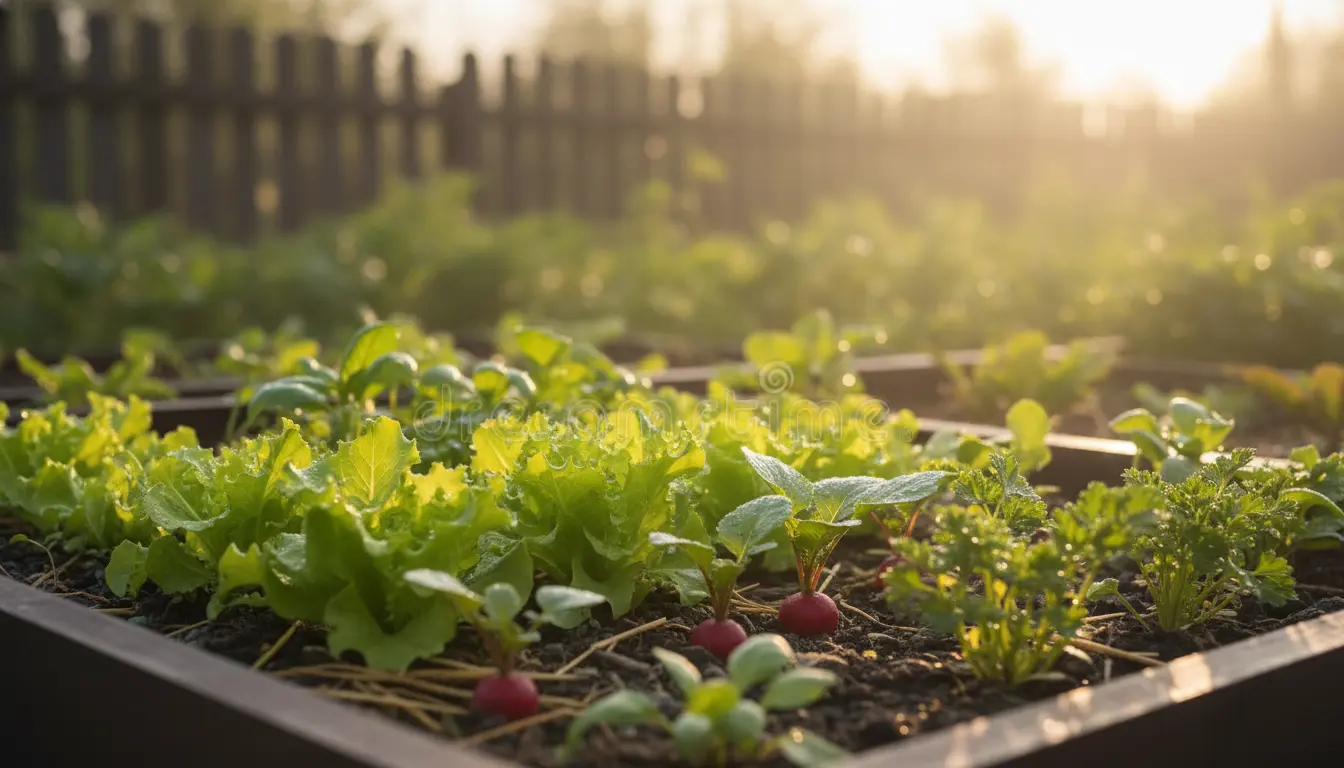
Why a Small Vegetable Garden Works
A small vegetable garden is easier to manage and can deliver fresh produce without a large time commitment. It fits balconies, patios, and small yards while teaching core gardening skills.
Plan Your Small Vegetable Garden
Good planning reduces wasted effort and crop failure. Start by assessing available space, sunlight, and how much time you can commit each week.
Set Goals for Your Small Vegetable Garden
Decide what you want to grow and why. Common goals include fresh herbs, salad greens, or a few tomato plants for summer.
- Food for weekly meals
- Learning and hobby gardening
- Maximizing yield in limited space
Measure and Map the Space
Measure your space in feet or meters and sketch a simple layout. Note permanent features like fences, windows, or shade from trees.
Choose the Best Location for a Small Vegetable Garden
Most vegetables need at least 6 hours of direct sun per day. Observe sunlight patterns for several days to confirm the brightest area.
Sun, Shade, and Microclimates
South-facing spots receive the most sun in the northern hemisphere. East-facing areas are cooler in the afternoon and good for leafy greens.
Consider wind exposure and reflected heat from walls, which can create microclimates useful for warm-season crops.
Prepare Soil for a Small Vegetable Garden
Healthy soil is the foundation of consistent yields. For small gardens, raised beds or containers allow you to control soil quality more easily.
Basic Soil Steps
- Test soil pH with a simple kit; aim for pH 6.0–7.0 for most vegetables.
- Amend with compost to improve structure and fertility.
- Use a mix of topsoil, compost, and a little coarse sand for containers.
Select Plants for a Small Vegetable Garden
Choose plants that match your site, season, and culinary preferences. Prioritize high-yield, space-efficient varieties.
Top Picks for Small Vegetable Gardens
- Leafy greens: lettuce, spinach, and arugula — quick harvest cycles.
- Herbs: basil, parsley, and chives — compact and productive.
- Compact fruiting plants: patio tomatoes, bush beans, and peppers.
Planting and Spacing in a Small Vegetable Garden
Follow seed packet or plant tag spacing but use succession planting to maximize harvest. Plant a new row every two weeks for continuous supply.
Spacing Tips
- Use square-foot gardening for tight spaces: one tomato per square, four lettuces per square.
- Interplant fast-maturing crops (radishes) with slower ones (carrots) to use space efficiently.
Watering and Maintenance for a Small Vegetable Garden
Consistent watering is more important than frequent shallow watering. Aim for deep, infrequent watering to encourage strong roots.
Simple Care Routine
- Water early morning to reduce evaporation and fungal risks.
- Mulch around plants to retain moisture and suppress weeds.
- Feed with a balanced organic fertilizer every 4–6 weeks during the growing season.
One 4×4 foot raised bed can produce enough salad greens for a family of four for several weeks when using succession planting.
Pest and Disease Management in a Small Vegetable Garden
Monitor plants weekly and remove affected leaves promptly. Using row covers and companion planting reduces pest pressure without chemicals.
Low-Impact Controls
- Handpick large pests like slugs and caterpillars.
- Introduce beneficial insects by planting flowers like calendula or alyssum.
- Rotate crops each season to reduce soil-borne disease buildup.
Simple Harvesting and Storage Tips
Harvest vegetables in the cool morning when flavor and texture are best. Store promptly: herbs can be refrigerated or dried, while root crops keep longer in cool, dark places.
Extend Your Harvest
- Use succession planting for continual supply of lettuce and herbs.
- Preserve surplus by blanching and freezing or making quick pickles.
Small Vegetable Garden Case Study
Maria, an apartment balcony gardener, used two 4×2 foot containers and grew patio tomatoes, basil, and mixed salad greens. She used a basic compost-based potting mix and drip irrigation on a timer.
In her first season she harvested weekly salads and three tomatoes per plant. By rotating salad crops and adding a second herb container, she doubled her output in year two.
Final Checklist to Start Your Small Vegetable Garden
- Assess sunlight and space
- Choose 3–6 easy crops to begin
- Prepare quality soil or container mix
- Set a simple watering and feeding schedule
- Monitor for pests and practice succession planting
Starting a small vegetable garden is a practical step toward fresher meals and a rewarding hobby. With modest planning and weekly care, you can establish a productive garden that fits your space and schedule.