
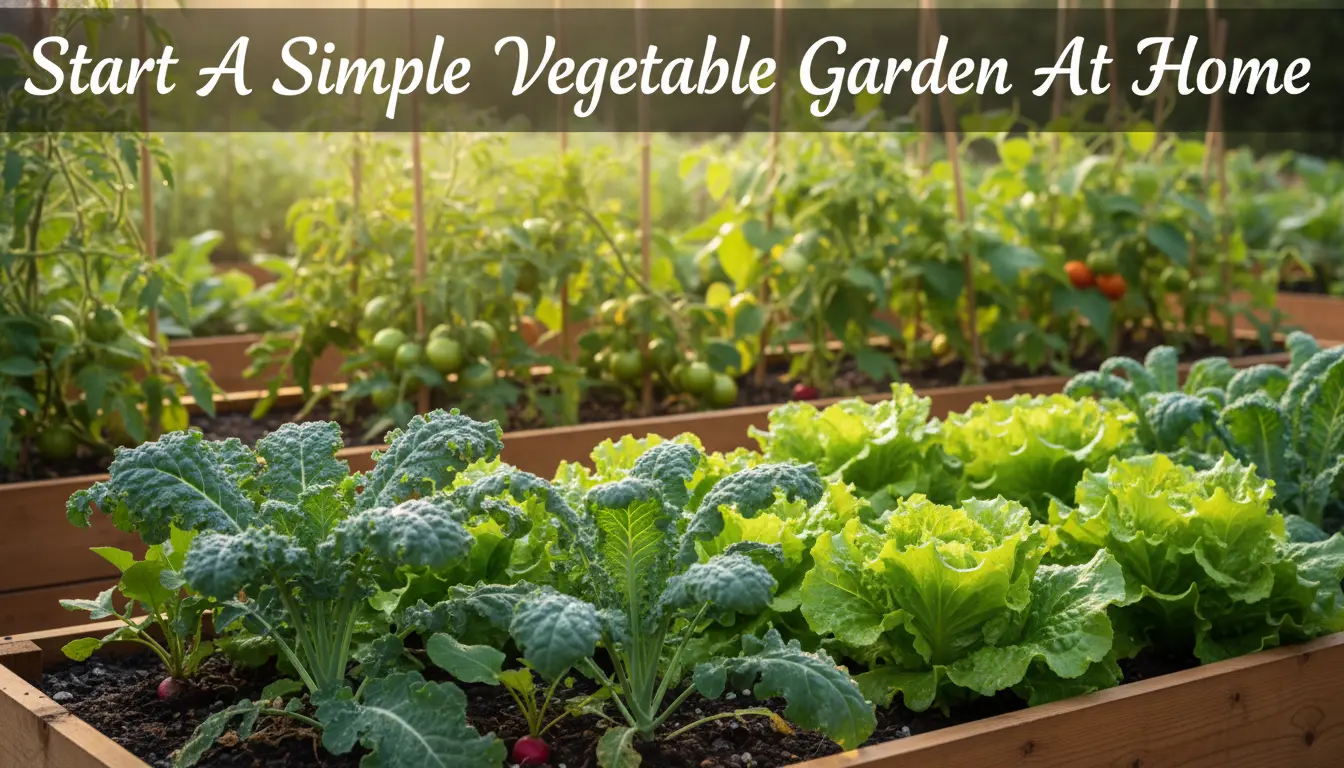
Starting a vegetable garden can be simple and rewarding. This guide walks you through the practical steps you need to plan, plant, and maintain a productive home vegetable garden.
How to Start a Vegetable Garden: Plan Your Garden
Good planning reduces wasted time and effort. Begin by choosing the right location and deciding what to grow.
Choose Where to Start a Vegetable Garden
Select a spot with at least 6 hours of direct sunlight for most vegetables. Consider access to water, drainage, and how close the bed will be to your kitchen.
Decide What to Grow
Pick vegetables you and your family will eat and that suit your climate. Start with reliable, low-maintenance crops if you are a beginner.
- Easy choices: lettuce, radishes, tomatoes, beans, zucchini.
- Consider seasonality: cool-season crops (lettuce, peas) vs warm-season crops (tomatoes, peppers).
- Plan for succession planting to maximize yield.
How to Start a Vegetable Garden: Prepare Soil and Beds
Healthy soil is the foundation of a productive garden. Preparing beds and improving soil fertility pays off in larger harvests.
Test and Improve Soil
Test soil pH and texture if possible. Most vegetables prefer a slightly acidic to neutral pH (6.0–7.0). Add lime to raise pH or sulfur to lower it as needed.
Improve structure with organic matter. Mix compost into the top 6–12 inches of soil to increase fertility and moisture retention.
Choose Bed Types
Raised beds warm faster and drain better, making them a good choice for small yards. In-ground beds work well in larger lawns with good soil.
- Raised beds: defined, easier to manage, good for poor native soil.
- In-ground: less construction, greater planting area, may need more soil amendments.
How to Start a Vegetable Garden: Planting and Spacing
Plant at the right time and follow spacing recommendations to avoid crowding. Overcrowded plants compete for light and nutrients.
When to Plant
Follow local frost dates and seed packet guidance. Start seeds indoors for warm-season crops or sow cool-season seeds directly in the soil.
Spacing and Layout
Use recommended spacing on seed packets or plant tags. Arrange taller plants to the north of shorter ones to avoid shading.
- Example layout: rows, square-foot gardening, or companion planting beds.
- Leave access paths for maintenance and harvest.
How to Start a Vegetable Garden: Watering and Fertilizing
Consistent water and balanced nutrients support steady growth. Adjust frequency by weather and soil type.
Watering Basics
Water deeply and less often to encourage root growth. A general rule is 1–1.5 inches of water per week, more in hot weather.
Use drip irrigation or soaker hoses to target the root zone and reduce leaf wetness that can spread disease.
Fertilizing
Apply a balanced organic fertilizer or side-dress with compost mid-season. Avoid over-fertilizing nitrogen-hungry crops that produce leafy growth at the expense of fruit.
How to Start a Vegetable Garden: Pest and Disease Management
Prevention is easier than cure. Healthy plants resist pests and diseases better than stressed plants.
Integrated Pest Management
- Inspect plants regularly for early signs of trouble.
- Use physical barriers such as row covers for young plants.
- Encourage beneficial insects with flowering edges or companion plants.
- Remove and compost diseased foliage rather than leaving it on the bed.
How to Start a Vegetable Garden: Harvesting and Rotation
Harvest regularly to encourage continued production. Keep records to rotate crops and avoid soil-borne disease buildup.
Harvest Tips
- Pick vegetables when they reach recommended size for best flavor.
- Regular harvesting of crops like beans and zucchini prolongs production.
Crop Rotation and Bed Rest
Change plant families each year within the same bed. Rotate legumes, brassicas, and nightshades to reduce pest cycles and nutrient depletion.
Planting marigolds near tomatoes can help reduce nematode damage and attract pollinators to your garden.
Small Case Study: Laura’s Balcony Garden
Laura had only a 6-foot balcony and poor soil. She started with three 2×2 foot raised containers and a half dozen herbs and vegetables.
By choosing compact tomato varieties, leaf lettuce, and container-friendly peppers, she harvested fresh salad greens within six weeks. Monthly compost tea and a drip system kept plants healthy.
Result: A steady summer supply of salad greens and peppers and a simple method she repeated the next season with small adjustments.
Quick Checklist to Start a Vegetable Garden
- Pick a sunny spot with water access.
- Decide bed type: raised or in-ground.
- Test and amend soil with compost.
- Select easy crops for your season and climate.
- Plant at the right time and maintain spacing.
- Water deeply, mulch to retain moisture, and monitor pests.
Starting a vegetable garden is a step-by-step process that rewards planning and consistent care. Use these practical steps to begin small, learn, and expand as you gain confidence.