
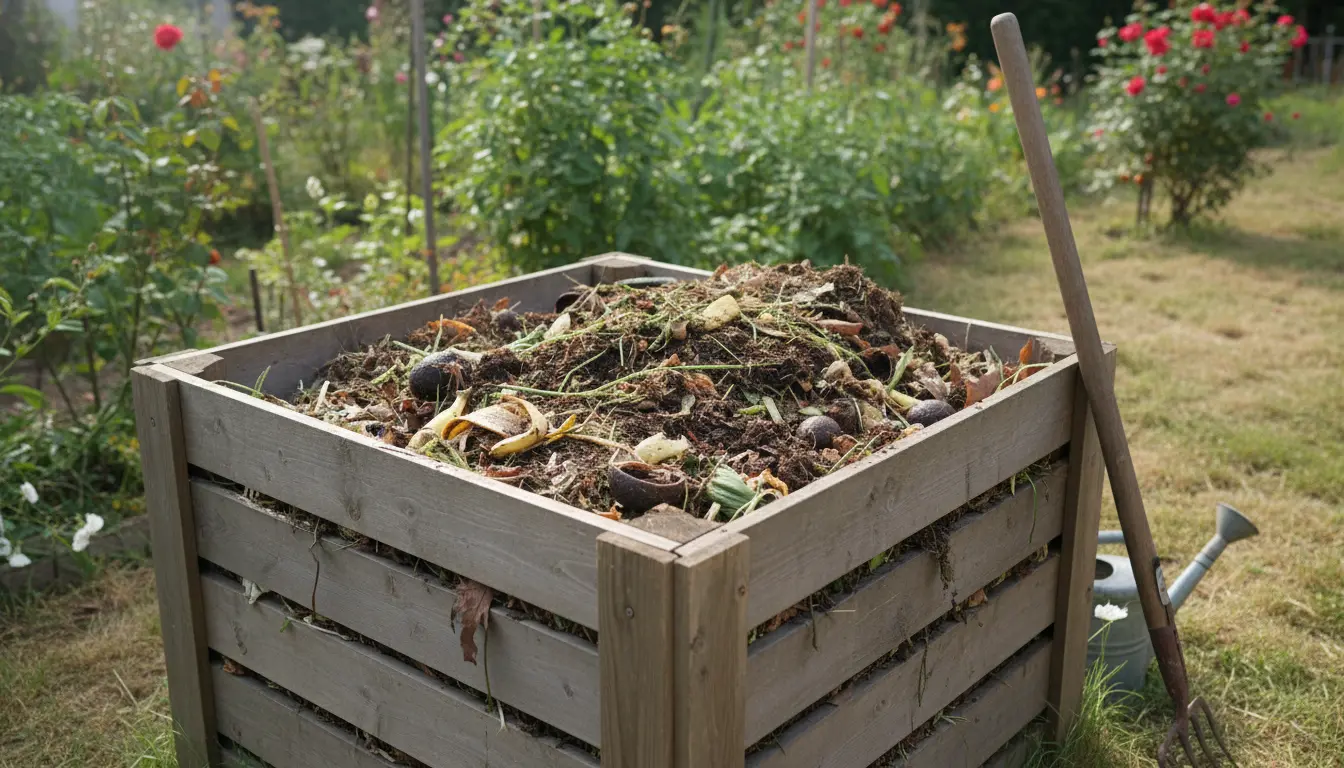
Home composting turns kitchen and yard waste into nutrient-rich soil amendment. This guide explains practical steps, materials to use, and how to troubleshoot common problems. Follow these instructions to start composting at home with confidence.
Why Home Composting Matters
Home composting reduces landfill waste and cuts methane emissions from organic material. It also returns nutrients to garden soil and improves soil structure.
Even small households can make an impact by diverting food scraps and yard trimmings into a compost system.
Choose a Composting Method for Home Composting
Selecting the right method depends on space, time, and how much waste you produce. Common methods include backyard bins, tumblers, and indoor Bokashi or worm composting.
- Backyard bin: Affordable and low-effort for yards and gardens.
- Tumbler: Faster breakdown with regular turning.
- Vermicomposting (worms): Great for apartments and small volumes.
- Bokashi: Fermentation-based, handles cooked foods and meat.
How to Choose
Pick a method that fits your living situation and time availability. Tumblers suit people who want faster results, while backyard bins are best for minimal maintenance.
Step-by-Step: How to Start Home Composting
Follow these practical steps to begin composting at home. Each step helps create the right environment for microbes to break down organic matter.
- Pick a location: Choose a shaded, level spot with good drainage for an outdoor bin. For indoor systems, place a compact unit near the kitchen.
- Assemble or buy a bin: Use a purchased bin, make one from pallets, or repurpose a plastic container with holes for aeration.
- Layer materials: Start with coarse brown material (twigs, straw) for airflow, then add alternating layers of greens (kitchen scraps) and browns (dry leaves).
- Maintain moisture: Keep the pile damp like a wrung-out sponge. Add water or dry materials to balance moisture.
- Turn or aerate: Turn the pile every 1–2 weeks for faster decomposition, or rotate a tumbler regularly.
- Harvest finished compost: After 3–12 months, sift and use the dark, crumbly compost in garden beds or potted plants.
What to Put in Your Home Composting Bin
Use a balanced mix of carbon-rich browns and nitrogen-rich greens. Aim for roughly a 3:1 ratio of browns to greens by volume.
- Greens: Fruit and vegetable scraps, coffee grounds, fresh grass clippings.
- Browns: Dry leaves, cardboard (shredded), paper towels, straw, small wood chips.
- Avoid: Meat, dairy, oils, diseased plants, pet waste from carnivores unless using specialized systems.
Troubleshooting Home Composting Problems
Common problems include odors, pests, slow decomposition, and overly dry or soggy piles. Each issue has a simple fix.
- Bad smell: Add more browns and turn the pile to introduce oxygen.
- Pests: Bury food scraps under a layer of browns or use a closed bin/tumbler.
- Slow breakdown: Chop materials smaller and maintain moisture and aeration.
- Soggy pile: Add dry brown material and improve drainage or aerate more often.
Composting can cut household waste by up to 30 percent. A single family can divert hundreds of pounds of organic waste from landfill each year by composting.
Speed Up Results in Home Composting
If you want finished compost faster, increase the surface area of materials and keep the pile warm and moist. Turning more often also accelerates decomposition.
Adding a small amount of finished compost or garden soil introduces microbes that help break down organic matter.
Practical Tips
- Chop or shred kitchen scraps before adding them to the pile.
- Mix a variety of materials to prevent compaction and anaerobic zones.
- Keep a small kitchen caddy with a lid to collect scraps and reduce trips outside.
Small Real-World Example: Apartment Vermicomposting Case Study
Case study: A two-person apartment household began vermicomposting in a 10-liter bin. They fed the worms fruit and vegetable scraps and shredded paper as bedding.
After six months they produced about 20 liters of worm castings and reduced their kitchen waste by roughly 40 percent. The castings were used to feed balcony vegetables, which showed improved growth and yield.
Using Finished Compost
Finish compost is rich and crumbly with an earthy smell. Use it as a soil amendment, top dressing for lawns, or a potting mix additive.
Incorporate compost at 10–20 percent by volume into planting beds or mix a thin layer into potting soil for potted plants.
Final Checklist for Home Composting
- Choose a composting method that fits your space.
- Balance greens and browns and maintain moisture and airflow.
- Monitor for pests and odors and adjust materials as needed.
- Harvest and apply finished compost to enrich soil.
Home composting is a straightforward, practical way to cut waste and improve soil health. Start small, track what works, and scale up as you become more comfortable with the process.