
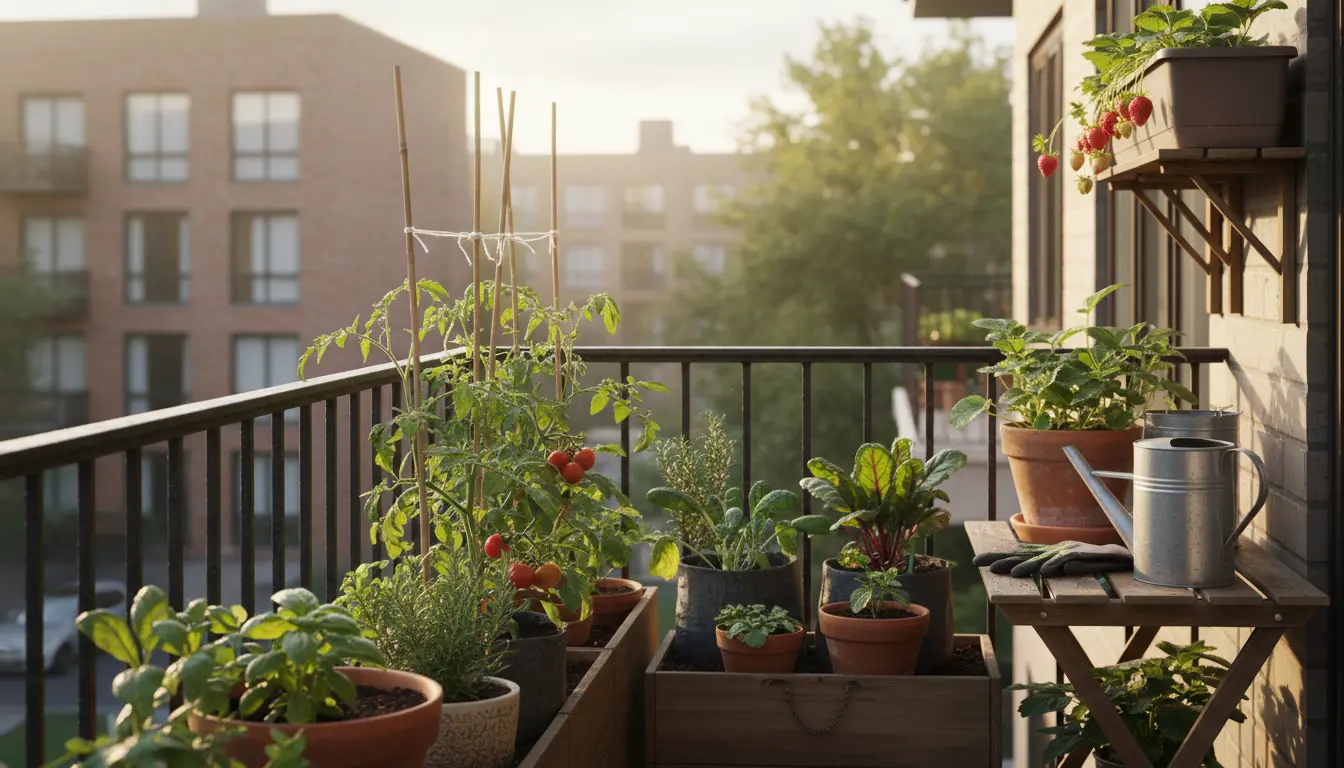
Growing vegetables in a small space is practical and cost effective. This guide shows step-by-step actions you can take to start a vegetable garden in small spaces and get reliable harvests.
Planning Your Vegetable Garden in Small Spaces
Start by measuring the available area and noting sun exposure for a typical day. Most vegetables need 6–8 hours of direct sunlight, so map sunny and shaded spots.
Decide whether you’ll use containers, vertical systems, or a small raised bed. Each choice affects soil volume, water needs, and plant selection.
Set Simple Goals for a Small Space Vegetable Garden
Be realistic about what you will grow and eat. Choose a few high-value plants rather than many varieties to maximize yield.
- Goal: Fresh salad greens weekly
- Goal: A few herbs year-round
- Goal: One or two vining crops like tomatoes or peppers
Choosing Containers and Structures for Small Space Gardening
Containers should have drainage and be large enough for the plant’s root system. Consider depth: 6–8 inches for lettuce, 12 inches or more for tomatoes and peppers.
Use vertical space with trellises, hanging baskets, or wall planters to increase capacity without increasing footprint.
Best Container Types for a Vegetable Garden in Small Spaces
- Fabric grow bags for good aeration and lighter weight
- Plastic or ceramic pots with drainage holes
- Stacked planters or vertical towers for strawberries and herbs
Soil, Fertility, and Watering in Small Space Vegetable Gardens
Use a high-quality potting mix rather than garden soil to ensure good drainage and nutrients. A blend with compost and coconut coir or peat is ideal.
Fertilize regularly because container media depletes quickly. Use a balanced liquid feed every 2–3 weeks or a slow-release granular fertilizer per label instructions.
Watering Tips for a Small Space Vegetable Garden
Containers dry out faster than garden beds. Check moisture daily in hot weather by feeling 1–2 inches into the soil. Water thoroughly until excess drains out the bottom.
- Morning watering reduces disease risk.
- Mulch the top of containers with straw or shredded bark to slow evaporation.
- Consider simple drip irrigation or soaker hoses for larger balcony setups.
Plant Selection and Spacing for Small Space Vegetable Gardens
Choose compact or bush varieties labeled “patio,” “bush,” or “compact” for small spaces. These varieties fit containers and produce well without sprawling.
Use succession planting to keep harvests steady: plant a new batch of lettuce or radishes every 2–3 weeks through the season.
Vegetables That Perform Well in Small Spaces
- Leafy greens: lettuce, spinach, arugula
- Herbs: basil, cilantro, parsley
- Compact vegetables: bush tomatoes, dwarf peppers, patio cucumbers
- Root crops in deep containers: carrots, baby beets
Pest Control and Maintenance in Small Space Vegetable Gardens
Keep plants healthy by removing diseased leaves and checking for pests regularly. In small spaces you can act quickly before infestations spread.
Use physical barriers like row covers or netting for insect control. Hand-pick larger pests and apply organic sprays only when necessary.
Season Extension Strategies
Use cloches, cold frames, or simple plastic covers to extend the season in spring and fall. Even a small hoop tunnel can raise temperatures and protect against light frost.
Container-grown tomatoes can produce as much as in-ground tomatoes if you provide a 15–20 gallon container, consistent watering, and good support.
Small Real-World Example: Balcony Salad Garden Case Study
Emma, a city renter, used a 6-foot balcony to grow salad greens and herbs. She placed three 12-inch pots for mixed lettuce, two hanging baskets for basil and cilantro, and a 15-gallon container for a dwarf tomato.
Within six weeks she harvested weekly salads, reducing grocery salad purchases by half. Key actions: daily checks, weekly liquid feed, and a simple trellis for the tomato plant.
Quick Start Checklist for Your Vegetable Garden in Small Spaces
- Measure sun exposure and choose a sunny spot.
- Select appropriate containers with drainage.
- Fill with quality potting mix plus compost.
- Pick compact plant varieties and stagger planting dates.
- Water consistently and fertilize regularly.
- Inspect for pests and use simple barriers.
Final Tips for Success
Start small and expand as you gain confidence. Track what works in your microclimate and adjust plant choices each season.
Small space vegetable gardens are low-risk and high-reward. With consistent care you can enjoy fresh produce year after year.