
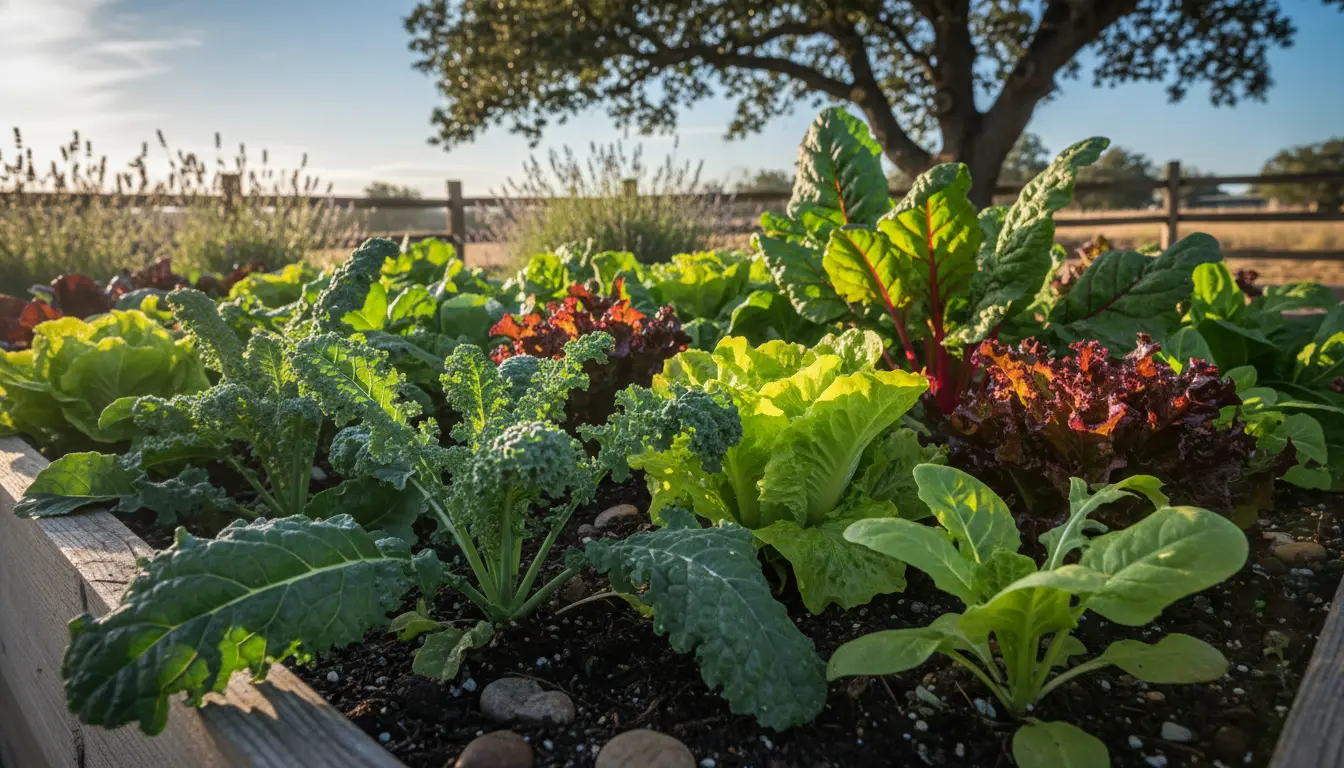
Starting a vegetable garden is a practical way to grow fresh food, save money, and enjoy outdoor activity. This guide gives clear steps you can use whether you have a small balcony, a backyard, or a community plot.
How to Start a Vegetable Garden: Plan and Prepare
Begin with a simple plan that lists what you want to grow and how much space you have. Choose easy crops for your first season like lettuce, radishes, snap peas, and cherry tomatoes.
Decide What to Grow
Pick vegetables you and your household will eat. Consider seasonality and local climate when choosing varieties. Fast-growing vegetables give quicker rewards for beginners.
- Leafy greens: lettuce, spinach, swiss chard
- Root crops: radishes, carrots, beets
- Warm-season: tomatoes, peppers, cucumbers
- Herbs: basil, parsley, cilantro
Choose the Right Location for Your Vegetable Garden
Location determines success. Most vegetables need at least 6 hours of direct sunlight. Choose a spot with good drainage and easy access to water.
Sunlight and Access
Observe sun patterns for a few days. Place beds where morning sun reaches plants and where tools and watering are easy to manage.
Soil Type and Drainage
Vegetable garden soil should be loose and drain well. Avoid low spots that collect water. If your soil is heavy clay or compacted, use raised beds or amend the soil.
Prepare Soil and Beds for Your Vegetable Garden
Good soil is the foundation. Invest time in testing and improving soil before planting. Healthy soil reduces pest and disease problems over time.
Soil Testing and Amendments
Test soil pH and nutrients with a simple kit or through a local extension service. Most vegetables prefer pH 6.0 to 7.0. Add compost to improve texture and fertility.
- Remove grass and weeds from the bed area.
- Loosen soil to 8–12 inches with a fork or tiller.
- Mix in 2–4 inches of compost and a handful of balanced organic fertilizer if needed.
Tools and Materials
You do not need many tools to start. A few basics will get the job done.
- Spade or garden fork
- Garden hoe or hand trowel
- Rake, gloves, and watering can or hose with nozzle
- Compost, mulch, and stakes for support
Adding 1 inch of compost per month can boost soil health and water retention, especially in sandy soils. Compost adds beneficial microbes and improves nutrient cycling.
Planting and Care for Your Vegetable Garden
Planting depth and spacing matter. Follow seed packet or plant tag instructions. Crowded plants struggle; proper spacing lets air circulate and reduces disease.
Watering, Mulching, and Feeding
Water deeply and infrequently to encourage strong roots. Most vegetables need about 1 inch of water per week, more in hot weather.
- Water at the base of plants in the morning to reduce leaf wetness.
- Apply 2–3 inches of organic mulch to conserve moisture and suppress weeds.
- Side-dress with compost or balanced fertilizer at mid-season for heavy feeders like tomatoes.
Pest and Disease Management
Use simple, non-chemical methods first. Inspect plants weekly, remove damaged leaves, and use row covers to protect young crops.
- Rotate crops each year to reduce soil-borne diseases.
- Encourage beneficial insects with flowering herbs and companion plants.
- Hand-pick slugs or use traps for small infestations.
Small Case Study: A First-Season Raised Bed
Maria, a beginner gardener in a small city yard, built a 4×8 foot raised bed box. She filled it with a 50/50 mix of compost and topsoil and planted sprouts of lettuce, radishes, and two tomato seedlings.
By week six she harvested continuous lettuce and radishes. Her tomatoes produced fruit by late summer. Total initial cost was under $150, including lumber and soil, and produced about 30–40 meals’ worth of fresh vegetables that season.
Key takeaways from her case: start small, focus on fast crops for quick rewards, and amend soil well at the start.
Quick Checklist to Start a Vegetable Garden
- Pick location with 6+ hours sun and water access.
- Decide crops based on diet and season.
- Test and amend soil; add compost.
- Plant at correct depth and spacing.
- Mulch, water, and monitor for pests.
- Rotate and follow a simple feeding schedule.
Next Steps to Grow Your Vegetable Garden
Start with one bed or a few containers this season. Keep a simple journal of planting dates and harvests to refine your plan for next year.
As you gain experience, expand by adding more beds, a compost bin, or new crops. Small, consistent steps lead to reliable and rewarding results.
Use this guide to start a vegetable garden that fits your space and lifestyle. With basic planning and weekly care, you can grow a steady supply of fresh vegetables and learn skills that improve each season.