
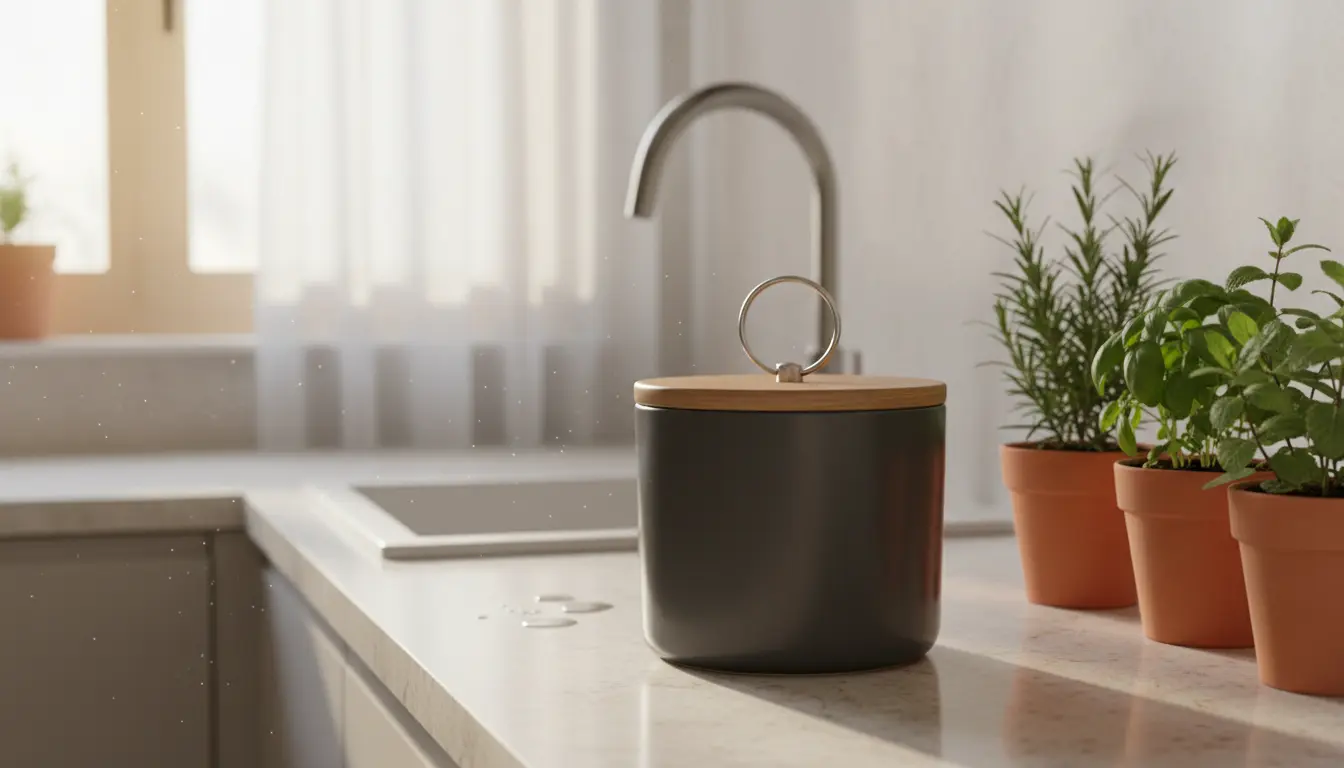
Indoor composting is a practical way to reduce kitchen waste and create rich soil for houseplants or small gardens. This guide explains simple steps to start indoor composting in small spaces, with clear options and care routines.
Why Indoor Composting Works for Small Spaces
Indoor composting lets people living in apartments or homes without yards divert organic waste from trash. Small systems are designed to be odor-controlled, compact, and low maintenance.
Choosing the right method depends on your space, time, and what you want to do with the finished compost.
Common Indoor Composting Methods
There are several indoor composting methods suited to small spaces. Each has pros and cons, so pick one that matches your lifestyle.
Indoor Composting Option: Bokashi
Bokashi is a fermentation method using inoculated bran to break down food waste, including meat and dairy. It uses a sealed bucket, so smells are minimal.
It’s fast and good for small kitchens, but finished waste needs to be buried or added to a soil pile after fermenting.
Indoor Composting Option: Worm Bin (Vermicomposting)
Worm bins use red worms to turn food scraps into castings. They are compact and produce excellent fertilizer for potted plants.
Worms need stable temperatures and the right bedding. With basic care, a small bin under a sink or in a closet works well.
Indoor Composting Option: Tumblers and Electric Units
Compact tumblers and countertop electric composters are user-friendly and reduce maintenance work. They can be pricier but simplify processing and reduce odor.
Electric units often speed up decomposition and are ideal if you want faster results with minimal effort.
Choosing the Right Location and Container
Pick a stable spot with moderate temperature—near a kitchen or utility area is common. Avoid direct heat or freezing conditions.
Containers should be sized for the amount of waste you generate. For one or two people, a 5–10 liter bokashi or a small worm bin is usually sufficient.
Step-by-Step Setup for a Basic Worm Bin
Worm bins are a popular choice for plant lovers who want rich compost. Follow these steps to set one up in a small space.
- Choose a plastic bin with a lid, about 10–20 gallons for beginners.
- Drill small air holes near the top for ventilation and a few drainage holes underneath.
- Add shredded cardboard or coconut coir as bedding, moistened but not dripping.
- Add red worms (Eisenia fetida) and a small amount of food scraps to start.
- Cover food with bedding to minimize flies and odors.
Indoor Composting: What to Feed and Avoid
Feeding the right materials helps systems stay healthy. Common acceptable items include fruit and vegetable scraps, coffee grounds, eggshells, and paper towels.
Avoid large amounts of citrus peels in worm bins, bones, grease, or very oily foods that can attract pests and create odors.
Maintenance Tips for Indoor Composting
Regular, light maintenance keeps indoor compost systems odor-free and productive. Simple routines are easy to adopt.
- Feed small amounts regularly rather than a large batch at once.
- Stir or turn a compost tumbler weekly to aerate materials.
- Keep moisture balanced—damp like a wrung-out sponge is ideal.
- Remove finished compost and replace with fresh bedding as needed.
Monitoring and Troubleshooting
If you notice strong odors, check for excess moisture or too much food. Remove the wet material and add dry bedding or brown materials like shredded paper.
If pests appear, ensure food is buried and the bin is sealed. For persistent issues, try a different method like sealed bokashi buckets.
Worm castings can contain up to five times more available nutrients for plants than ordinary garden soil, making them an excellent fertilizer for indoor plants.
Small Real-World Case Study: Apartment Worm Bin
Sarah, a two-bedroom apartment resident, started a 10-gallon worm bin under her kitchen counter. She added bedding of shredded paper, coffee grounds, and 500 red worms.
Within three months she collected rich worm castings to feed her indoor herb pots. She reported no odor issues after burying food scraps and maintaining moisture. Her food waste dropped by almost half.
Using Finished Compost from Indoor Systems
Finished compost or worm castings should be cured or rinsed if necessary before using with delicate plants. Mix with potting soil at a ratio of about 1:4 for regular houseplants.
Bokashi-fermented waste should be buried in soil for a few weeks or added to an outdoor compost pile to complete decomposition.
Quick Checklist to Start Indoor Composting
- Choose a method: bokashi, worm bin, tumbler, or electric unit.
- Select the right container size for your household waste.
- Find a stable indoor location with moderate temperature.
- Follow feeding and maintenance routines weekly.
- Use finished compost carefully with potting mixes or soil.
Indoor composting in small spaces is achievable with modest effort and the right system. Pick a method that fits your daily routine, maintain it with simple steps, and you can reduce waste while improving your plants’ health.