
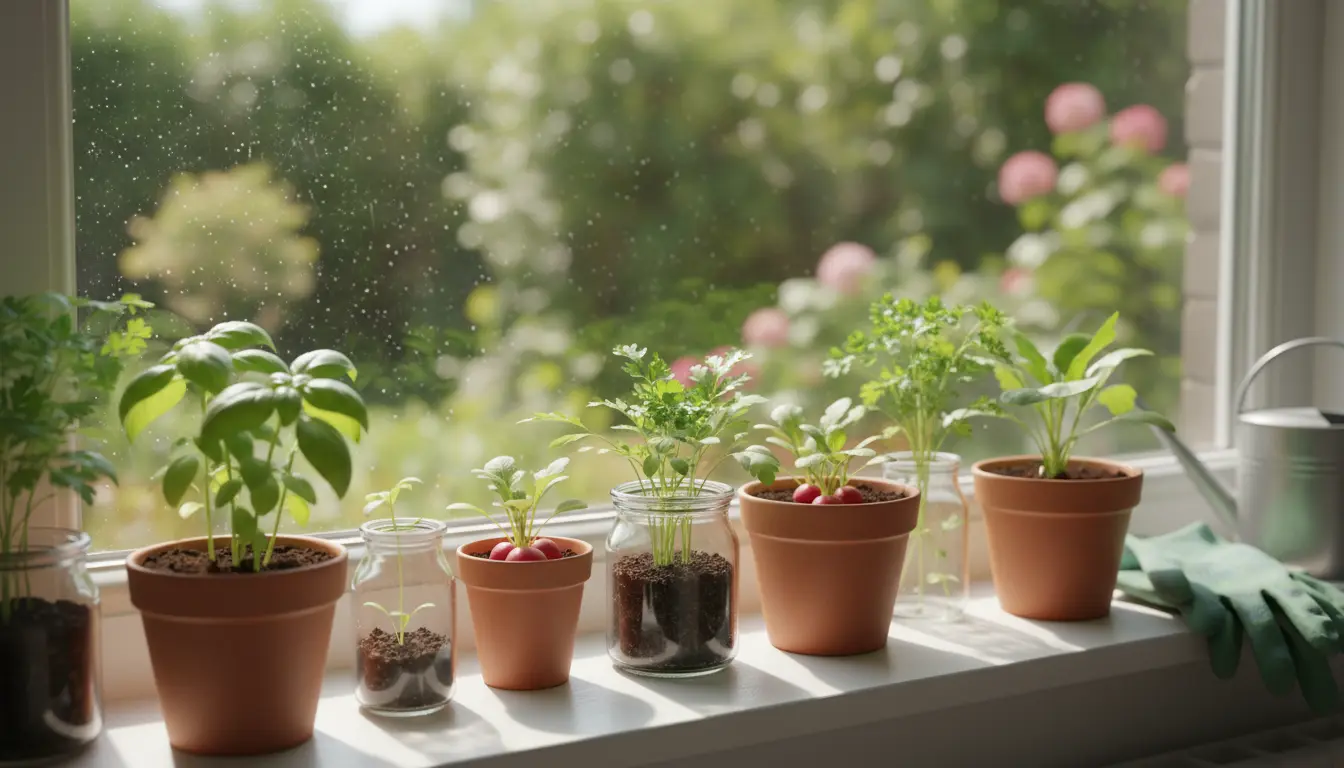
How to Start a Vegetable Garden at Home: Quick Overview
Starting a vegetable garden at home is achievable with a small budget and basic tools. This guide covers practical steps from site selection to harvest, written for beginners and busy homeowners.
Choose Location and Containers
Choose a sunny spot that gets at least 6 hours of direct sun daily for most vegetables. If you lack yard space, use containers, raised beds, or a sunny balcony.
Location tips for how to start a vegetable garden at home
- Full sun: tomatoes, peppers, eggplant.
- Partial shade: leafy greens, herbs.
- Near water: easier daily watering.
- Good drainage: avoid low spots that collect water.
Containers should be at least 12 inches deep for most vegetables. Choose pots with drainage holes and use saucers or trays to protect surfaces.
Prepare Soil and Growing Mix
Good soil is the foundation of a productive garden. If planting in the ground, loosen the soil and amend with organic matter. For containers, use a quality potting mix formulated for vegetables.
Soil components to focus on
- Loam or potting mix: provides structure and aeration.
- Compost: improves fertility and water retention.
- Slow-release organic fertilizer: supports steady growth.
- pH testing: most vegetables prefer pH 6.0–7.0.
Example mix for containers: 60% potting mix, 30% compost, 10% perlite or sand for drainage.
Pick Vegetables and Timing
Select vegetables that match your climate, space, and skill level. Start with easy, fast-growing plants if you are new to gardening.
Good beginner plants for how to start a vegetable garden at home
- Leafy greens: lettuce, spinach, arugula.
- Root crops: radishes, carrots (shallow soil).
- Nightshades: cherry tomatoes, peppers.
- Herbs: basil, parsley, chives.
Follow local planting calendars for frost dates. Use seedlings to get a head start, or sow seeds directly for easy crops like beans and radishes.
Planting and Spacing
Proper spacing prevents crowding and reduces disease risk. Read the seed packet or plant tag for recommended spacing and depth.
Basic planting rules
- Plant seeds at the depth listed on the packet.
- Thin seedlings to the recommended spacing once they grow.
- Group plants with similar water and sun needs together.
Use trellises or stakes for vining crops like peas and indeterminate tomatoes to save space and improve air circulation.
Watering and Fertilizing
Consistent watering is critical. Aim to keep soil evenly moist but not waterlogged. Morning watering reduces disease risk and evaporation.
Watering tips for how to start a vegetable garden at home
- Check soil moisture by feeling 1–2 inches below the surface.
- Water deeply and less frequently to encourage strong roots.
- Use drip irrigation or soaker hoses to save water and time.
Fertilize with a balanced organic fertilizer at planting and again during the growing season according to product directions. Heavy feeders like tomatoes may need side-dressing of compost or fertilizer midseason.
Pests, Diseases, and Maintenance
Regular inspection helps you catch problems early. Pull weeds, remove diseased leaves, and rotate crops annually to reduce pests and disease buildup.
Low-effort pest control methods
- Handpick larger pests like caterpillars and beetles.
- Use row covers to protect seedlings from insects.
- Encourage beneficial insects with diverse plantings and flowers.
Organic fungicides and proper spacing can manage common fungal problems. When in doubt, remove a small affected area and monitor recovery before applying treatments.
Harvesting and Storage
Harvest vegetables when they are at peak flavor and size. Frequent picking encourages some plants to produce more, such as beans and leafy greens.
Storage guidelines
- Leafy greens: refrigerate in a loose plastic bag for up to a week.
- Tomatoes: store at room temperature for best flavor.
- Root crops: keep in a cool, dark place; remove tops to extend life.
Small Real-World Case Study
Case study: Jenna turned a 4-foot balcony into a productive garden. She used three 12-inch deep containers, planted cherry tomatoes, basil, and lettuce, and added drip irrigation.
Results: In her first season Jenna harvested multiple tomato batches and several weeks of lettuce, using less water and minimal fertilizer. Her simple setup produced enough for weekly salads and reduced grocery trips.
Quick Checklist to Start Today
- Choose location with 6+ hours sun.
- Select containers or a bed and prepare soil.
- Pick easy vegetables suited to your climate.
- Plant, water consistently, and mulch to retain moisture.
- Inspect weekly for pests and harvest regularly.
Starting a vegetable garden at home is a step-by-step process. Begin small, learn from each season, and expand as you gain confidence. Practical care and simple routines yield steady results.