
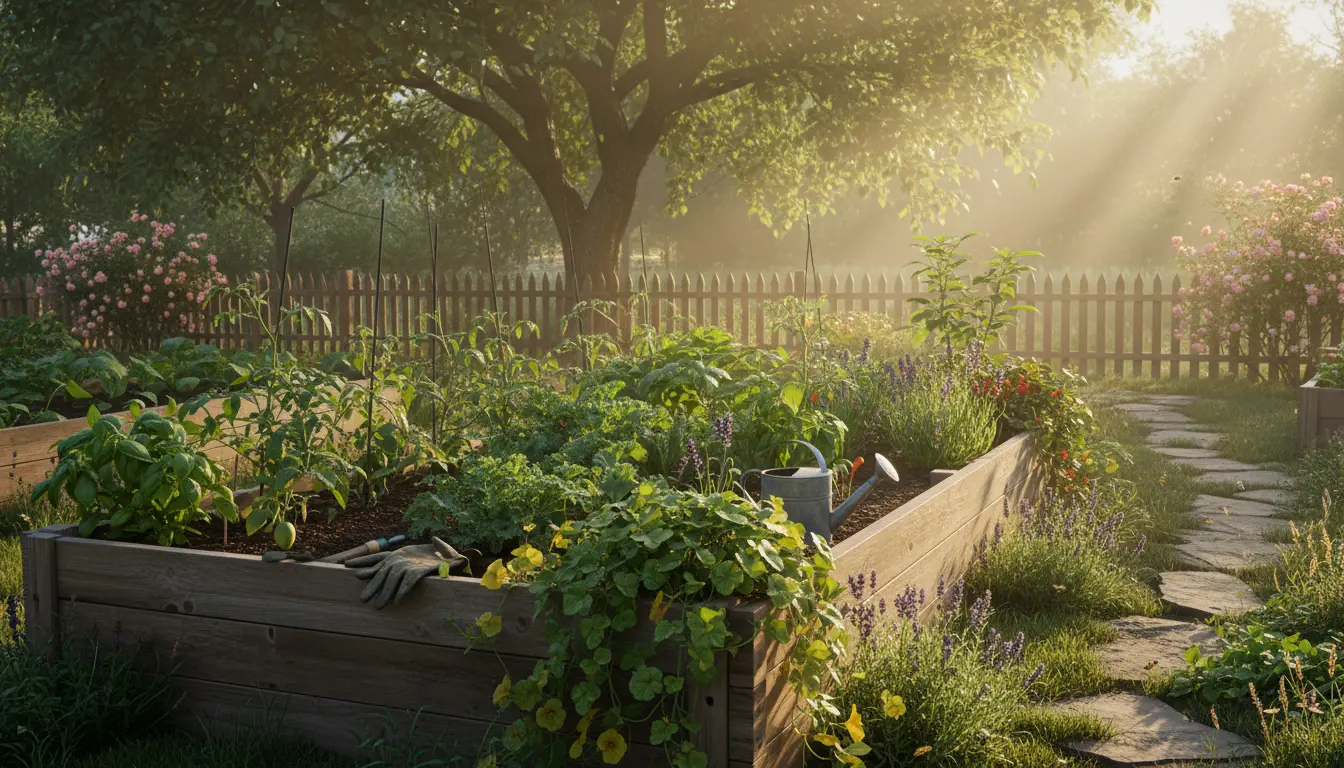
Why Learn How to Start a Vegetable Garden
Growing your own vegetables saves money, improves food quality, and connects you to nature. This guide focuses on clear, actionable steps so beginners can set up a productive garden with minimal overwhelm.
Choose the Right Location
Picking the right site is the first step when you learn how to start a vegetable garden. Most vegetables need at least six hours of direct sunlight daily.
Look for a flat area with good drainage and easy access to water. If yard space is limited, consider containers or raised beds on a balcony or patio.
Sun, Soil, and Access
Sun: Aim for 6–8 hours of sun for tomatoes, peppers, and beans. Leafy greens tolerate partial shade.
Soil: Avoid compacted ground. Test soil texture by digging and feeling if it crumbles easily.
Access: Place beds near a water source and where you can comfortably maintain them.
Prepare Soil and Beds
Healthy soil is the foundation of a successful garden. Spend time improving soil before planting for better yields and less work later.
Use raised beds or in-ground rows depending on your space and budget. Raised beds warm faster in spring and drain well.
Soil Preparation Steps
- Clear weeds and large debris from the site.
- Loosen soil to a depth of 8–12 inches with a fork or tiller.
- Amend with compost: spread 2–4 inches and mix it into the topsoil.
- Test pH if possible; most vegetables prefer pH 6.0–7.0.
Select Vegetables for Your Climate
Choose plants that match your climate and season to maximize success. Check your local frost dates and growing zone for timing.
Begin with easy crops like lettuce, radishes, bush beans, zucchini, and cherry tomatoes. They are forgiving and quick to harvest.
Planting Basics
- Sow seeds at the depth specified on the packet and space them according to instructions.
- Use seedlings for longer-season plants if your growing season is short.
- Plant in blocks rather than rows to improve pollination and yield.
Watering, Mulching, and Feeding
Consistent watering and feeding will keep plants productive. Overwatering and under-watering both cause stress and reduce yield.
Water deeply at the base of plants 1–3 times per week depending on weather. Adjust frequency in hot, dry periods.
Practical Care Tips
- Mulch with straw or wood chips to retain moisture and suppress weeds.
- Fertilize with balanced organic fertilizer or side-dress with compost midseason.
- Monitor for pests and remove damaged leaves promptly to prevent spread.
Simple Maintenance Schedule
Consistency is more important than perfection. Use a short weekly routine to keep the garden healthy and productive.
- Weekly: Check soil moisture, pull obvious weeds, inspect for pests.
- Biweekly: Harvest ripe produce, prune overcrowded growth, add mulch if needed.
- Monthly: Apply compost or a light organic feed during the growing season.
Harvesting and Storing Your Produce
Harvest vegetables when they are young and tender for the best flavor. Frequent harvesting often encourages more production.
Store root crops in a cool, dark place and use tender greens quickly. Consider freezing or pickling excess produce to reduce waste.
Planting a mix of flowers and vegetables can attract beneficial insects that reduce pests and improve pollination.
Common Problems and Fixes
New gardeners often face predictable problems. Address issues early to avoid losing plants or yield.
- Yellowing leaves: Check for overwatering or nutrient deficiency.
- Pests: Handpick, use row covers, or apply insecticidal soap for soft-bodied pests.
- Poor germination: Ensure seed depth and soil contact; keep soil consistently moist until seedlings emerge.
Case Study: A Small Balcony Garden
Sarah had a 6-foot balcony and wanted fresh herbs and salad greens. She used three 12-inch containers and one raised half-barrel.
By choosing lettuce, basil, and cherry tomatoes and following a weekly watering routine, she harvested salad greens in six weeks and tomatoes by mid-summer. Simple soil mix and regular harvesting kept her plants productive all season.
Quick Checklist Before You Begin
- Check sunlight and water access for your chosen spot.
- Prepare or buy a good potting mix or compost-amended soil.
- Pick 3–6 easy vegetables suited to your climate.
- Create a simple maintenance plan and calendar for planting and harvesting.
Learning how to start a vegetable garden is mainly about planning, soil care, and consistent, small actions. Start small, learn from each season, and expand as you gain confidence.